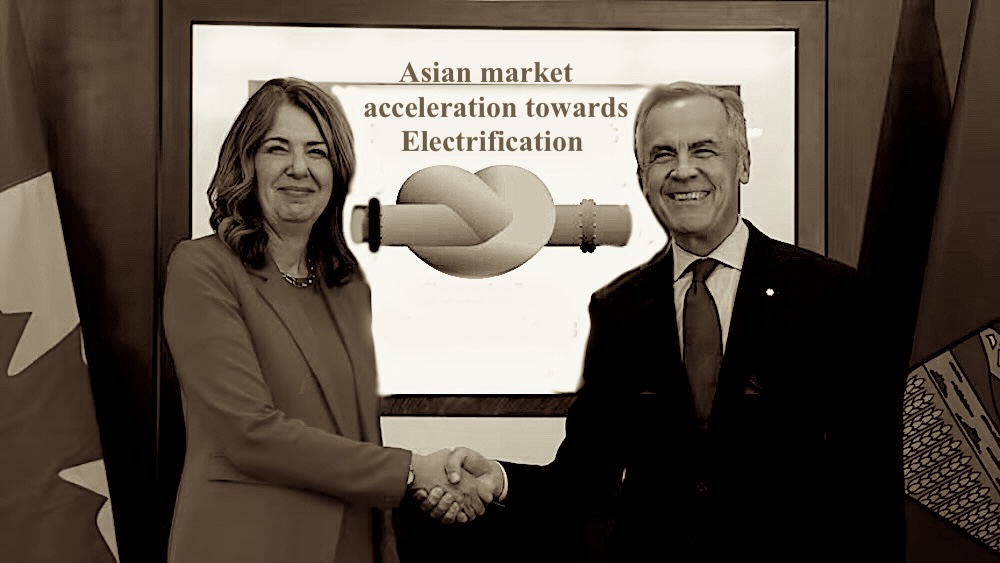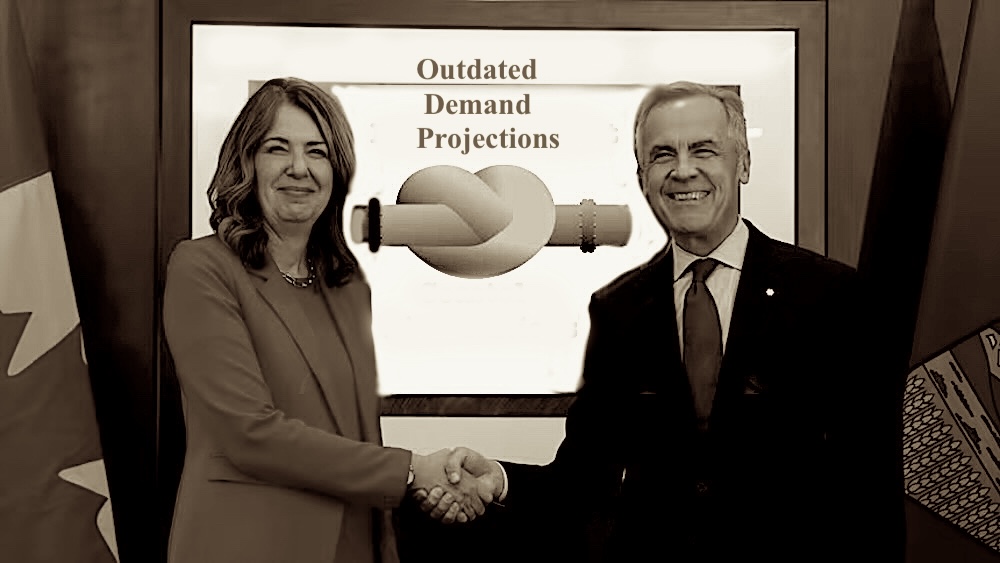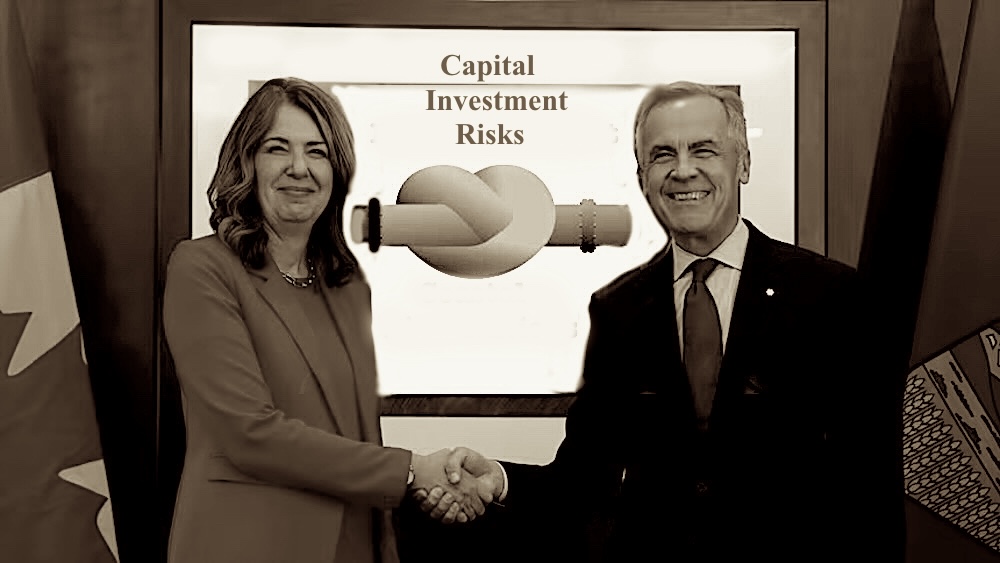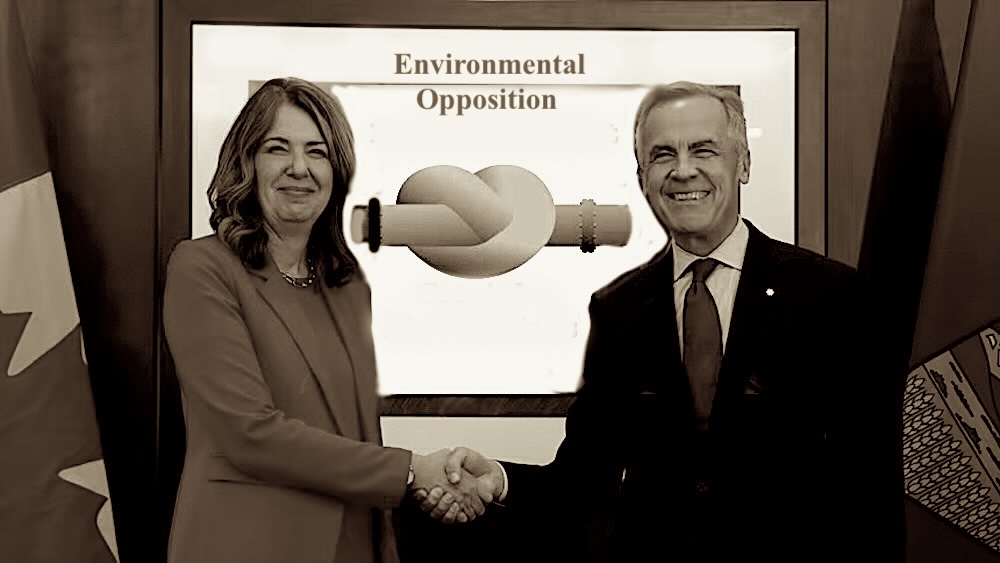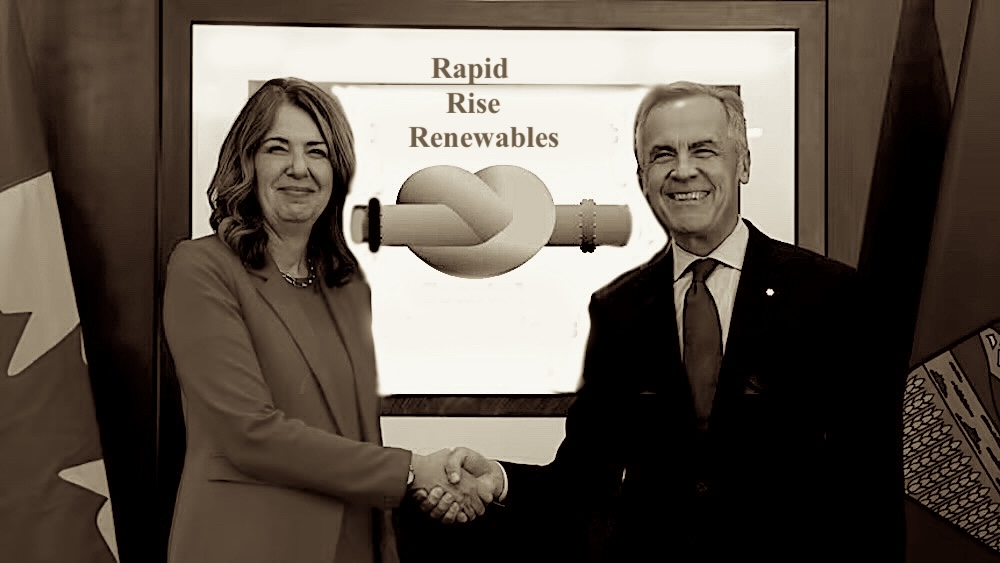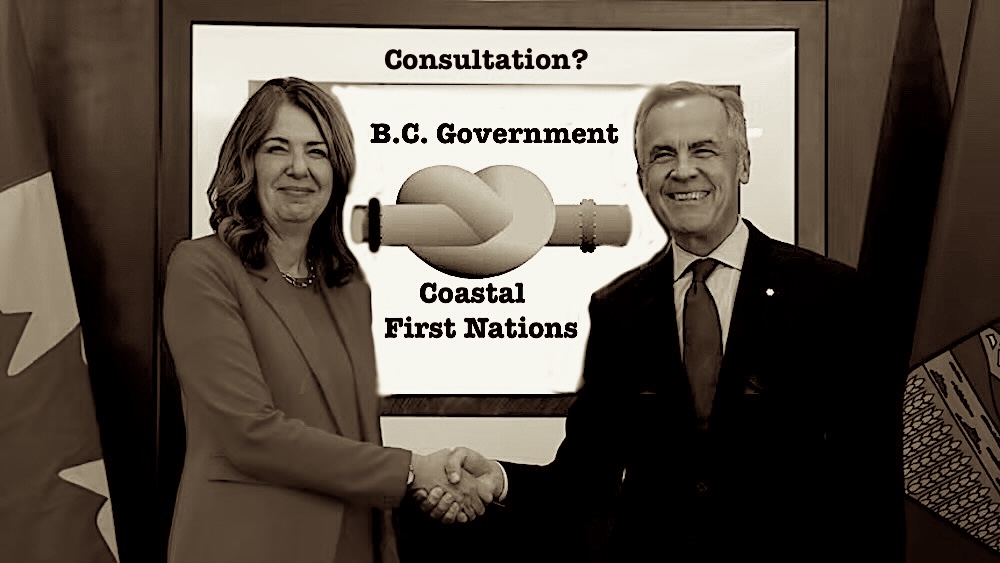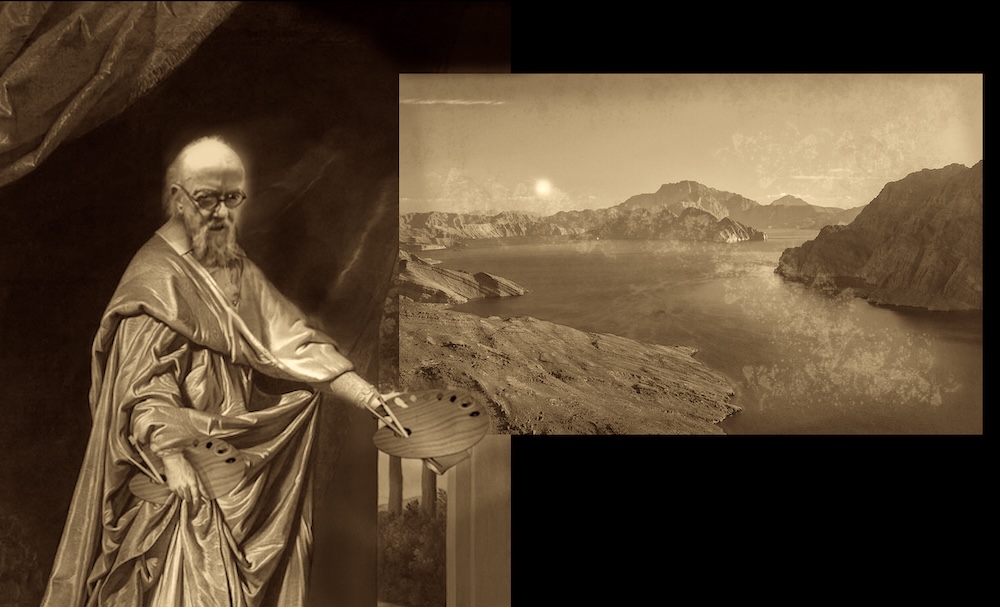
Something to look forward to…

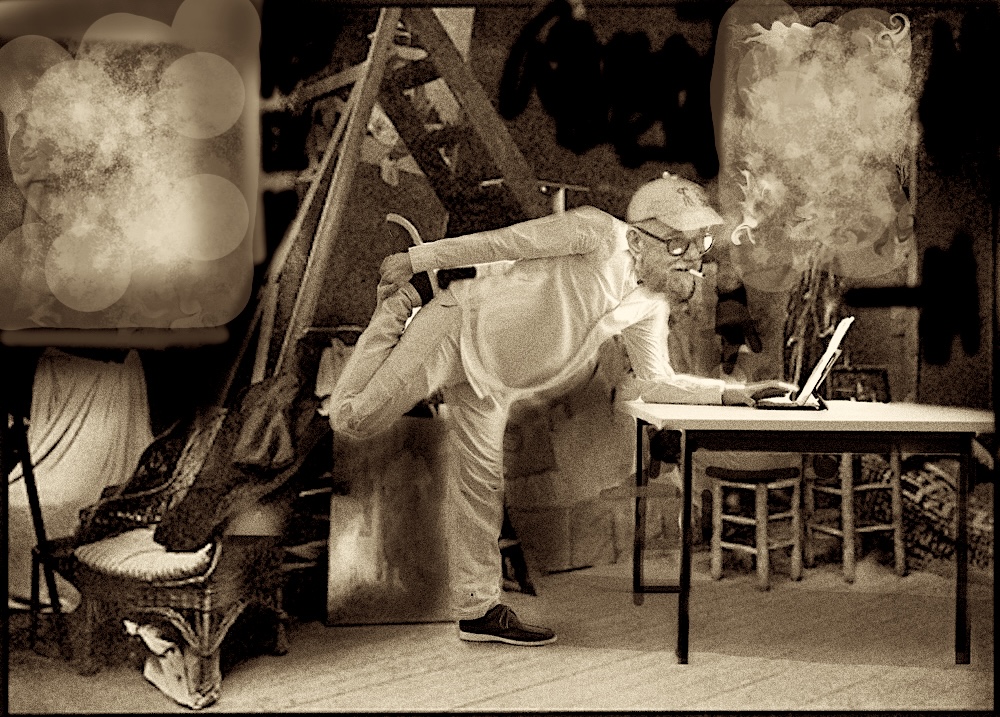
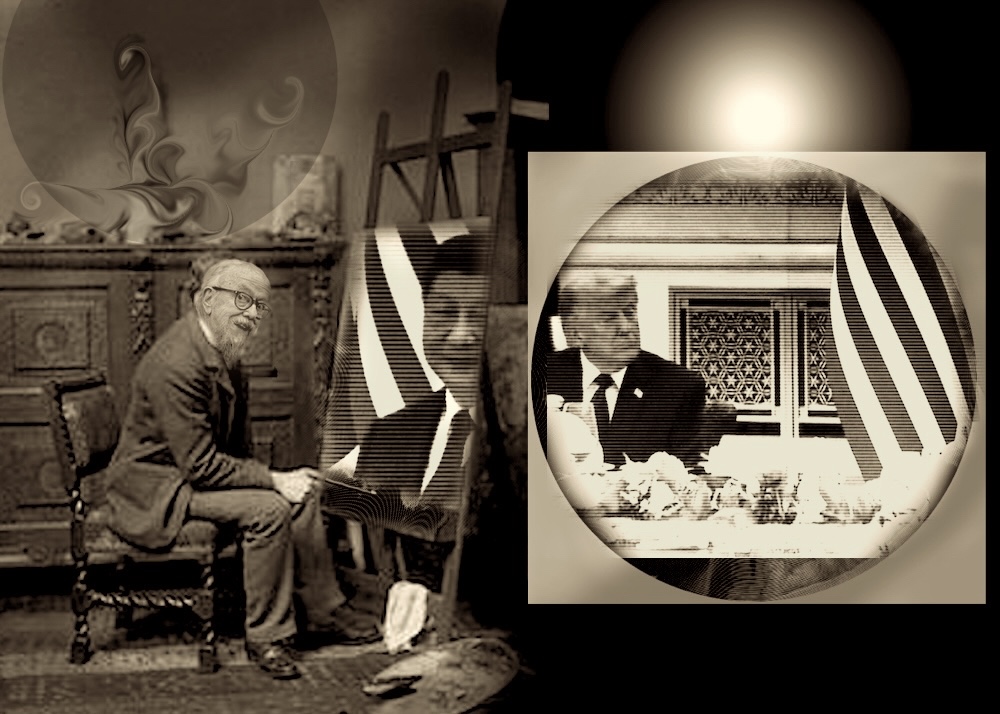
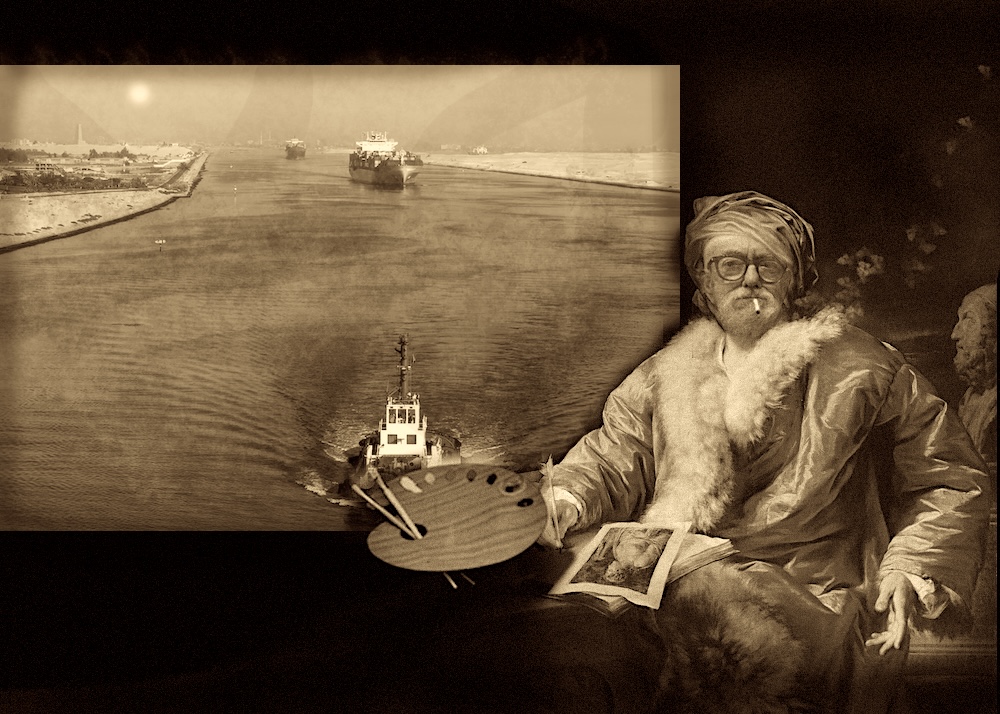
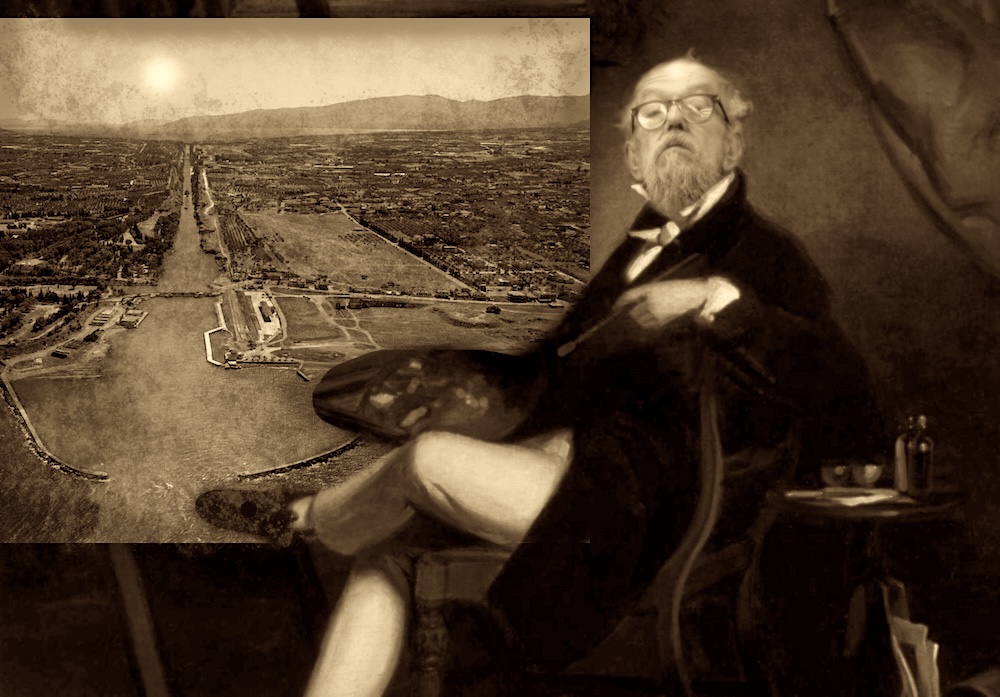
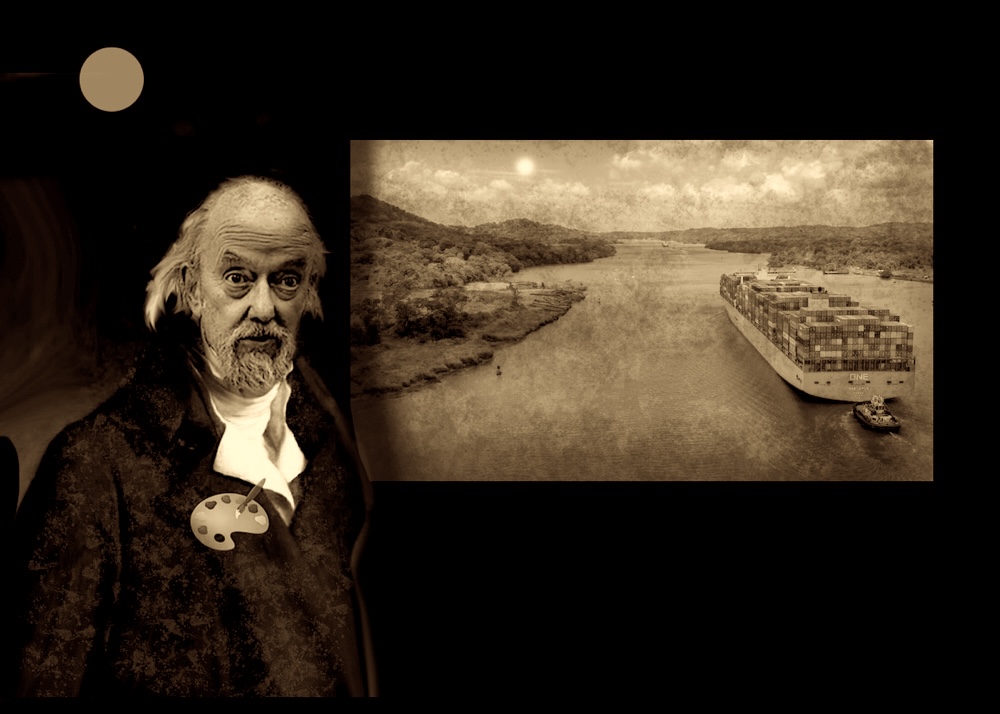
Court Painter with landscape “The Straight of Hormuz”

The biggest risk may no longer be escalation.

The biggest risk may be normalization — of instability itself.

For three months, most analysis has focused on military operations, ceasefires, negotiations, and whether a deal is finally within reach.

But what if the more important story is what happens as negotiations continue?

Instability itself may be becoming a source of geopolitical power — that could keep pressure on oil prices, shipping, inflation, and global politics long after any agreement is signed.

Prof Robert Pape from Escalation Trap

https://open.substack.com/pub/escalationtrap/p/the-trap-gets-worse?r=1sx7vz&utm_campaign=post&utm_medium=email

The central issue is no longer whether escalation occurs.

The central issue is whether instability becomes self-sustaining.

If instability continues generating leverage, shaping negotiations, fracturing alliances, influencing energy markets, and creating recurring opportunities for military action, then the future of the Iran war will not be defined primarily by whether negotiations succeed or fail.

It will be defined by whether instability itself becomes durable.

If that happens, the most important legacy of this war will not be the bombing campaign, the negotiations, or even the confrontation over Iran’s nuclear program.

It will be the emergence of a new strategic reality.

A world in which instability itself becomes the new normal — because it is increasingly a source of geopolitical power.

And if that world emerges, the Age of Instability will outlast the war that created it.

Excerpted from Prof Pape’s article.
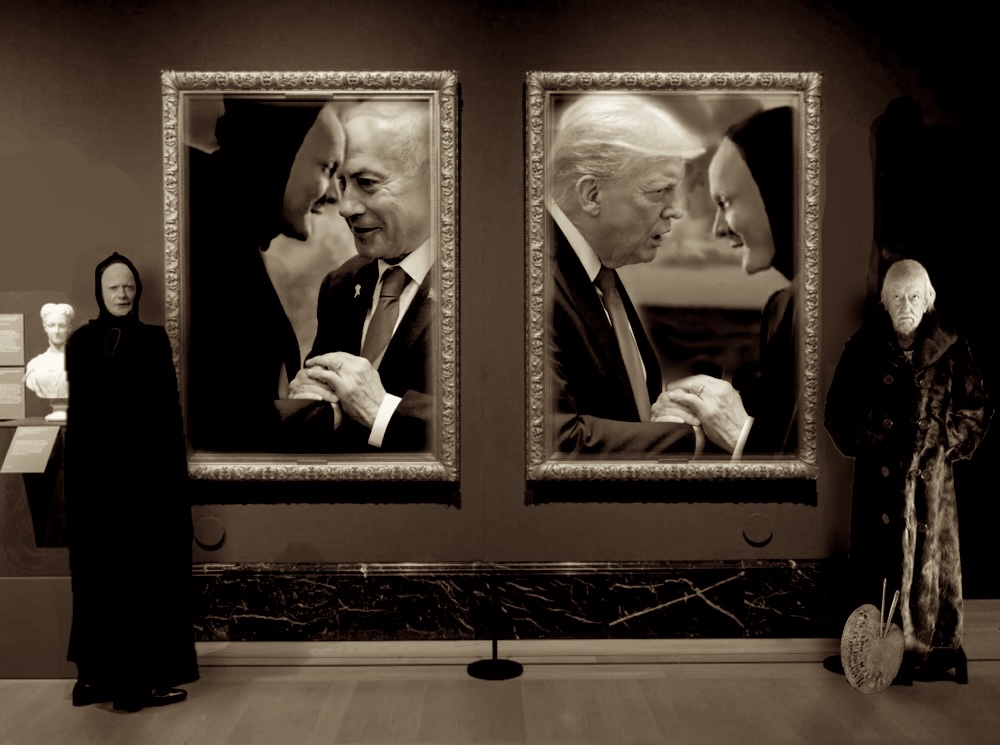
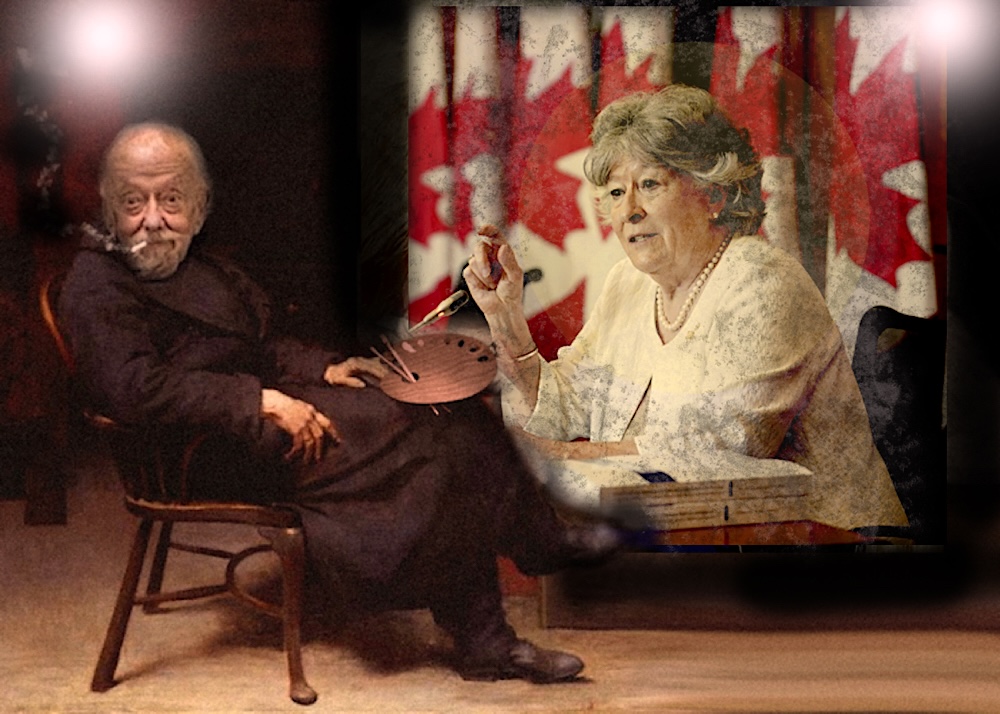
Court Painter demonstrating normalization of instability in the studio.
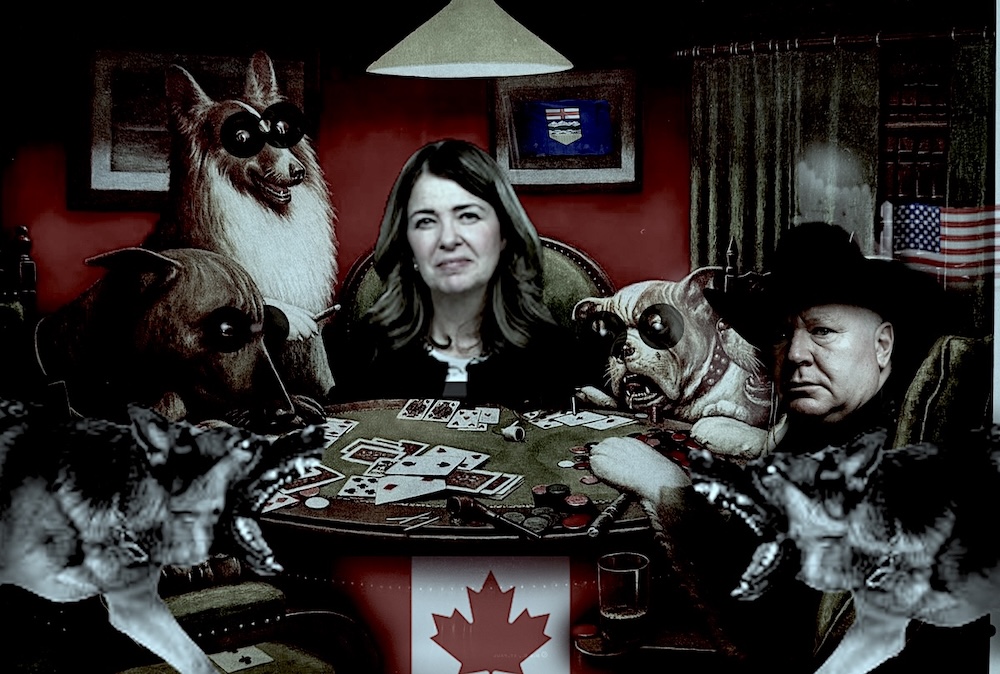


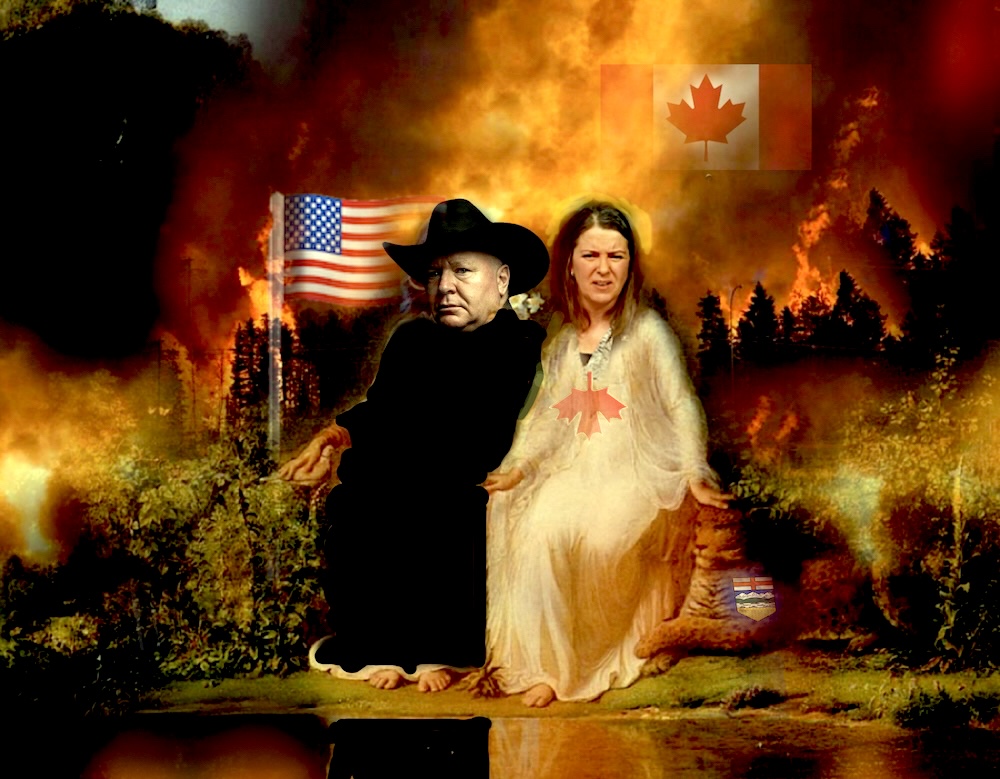
know when to hold ’em, know when to fold ’em”…

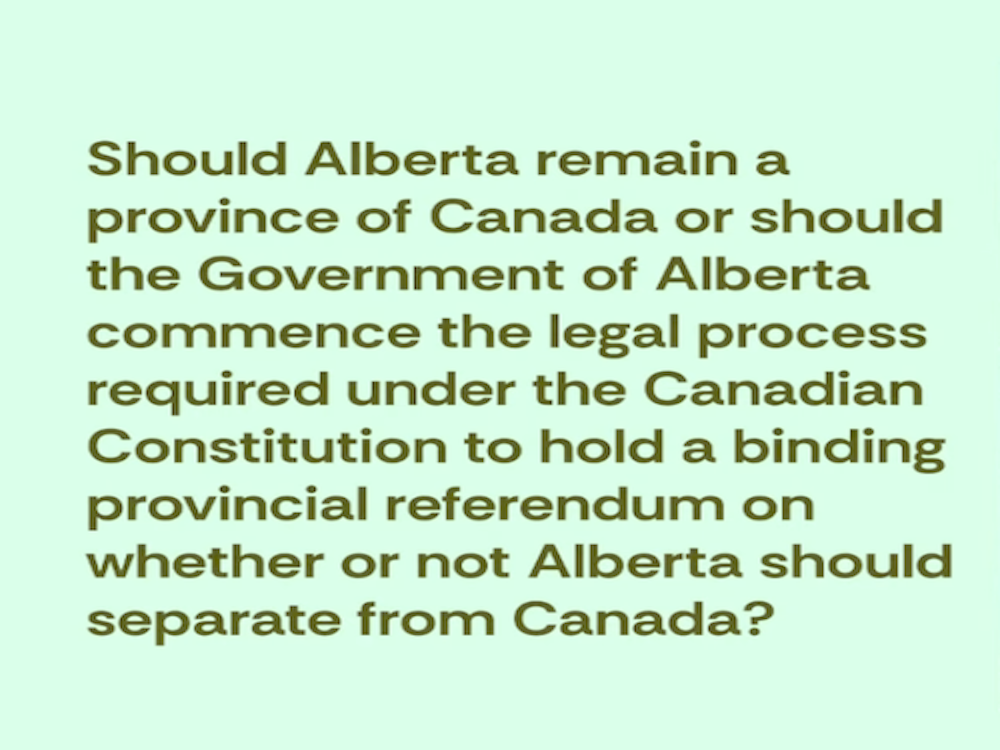
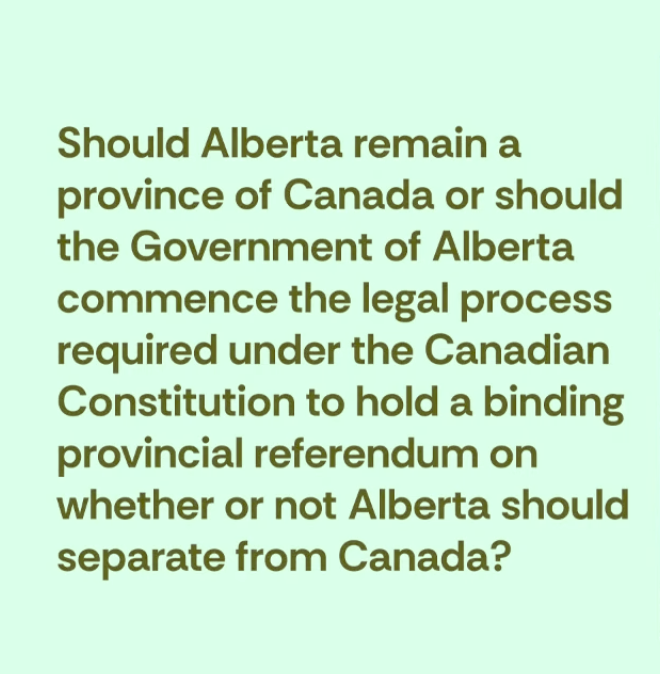
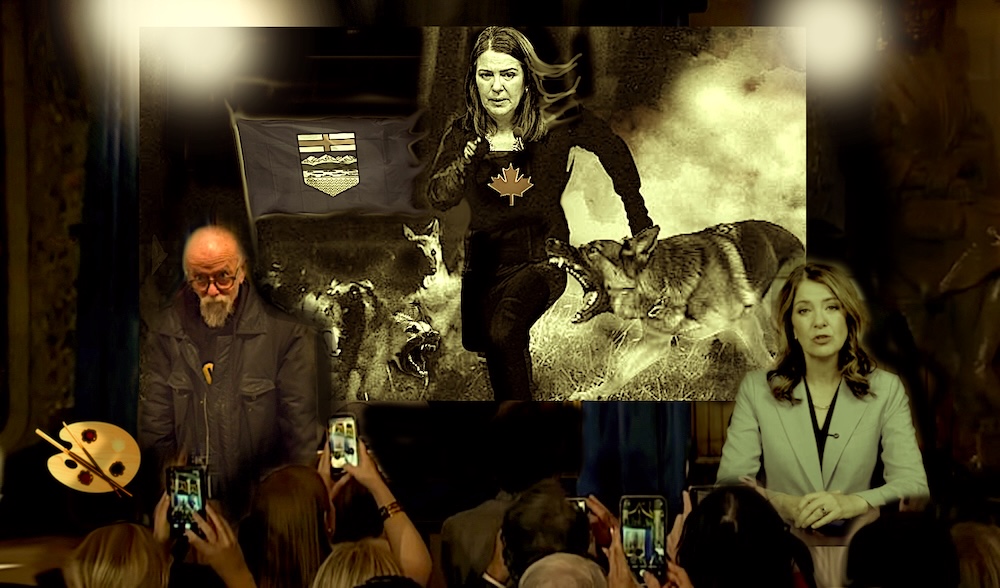
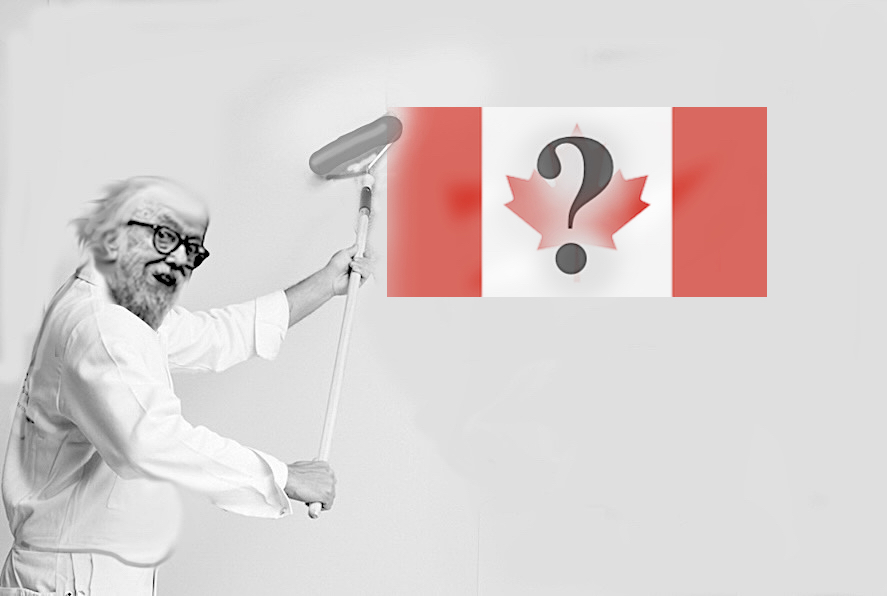
  • Alberta separatism has Mark Carney saying what’s on his mind
  • Carney needs to stay out of the separatism debate
  • Danielle Smith’s referendum gamble brings Alberta to the brink — is Canada ready?
  • Prime Minister Carney waves the Clarity Act over Smith’s ‘dangerous bluff’
  • Danielle Smith plays both sides of the separatist coin
  • Carney knows from experience separatism can get very real if Alberta is mishandled
  • Kenney paints a horrifying doomsday picture of an independent Alberta
  • Smith backs federalism. Her party won’t. Sure path to big trouble in UCP
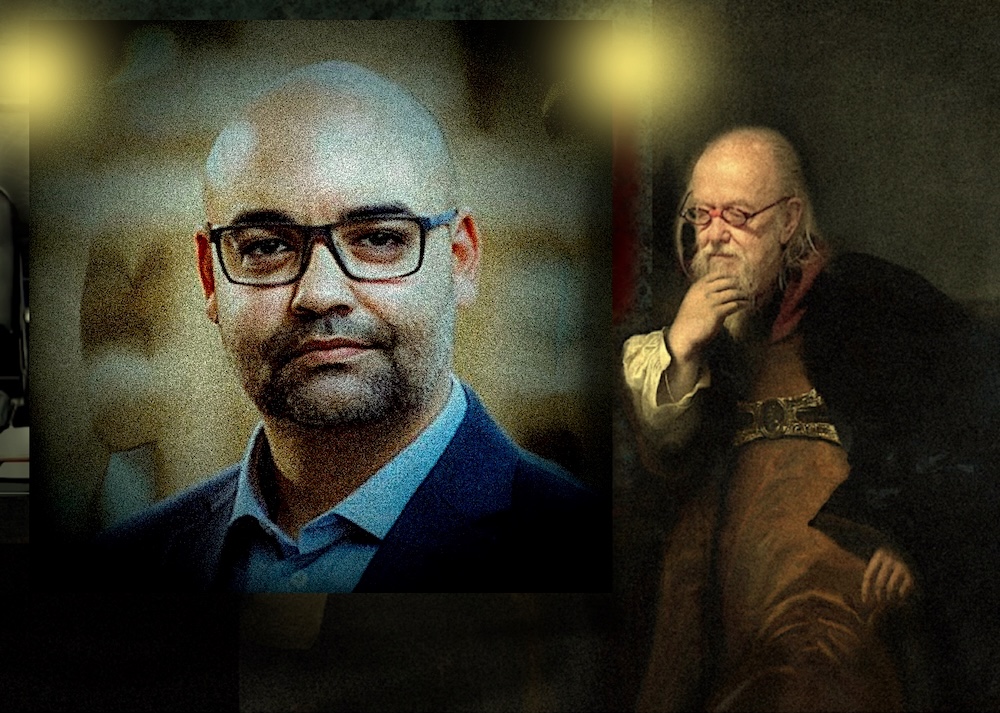
  • Danielle Smith is brewing Canada’s own Brexit problem
  • With her “maybe” option, Danielle Smith could deliver an endless tax on Alberta’s economy

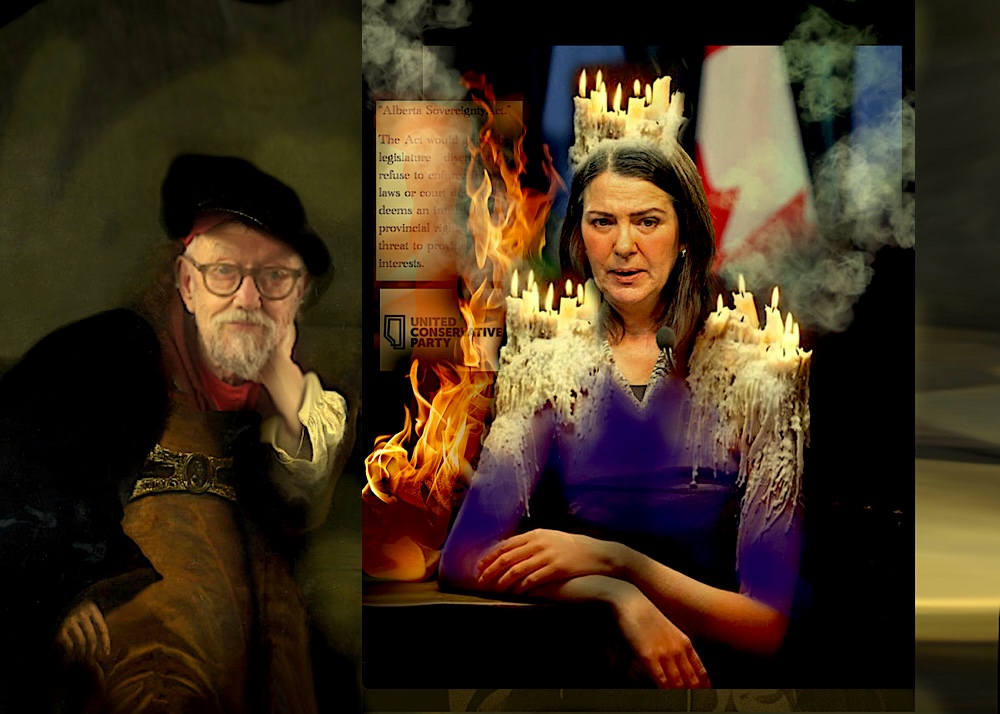
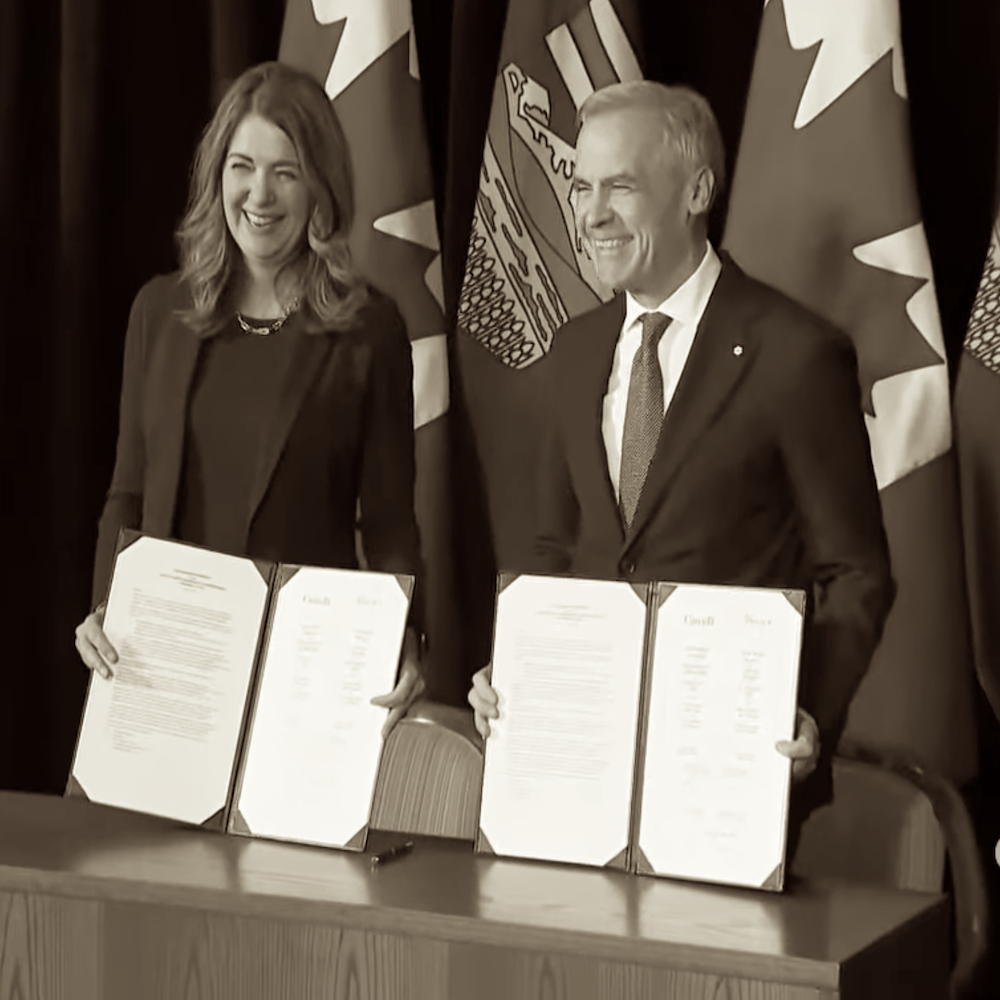
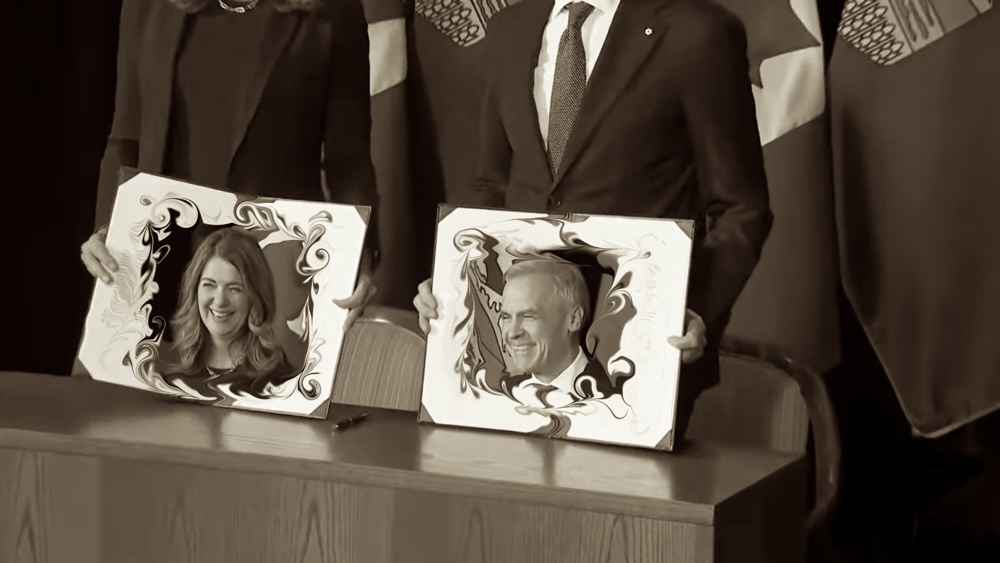
Behind the optics…

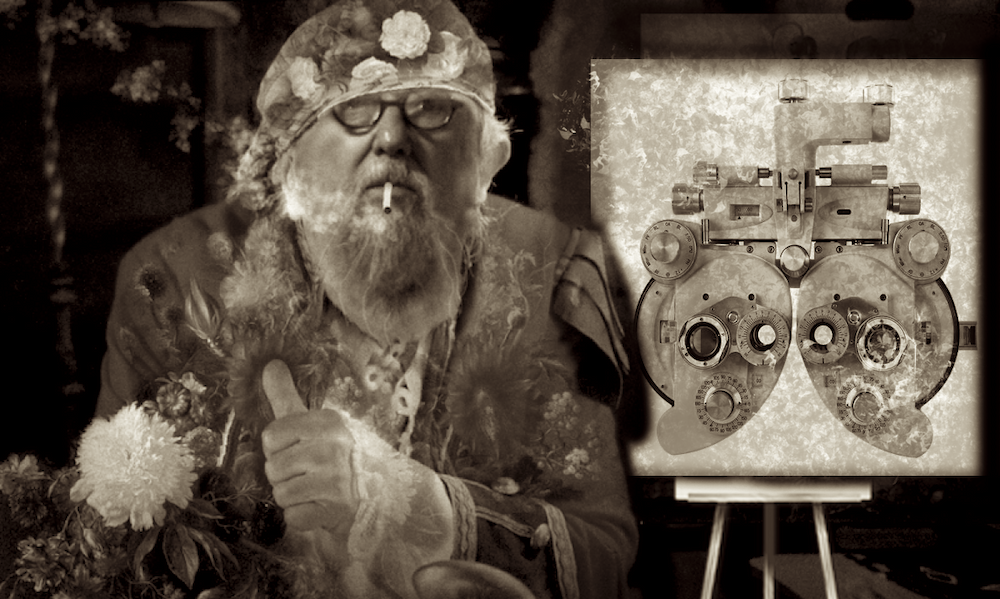
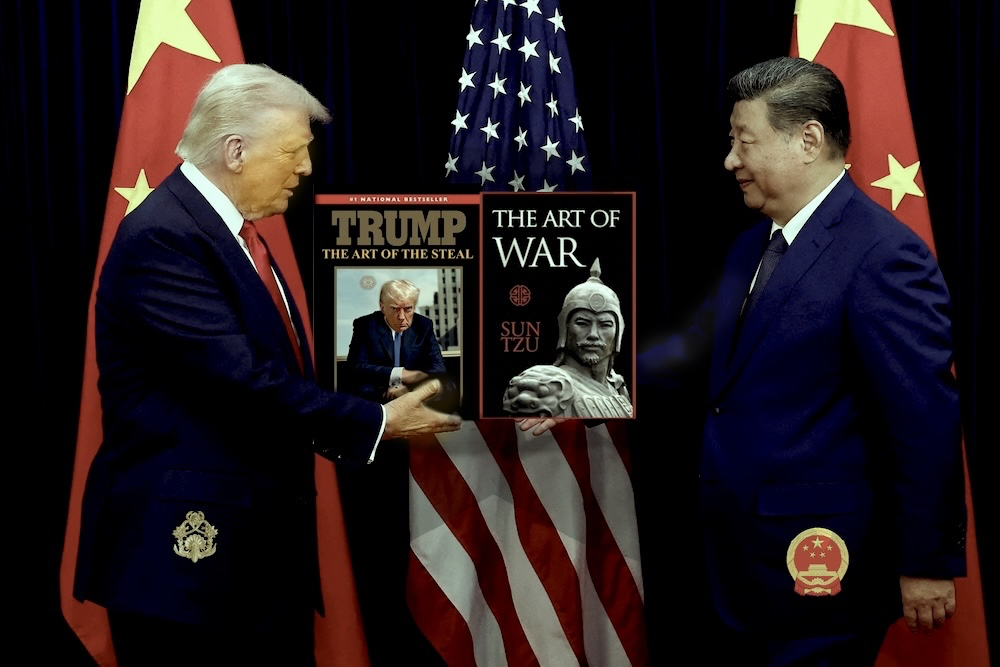
Court Painter has called upon a manual phoropter to decipher the optics of the announcement.

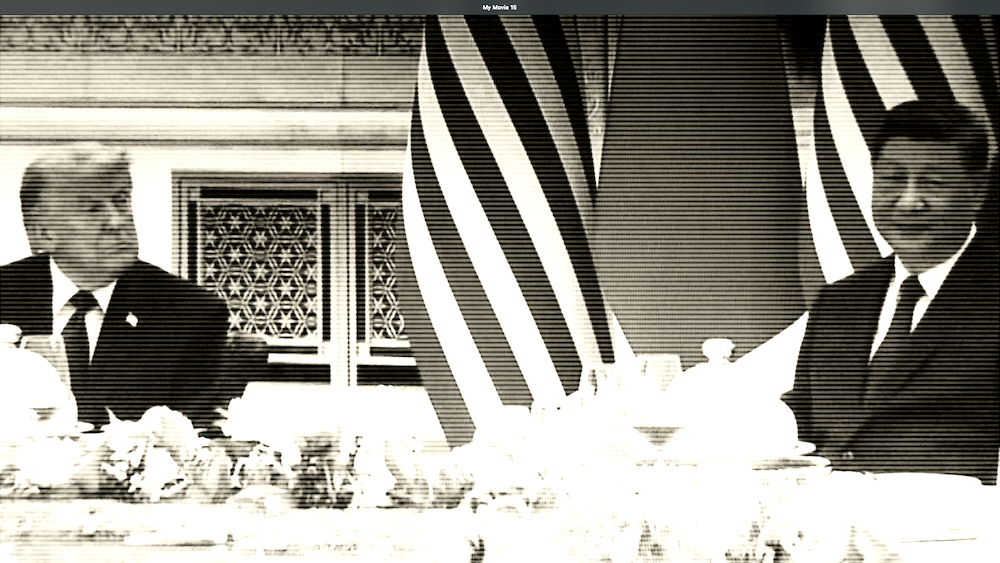
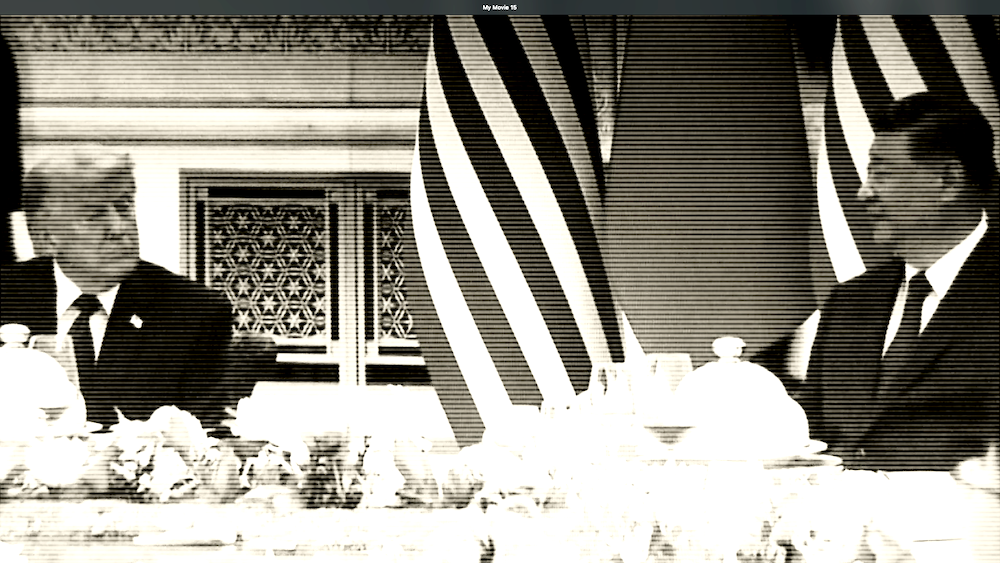
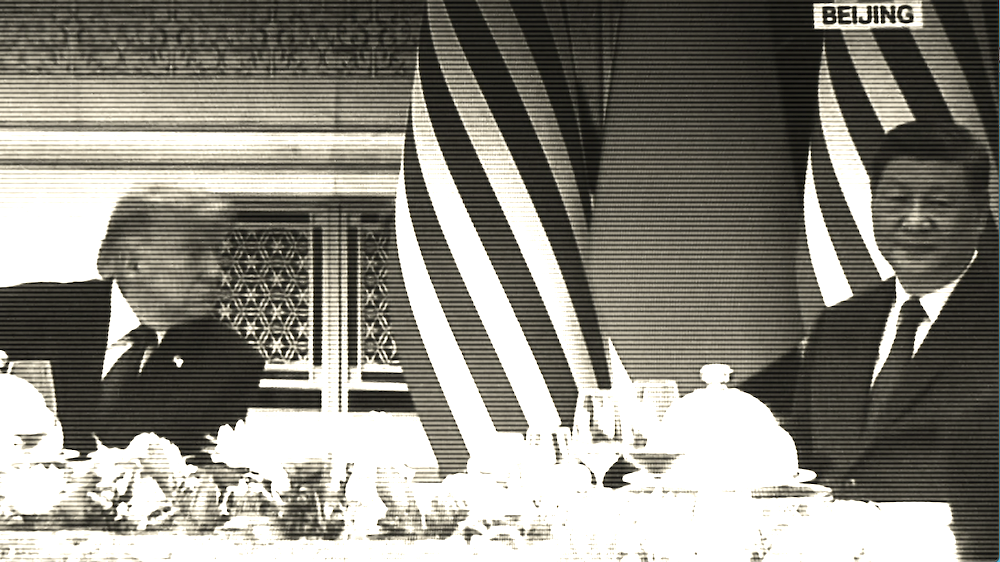
Presidental Dining…

choke points…

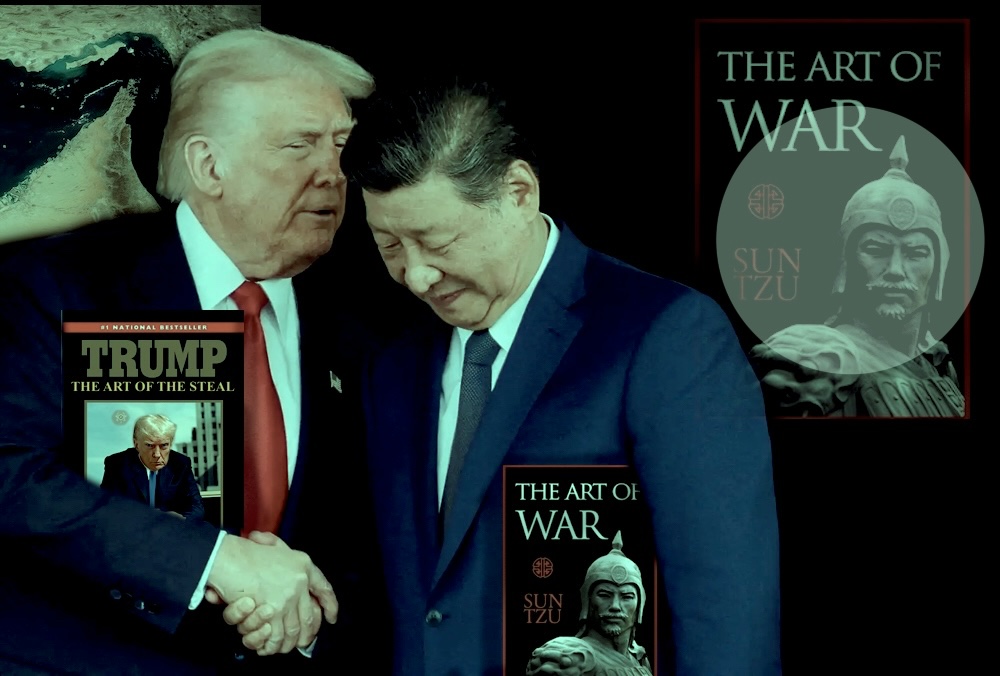
The Shawinigan Handshake in Canadian folklore is considered a chokehold at a chokepoint. Former PM Chretien demonstrates the manoeuvre on a southern neighbour.

Definition: A chokepoint is a narrow, strategic passage—such as a strait, valley, or bridge—that restricts movement and forces traffic (military or commercial) to pass through a single, congested area. It serves as a bottleneck that, if controlled or blocked, can halt flow, create hazards, or provide significant tactical advantages in warfare and geopolitics.

Approximately 80% of global trade by volume moves by ship, much of it passing through narrow, high-traffic waterways known as maritime chokepoints. Disruption at any of these locations—whether from conflict, accidents, or environmental factors—can cause immediate spikes in energy prices and massive delays in global supply chains. Source:Al Jazeera +4

The Most Critical Chokepoints (2026 Status)

Chokepoint Primary SignificanceCurrent Status (April 2026)
Strait of HormuzWorld’s most vital energy artery; ~20%–30% of global oil flows here.Highly Volatile: Traffic collapsed in early April due to conflict. Iran has issued warnings against passage; US naval presence is active.
Strait of MalaccaAsia’s “trade superhighway”; handles ~40% of world trade and 80% of China’s energy imports.Operational but Congested: Still the world’s busiest natural strait. Subject to piracy risks and regional geopolitical tension.
Suez CanalArtificial shortcut connecting Asia and Europe, shaving ~8,900 km off the trip around Africa.Strained: Vulnerable to spillover from regional Middle East conflict. Significant container shipping has shifted to alternative routes.
Bab el-MandebGateway to the Red Sea and Suez Canal; crucial for trade between Europe and the Indian Ocean.High Risk: Frequent drone and missile attacks by Houthi forces have forced major shipping lines to reroute.
Panama CanalCritical link between the Atlantic and Pacific, handling 40% of all US container traffic.Operational: Managing environmental challenges like drought, which periodically restricts transit slots and increases costs

Independent Public Inquiry demand…

Click Link for post

https://open.substack.com/pub/drjaredwesley/p/momentum-toward-a-public-inquiry?r=1sx7vz&utm_campaign=post-expanded-share&utm_medium=web

  • SOURCE:
    Jared Wesley
    is professor of political science and associate dean (Graduate) in the Faculty of Arts at the University of Alberta.
  • May 7th 2026

Thirty-eight (38) academics from across the province joined me in publishing this open letter earlier this morning. I invite you to read and share it widely.

As we argue:

As I argued earlier, police and Elections Alberta investigations are underway. They are necessary. But they are not enough.

GG…