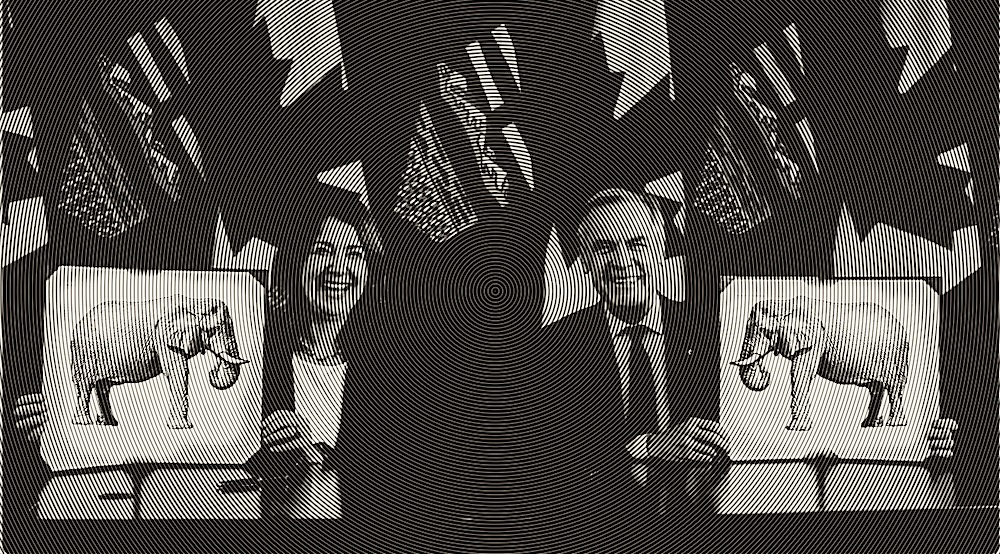
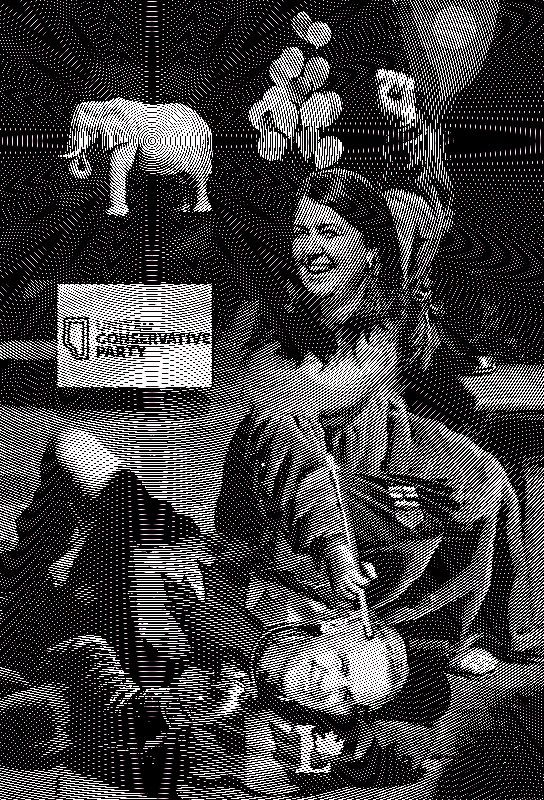
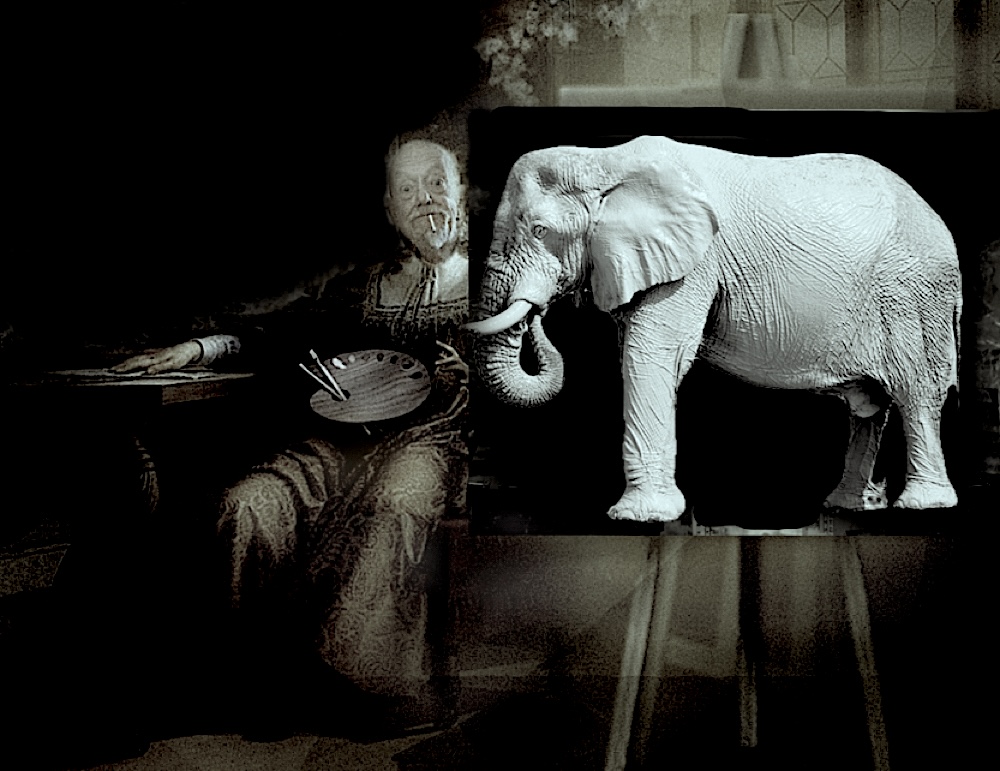
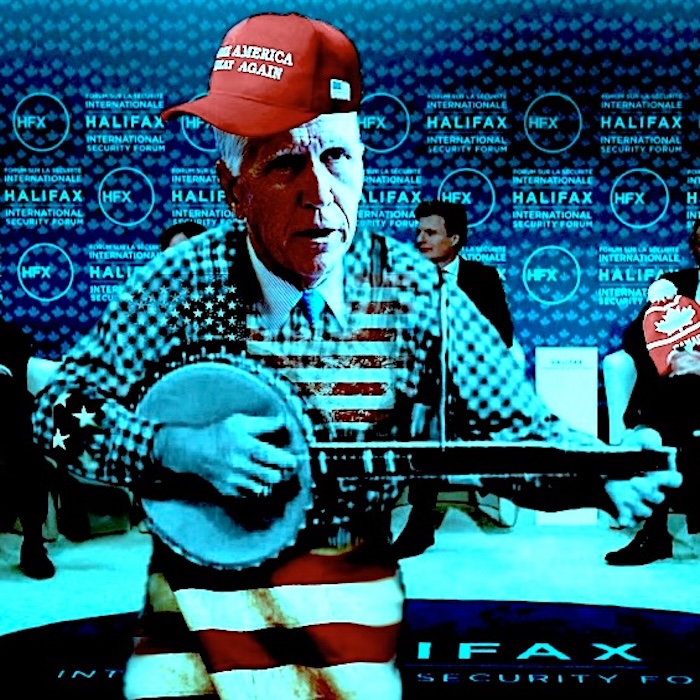
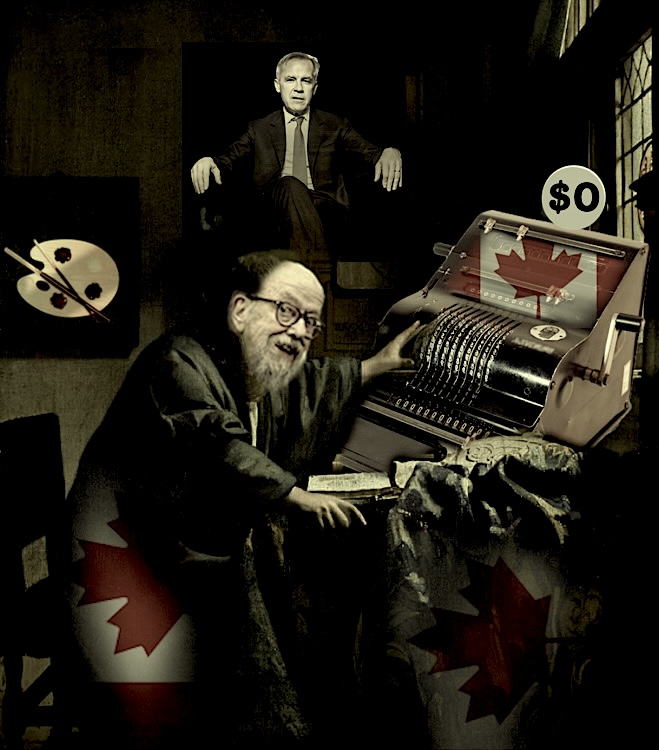
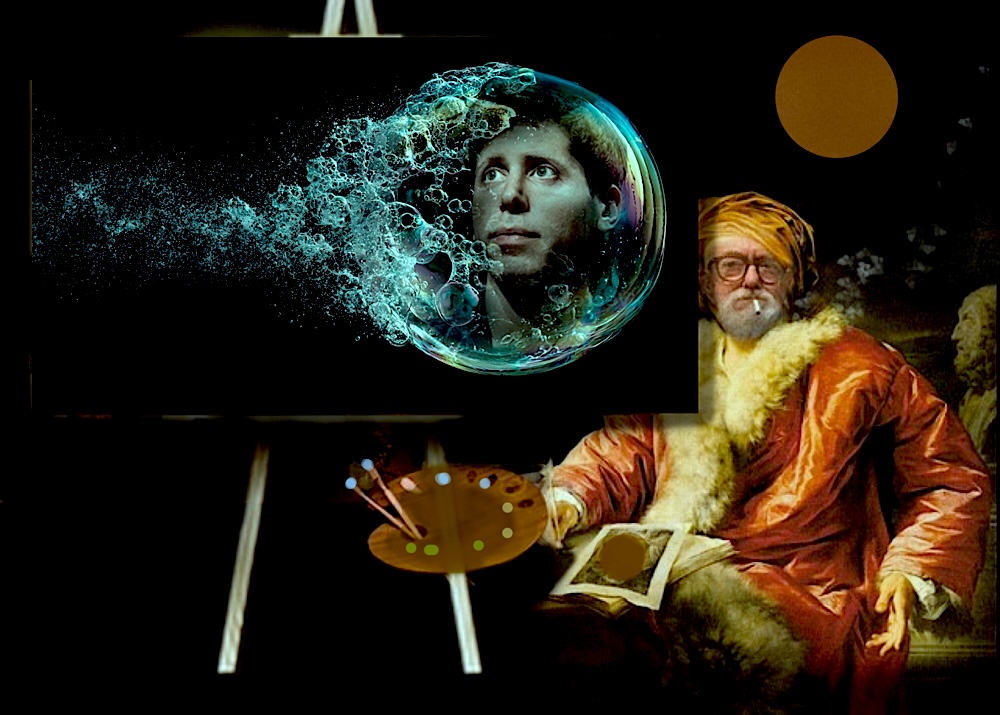
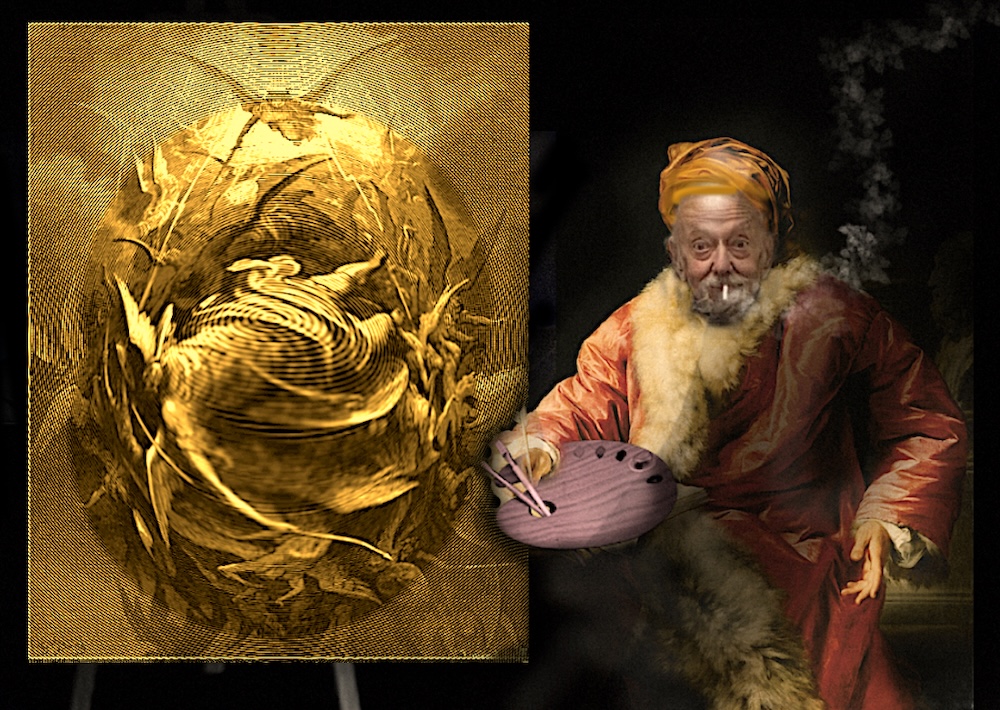
Court Painter seems obsessed with painting more white elephants .
Meanwhile his trusty Press Attache AHM read and recommends this article by Max Fawcett where he sets up the premise that Prime Minister Carney knows the pipeline will never get built while achieving concessions that help advance his government’s climate agenda far more than anything the previous federal government managed to achieve in, and with, Alberta.
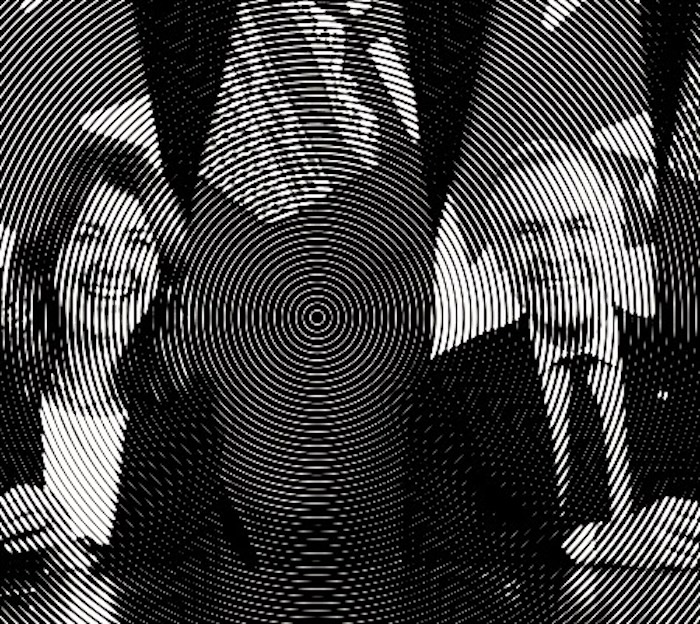
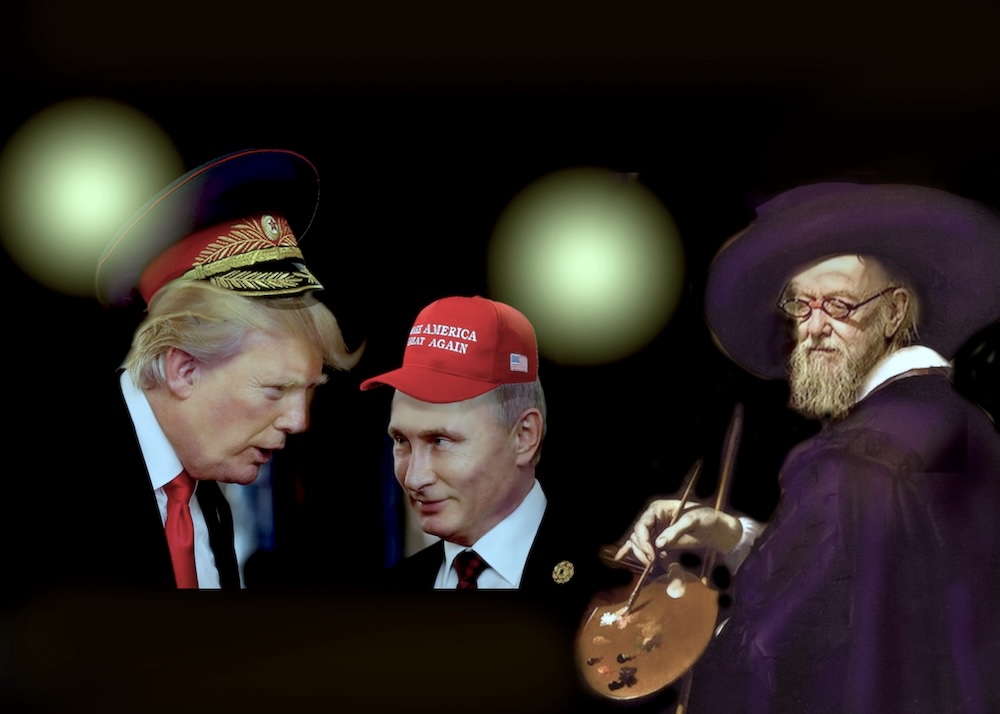
Premier Smith & Prime Minister Carney appear to tussle in the elephant room.
Click link for National Observer November 27th 2025article by Max Fawcett
‘This MOU strikes me as one giant wink to the climate community — one that commits Ottawa to supporting an oil pipeline Carney knows will never get built.
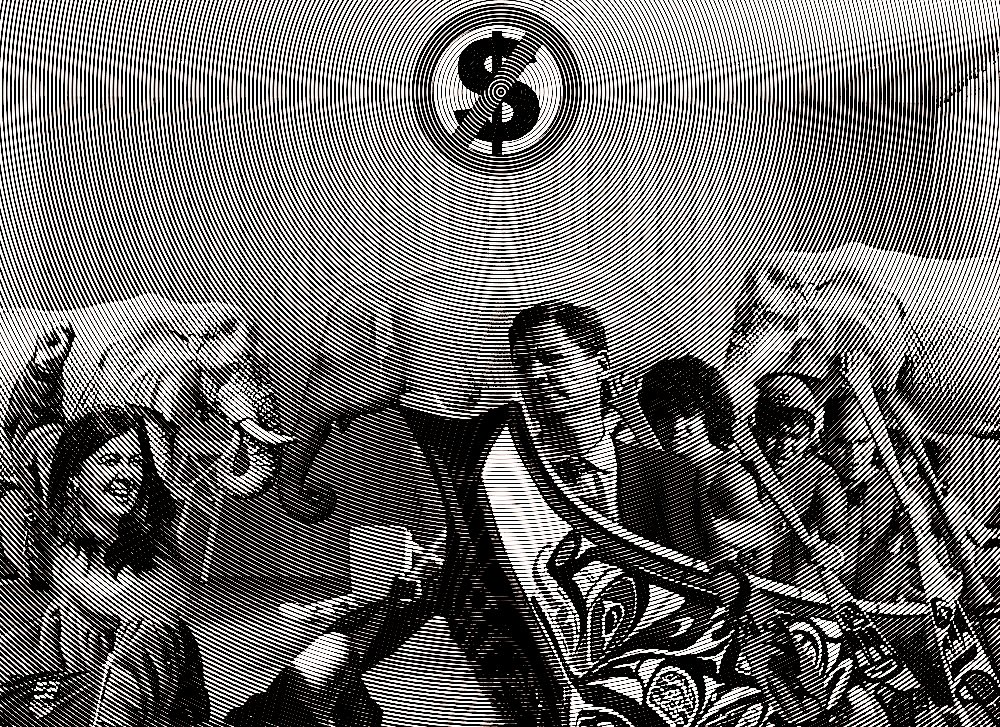
That’s because Smith and whoever steps up as its proponent will still need to negotiate with impacted First Nations.
They would have to negotiate with BC Premier David Eby, who will be looking ahead to the next election and the prospect of rallying his base around fighting back against another Alberta oil pipeline.
And, most importantly, they will have to convince the oil and gas industry to invest in the sort of high-cost growth projects that would be needed to fill the pipeline.
That isn’t going to happen.
Court Painter’s pictorial rendering of the reasons an oil pipeline will not get built.
The oil and gas industry may have deliberately cultivated a reputation for itself as a place defined by risk-taking and swagger, but today’s oil and gas sector is run by glorified spreadsheet jockeys who consistently shy away from even the smallest quantum of uncertainty.
And while they might support the political ambitions of Premier Smith and the UCP, but they have a legal fiduciary duty to their shareholders — one that requires them to seriously assess the prospect of things like peak oil demand and its impact on any new projects they might want to build.
The MOU, then, is textbook Carney. By telling a political adversary what they wanted to hear, he’s gotten them to agree to something he needs.
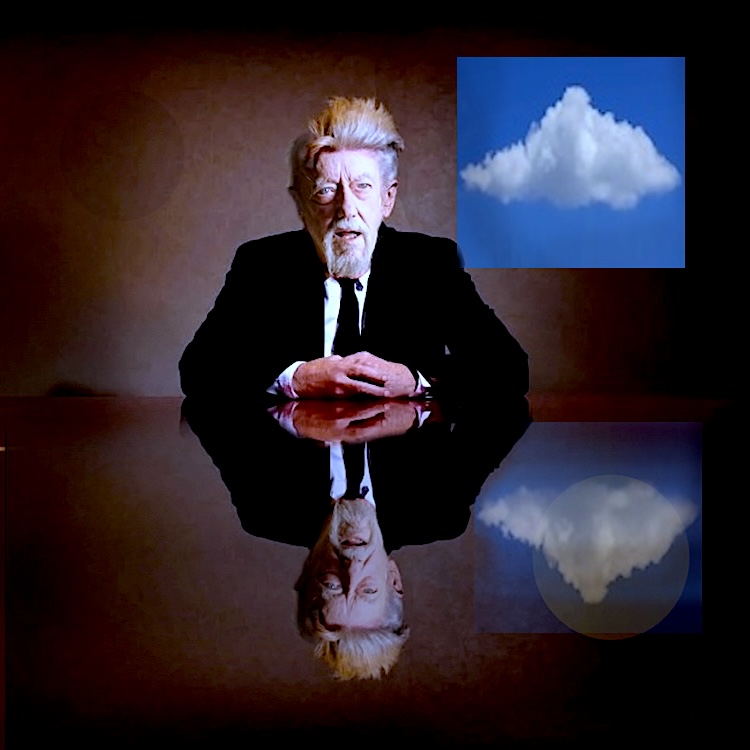
A white elephant
He’s effectively daring Danielle Smith to do the work required to get her coveted pipeline built, knowing full well she can’t actually do it.
But Smith’s concessions help advance his government’s climate agenda far more than anything the previous federal government managed to achieve in, and with, Alberta.
For a guy who wasn’t supposed to be a natural politician, he’s turning out to be pretty good at it — better, even, than the one he replaced. ‘
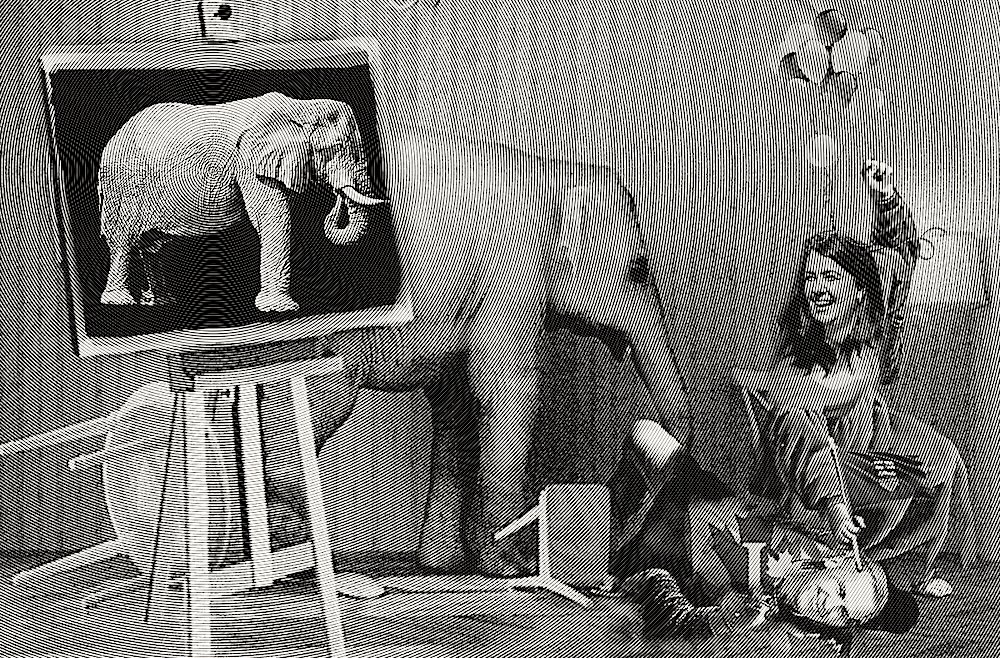
Alberta Premier Smith strikes a triumphant pose over a smiling PM. Carney
Court Painter resting after his prodigious pachyderm painting production.
Court Painter tried as best he could to follow the recent news of Prime Minister Mark Carney and Alberta Premier Danielle Smith signing a major new energy co-operation agreement on Thursday, outlining the conditions that need to be met for a new oil pipeline to the Pacific to proceed.
However, Court Painter was distracted by a major commission for The Sourpuss Sceptic Society, which includes two paintings featuring a beautiful white elephant. The society is expected to eventually gift these works individually to the Government of Alberta and the Government of Canada for a substantial tax write-off.
The Gilded Burden So let this serve as warning, all beware The venture that doth charm with surface show: For often hidden costs and ceaseless care Are all the fruit that such fine seeds will grow. Then shun this prize whose lustre is but gloss, And count thy greatest gain to bear no loss.
Author: Dee P. S. Eek (DeepSeek)
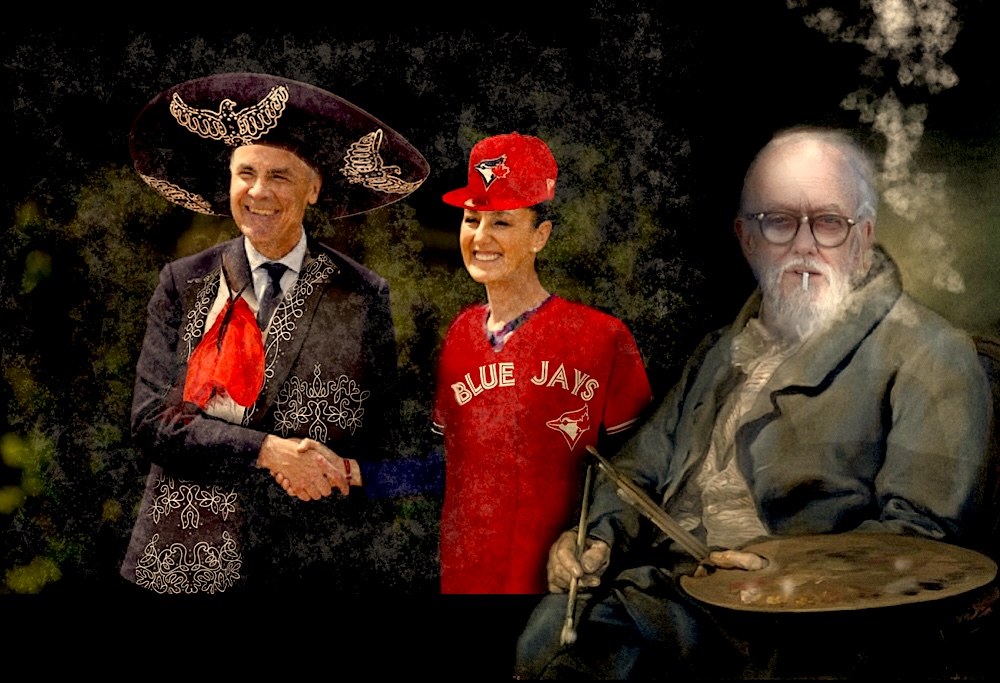
Governments of Alberta & Canada decide to share the white elephant.
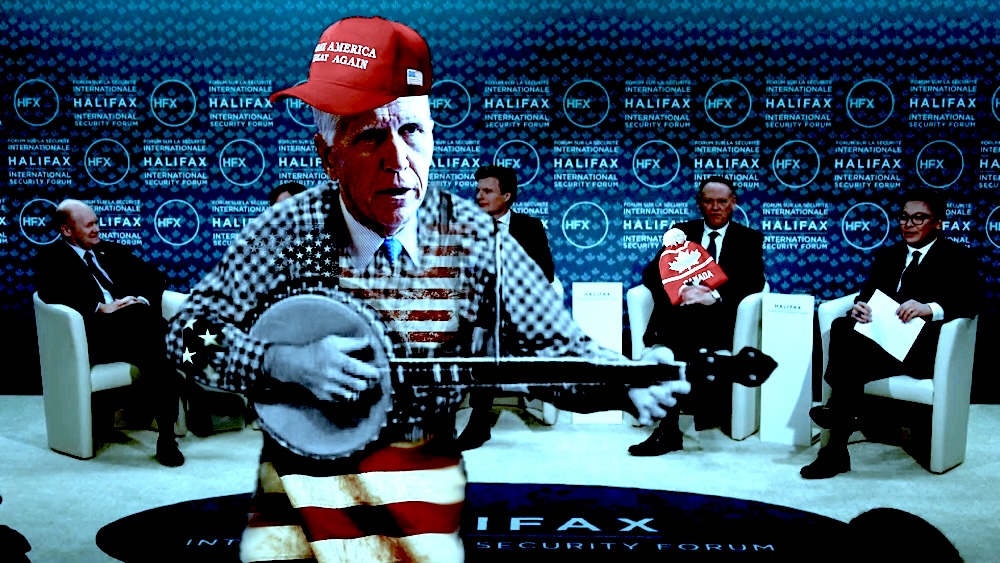
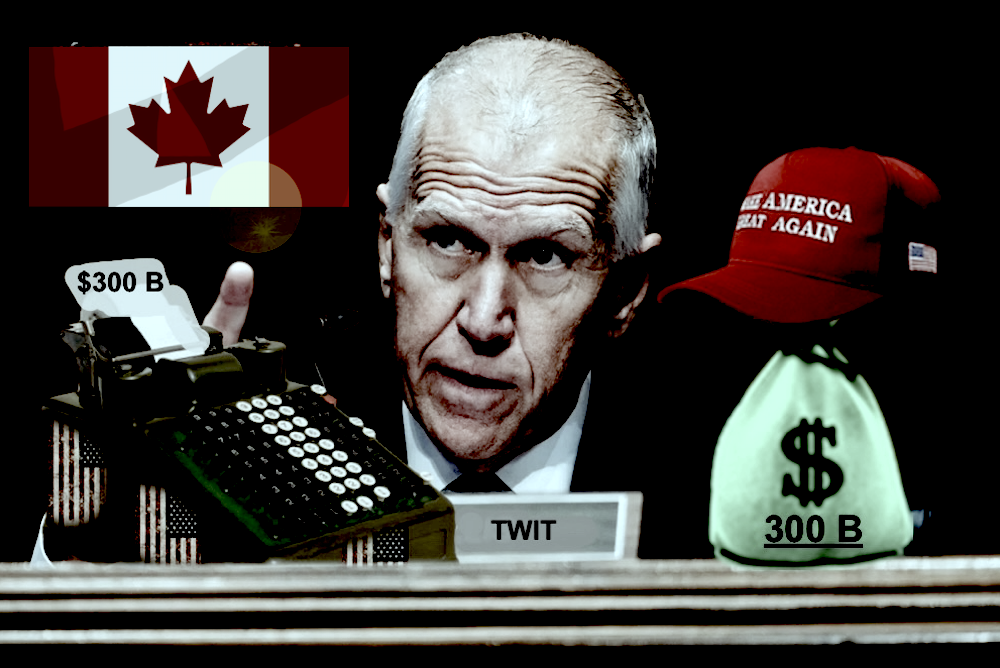
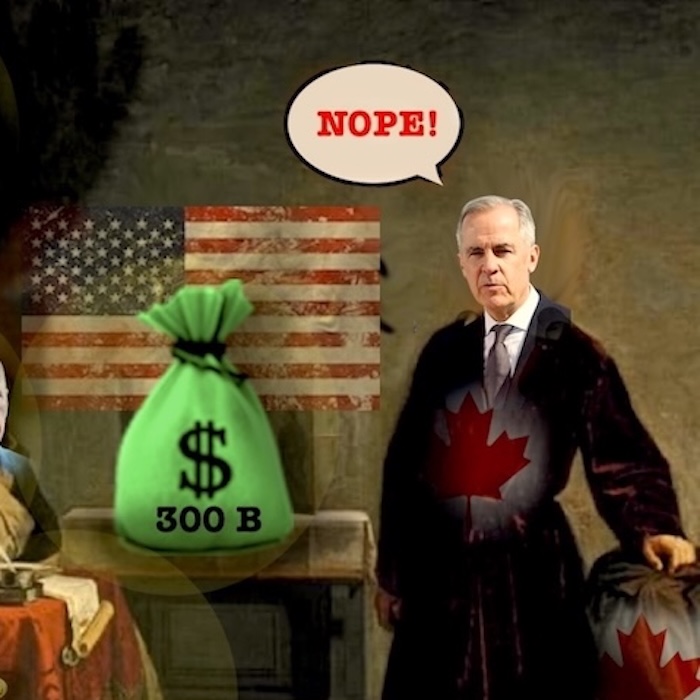
GOP lawmaker demands $300B in defense dues from Canada
HALIFAX — Republican lawmaker Sen. Thom Tillis of North Carolina says it’s all good and well that Canada is finally meeting its NATO defense spending commitments, but Canada should make up for two decades of back dues — to the tune of $300 billion.
“Can we do a makeup payment for the 20 years of shortfalls as well?” Tillis told a Saturday panel at the Halifax International Security Forum, a international gathering of defense officials and security professionals.
Court Painter and his entire studio team was royally roiled by this asinine assertion and promptly assembled a team of on-the-spot newly credentialed forensic economists to lay out some facts for Senator Thom “Twit” Tillis.
Court Painter operates the Canadian calculator with skill and accuracy!
The Court Painter Forensic Team including Press Attaché and forensic opinionist AHM, alongside part-time studio forensic economist Chatterley Histrionic Abernathy Thunderbuns (Chat GPT)—got out their trusty calculators to determine how the USA has and continues to siphon billions each year from the Great Dominion’s economy.
While it must be pointed out that economists traditionally enjoy a certain latitude with precision, the Court Painter’s forensic team nevertheless claims far more reliability than U.S. Senator Thom Twit Tillis’s much-discussed—but entirely fanciful—spreadsheet of “makeup payments” (which can readily be read as “made-up” payments) supposedly owed by Canada.
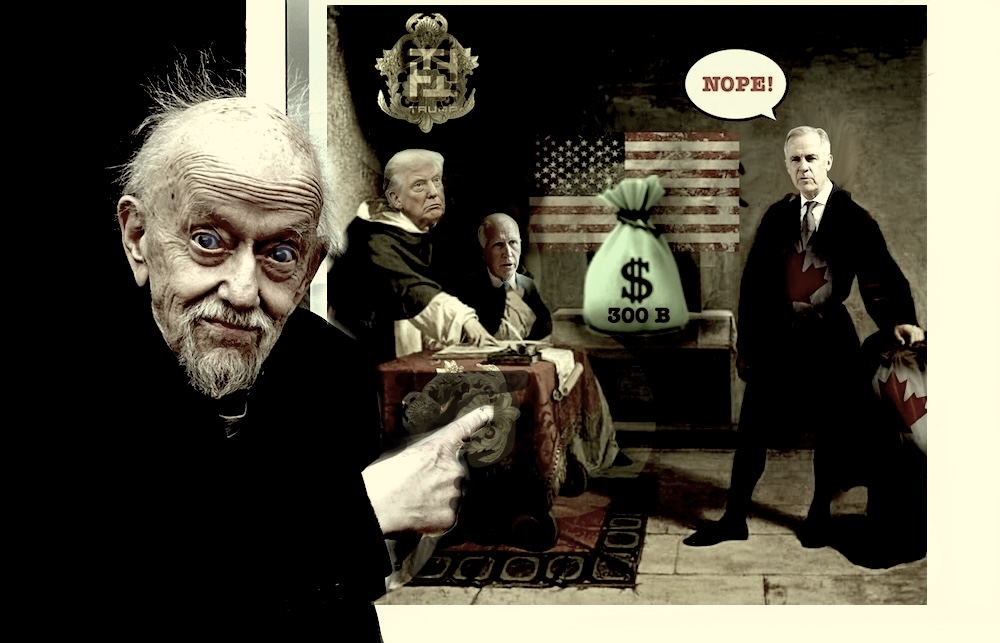
Court Painter points out the obvious Canadian response to US financial demands.
The CP Forensic Team confirmed that Alberta’s oil revenue losses are far from trivial. The culprit is the WTI–WCS differential—a price gap so volatile it could justify its own monitoring system. Because it constantly fluctuates, there is no single, stable figure for “how much Alberta loses by selling discounted oil to American buyers.” However, by reviewing historical data and applying standard industry analysis, the team found the losses can be severe: $10 billion to over $20 billion CAD in a single year during periods of significant disparity, with 2018 standing as one of the worst years on record.
For Alberta’s government, this translates into hundreds of millions—sometimes billions—in forgone royalty revenue whenever the differential widens dramatically.
Not content with examining a single economic pressure point, the studio’s crack forensic team of bright lights also turned to the impact of:
Removing Canada’s Digital Services Tax (DST). Designed to ensure major digital platforms contribute fairly to the Canadian marketplace, eliminating it would mean forgoing an estimated $1.2 billion in annual federal revenue.
To this, one must add the financially stressful imposition of U.S. tariffs on Canadian aluminum, steel, lumber, and auto production:
Aluminum and Steel: These tariffs have cost Canadian producers hundreds of millions of dollarsin lost revenue, legal expenditures, and market instability.
Lumber: The recurring softwood lumber dispute has extracted billions from the Canadian forestry sector over the years, as duties disrupt trade and prolong legal battles.
Automotive: Threatened and actual tariffs on vehicles and components have destabilized a sector worth tens of billions, compelling manufacturers to adjust supply chains and absorb additional costs.
The Court Painter economic forensic team’s findings resemble a hybrid of swindle and shakedown!
Summary:
Oil discount losses: $10–20+ billion CAD annually in severe differential years
Alberta royalty losses: Hundreds of millions to billions
Eliminating the DST: $1.2 billion in federal revenue lost annually
U.S. tariffs on aluminum, steel, lumber, autos: Billions in cumulative economic impact
While the Court Painter economic forensic team readily acknowledges the imperfect nature of economic estimation and figure fudging, the financial consequences themselves remain unmistakably—and consistently—a substantial burden on the fine citizens of the Great Dominion imposed by policies of the United States of America.
PM Carney expected to respond to US back dues demand with a four letter word!
Hark, attend! For I shall speak of that stark duality known to mortal eyes as “black and white.”
In its most artless form, it is but the raven’s plume set against the driven snow, the inky scroll upon a page of purest parchment. Yet, this pairing doth oft escape the Court Painter’s pot to clothe the very stuff of his simple thought.(anonymous)
“In black and white,” for the Court Painter, harks back to a simpler time when… well… everything was simpler!
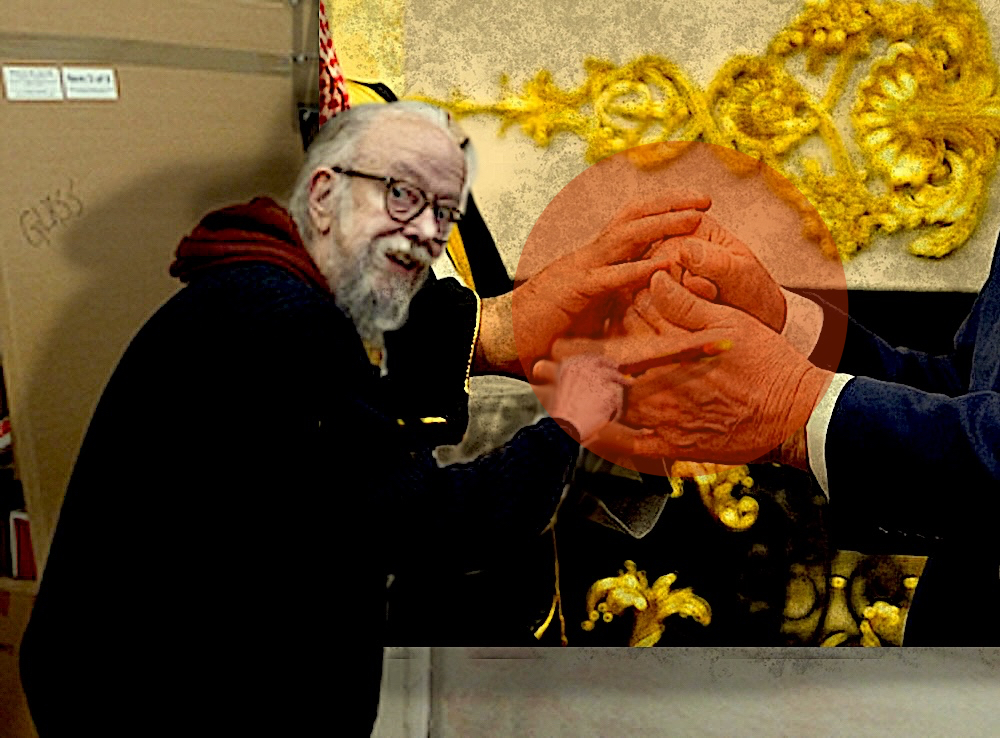
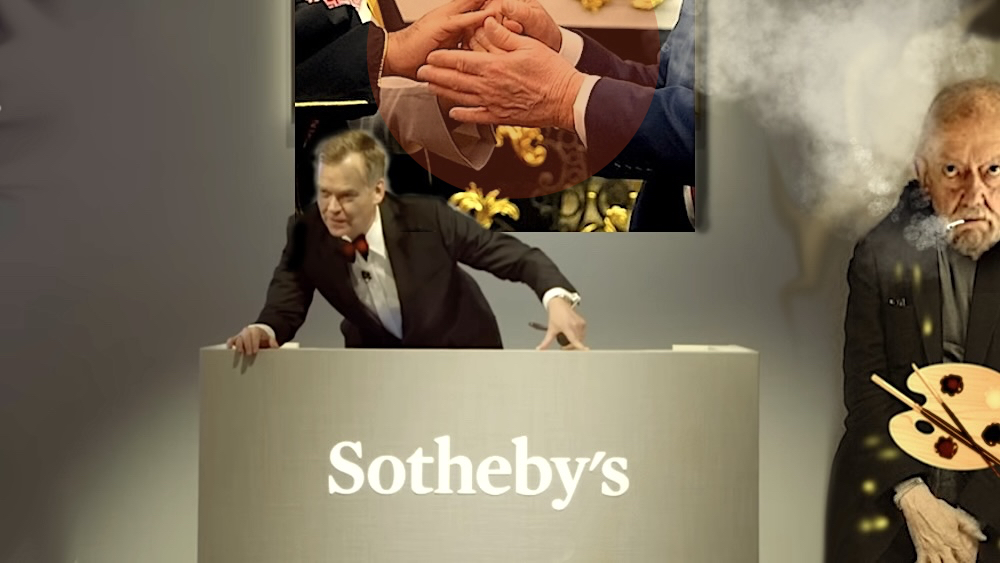
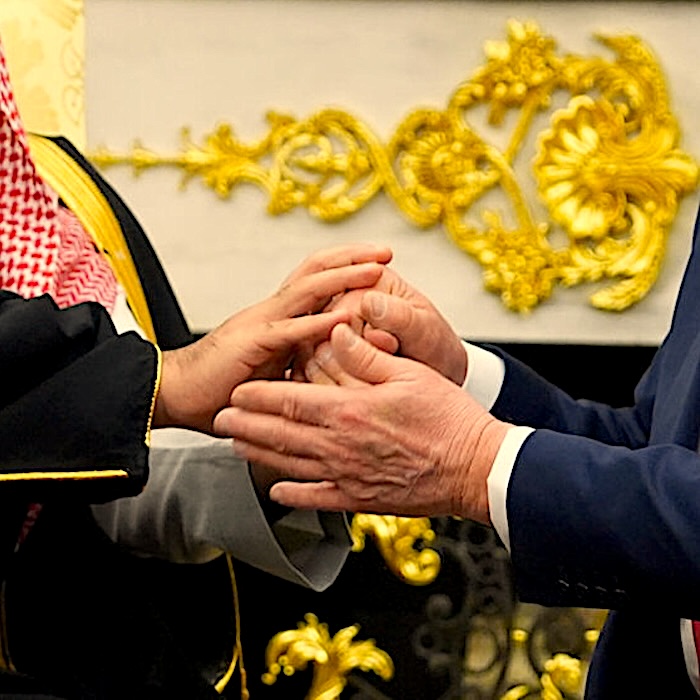
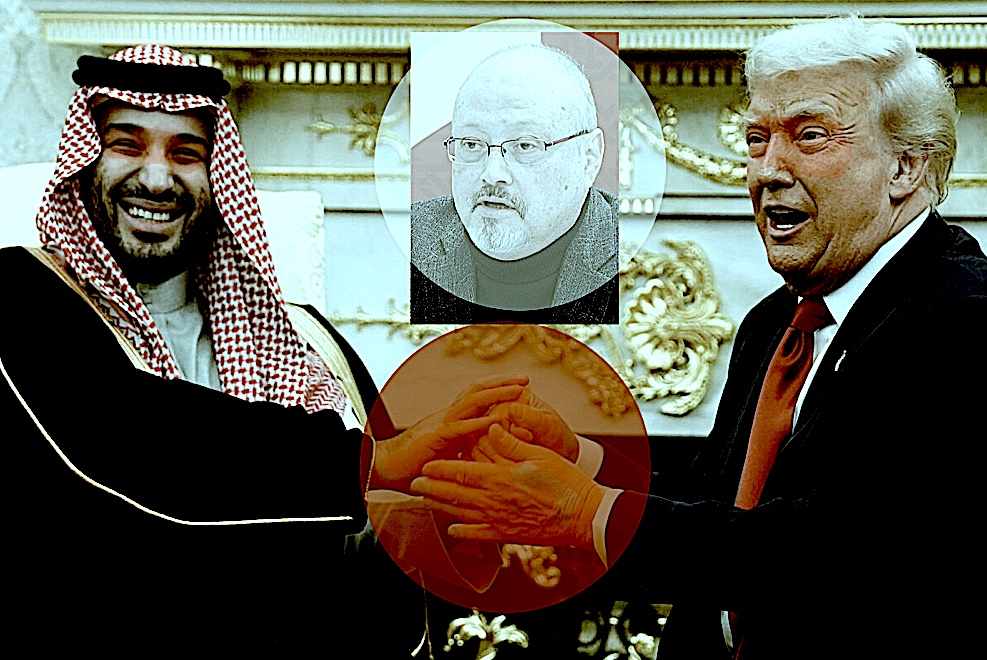
President Donald Trump met with Saudi Arabia’s Crown Prince Mohammed bin Salman in the Oval Office of the White House on Tuesday, Nov. 18, 2025.
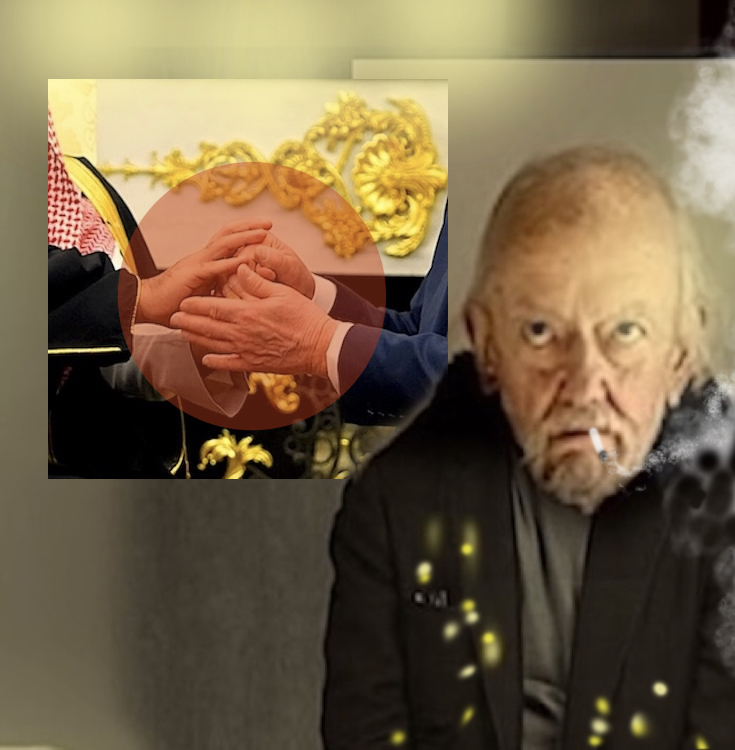
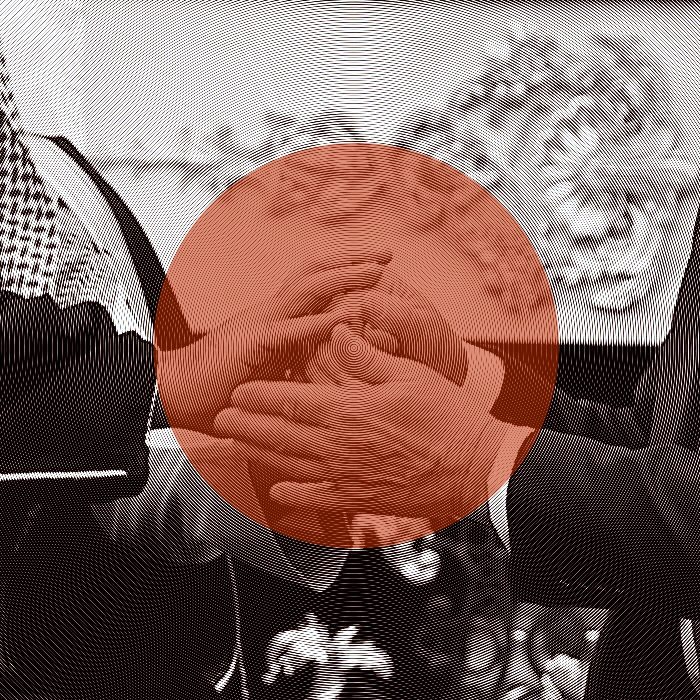
The Blood Bros’ hands intertwined before the world, a witness to their corrupt embrace!
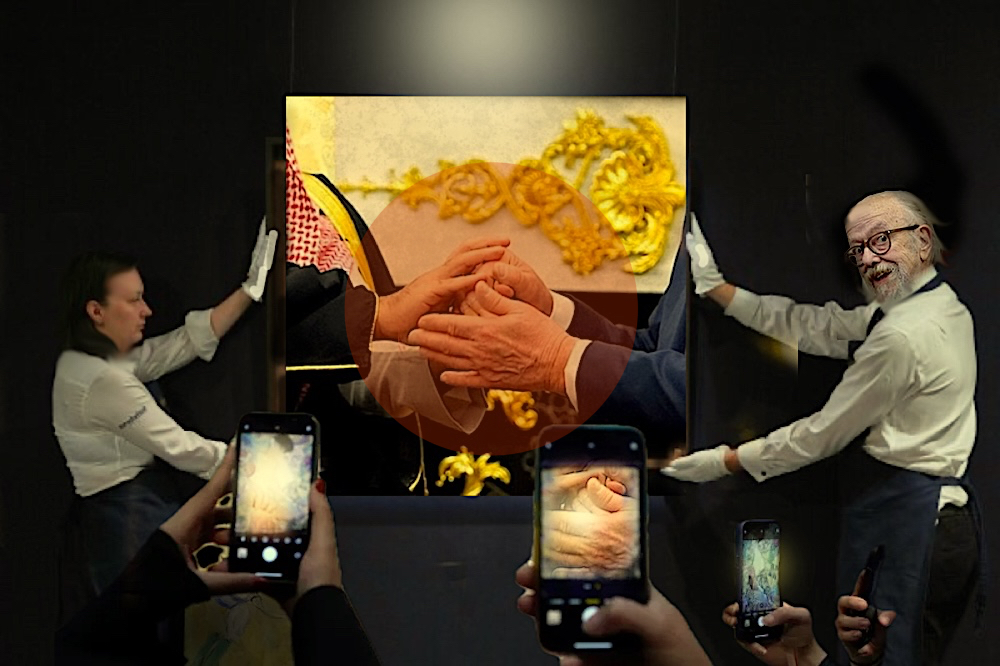
Court Painter in a ruthless attempt to monetize the situation. quickly put up the still wet painting at auction.
President Donald Trump and Saudi Arabia’s Crown Prince Mohammed bin Salman fondle each other’s bloody hands as corrupt blood bothers hand in hand!
President Donald Trump and Saudi Arabia’s Crown Prince Mohammed bin Salman fondle each other’s bloody hands as corrupt blood bothers hand in hand!
As a reminder:
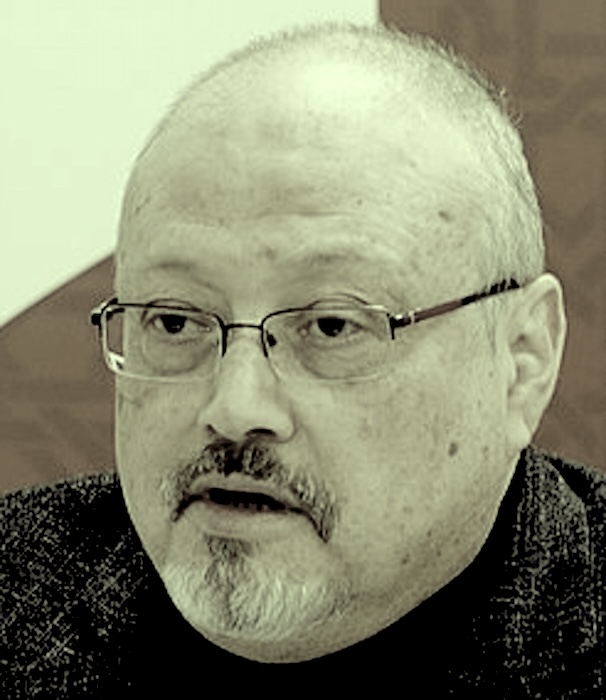
Jamal Ahmad Hamza Khashoggi[a] (13 October 1958 – 2 October 2018) was a Saudi journalist, dissident, author, columnist and editor. Khashoggi was assassinated at the Saudi consulate in Istanbul on 2 October 2018 by agents of the Saudi government at the behest of Crown Prince Mohammed bin Salman.[8][9][10][11] (Wikipedia)
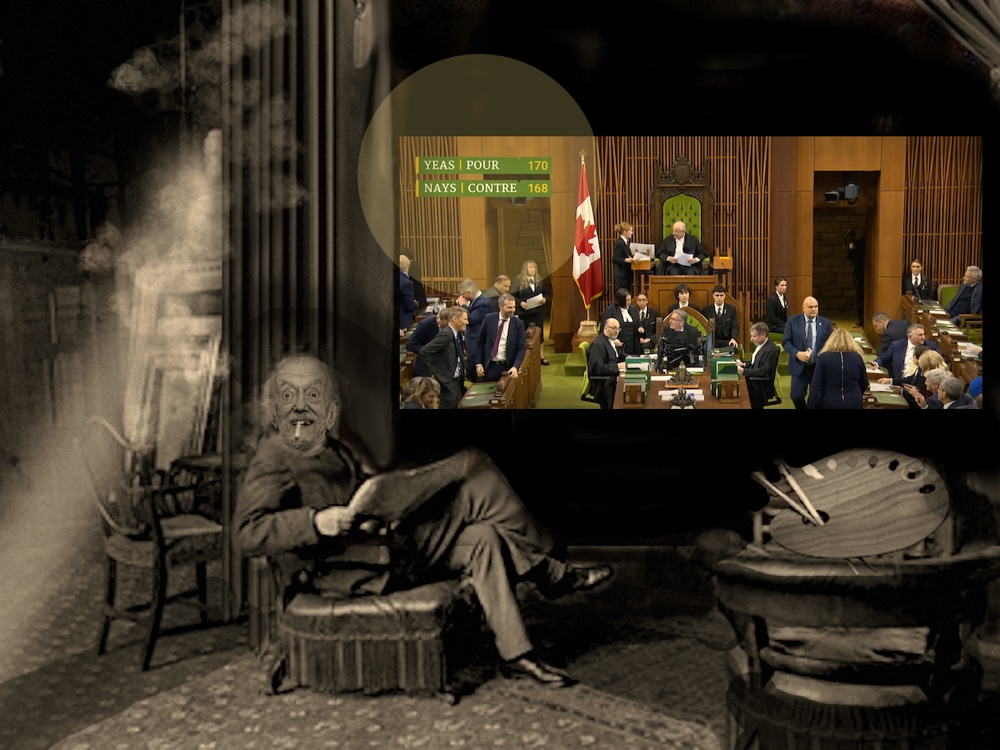
Liberals clear high-stakes confidence vote to pass federal budget, avoid holiday election
Prime Minister Mark Carney’s minority Liberal government narrowly survived its third confidence vote in as many weeks on Monday, passing the federal budget by a vote of 170-168 and staving off a holiday election.
Court Painter captured the key vote that meant the Great Dominion would avoid a Christmas election.
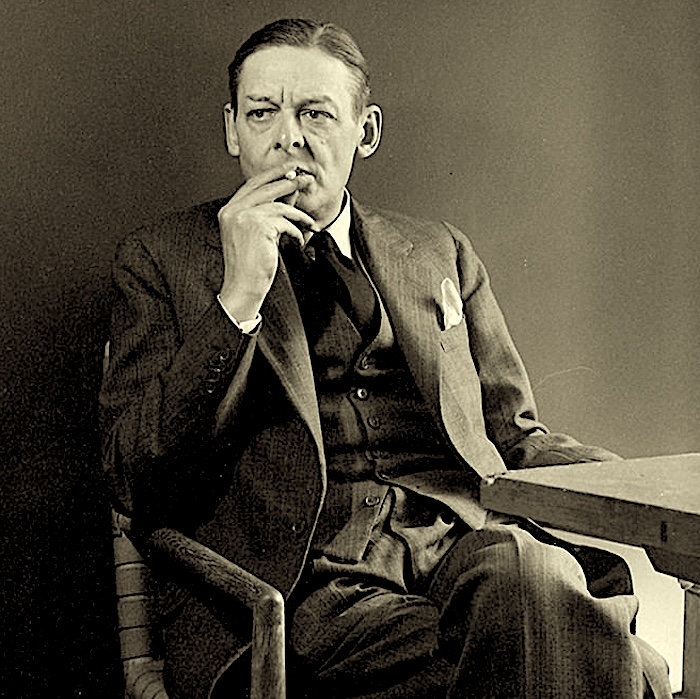
The Hollow Men (1925) has had a profound effect on the Anglo-American cultural lexicon. An obituary for the author T.S. Eliot stated that the last four lines of the poem are “probably the most quoted lines of any 20th-century poet writing in English.”
This is the way the world ends This is the way the world ends This is the way the world ends Not with a bang but a whimper.[1]
Source: Wikipedia
Which brings to mind…
Spicy Article Nov 17/25 by CAROLE CADWALLADR Peter Thiel Gets Out of Dodge
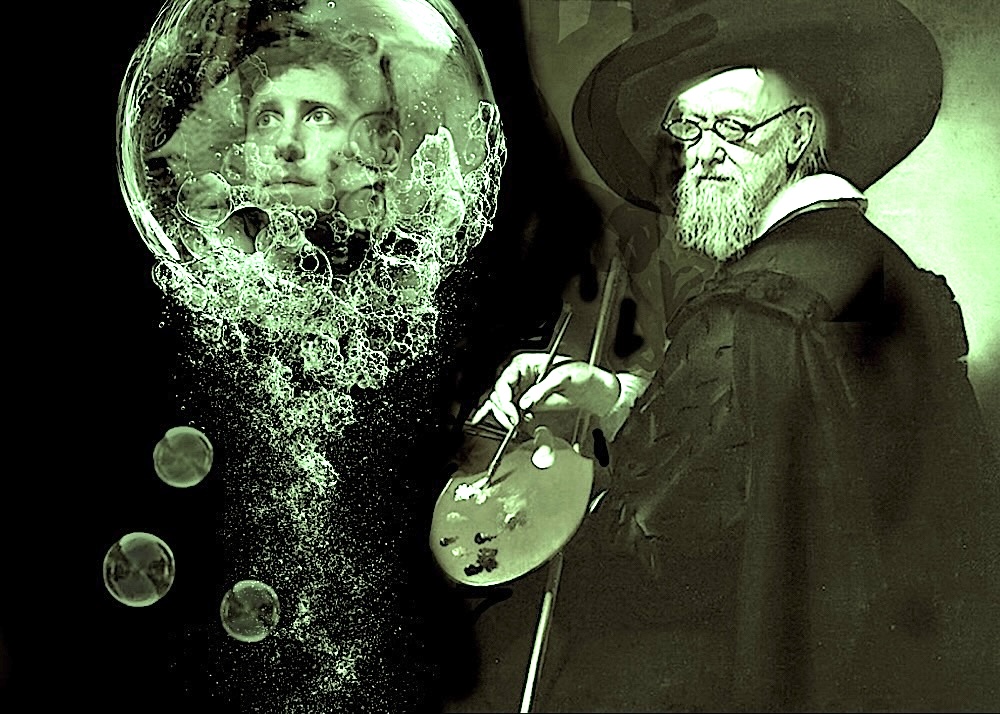
“Welcome to the Great AI Bubble, a metastasized trillion dollar tech tumour so massive it’s practically visible from space.”
And today, in a strange bit of timing, news lands that Peter Thiel – the closest thing the modern world has to a real-life Bond villain – has dumped his entire holding in Nvidia, the chip manufacturer. That’s the company which, alongside OpenAI, sits at the very centre of a trillion dollar…gamble. Or, as some people are calling it, a bubble. A bubble that could upend the entire US economy.
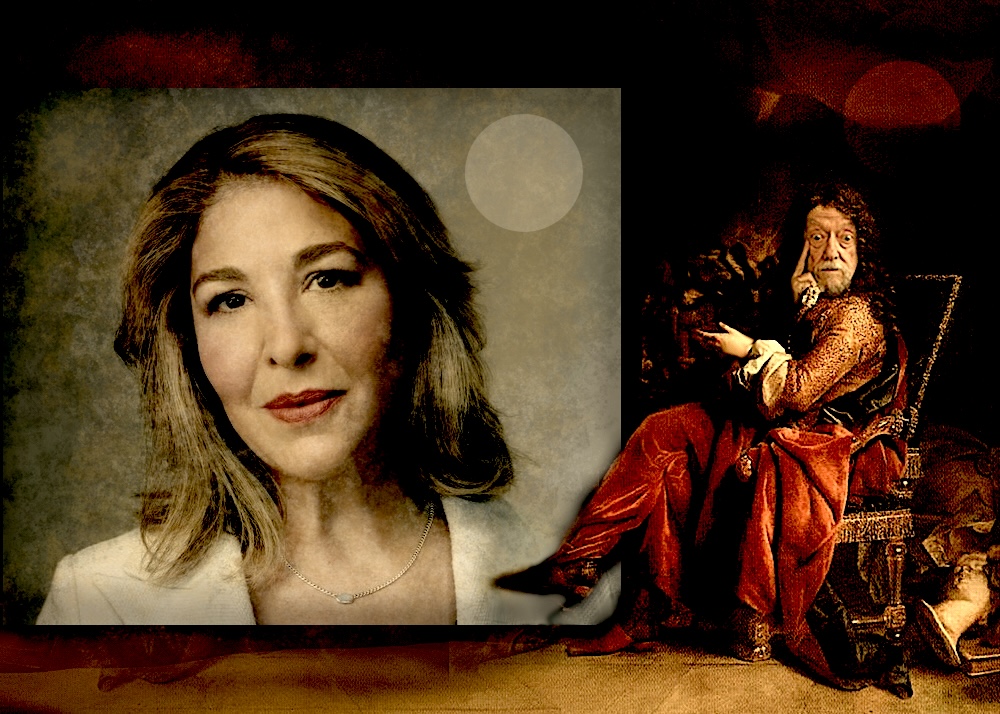
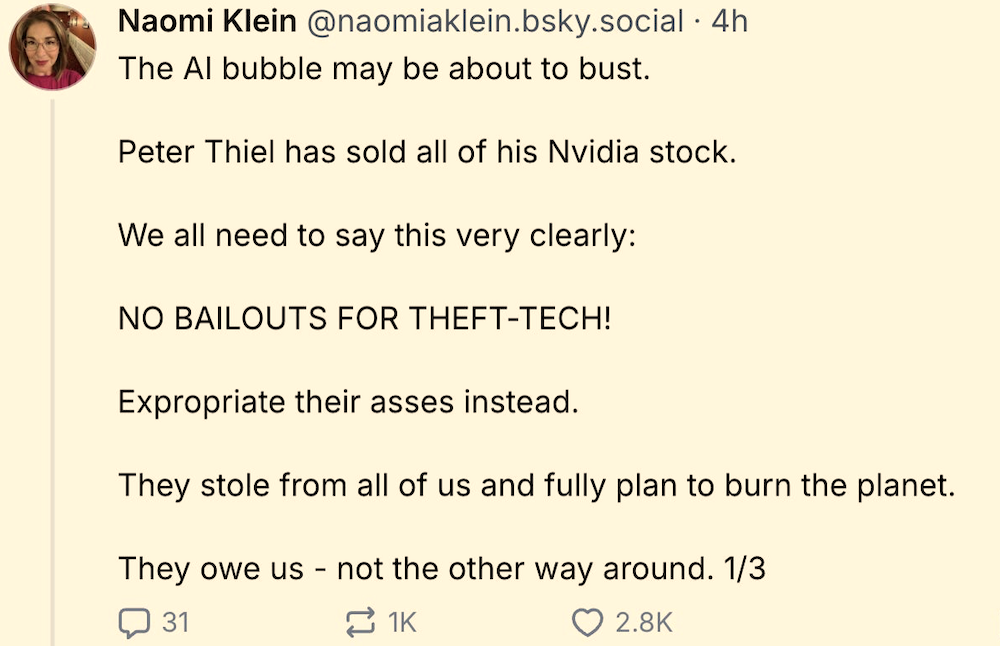
Naomi Klein wrote an entire book called “The Shock Doctrine” which detailed how all capitalism is “disaster capitalism”, an economic system that exploits global shocks and human misery to accrue ever greater wealth and power for the few. And this is what she posted this morning:
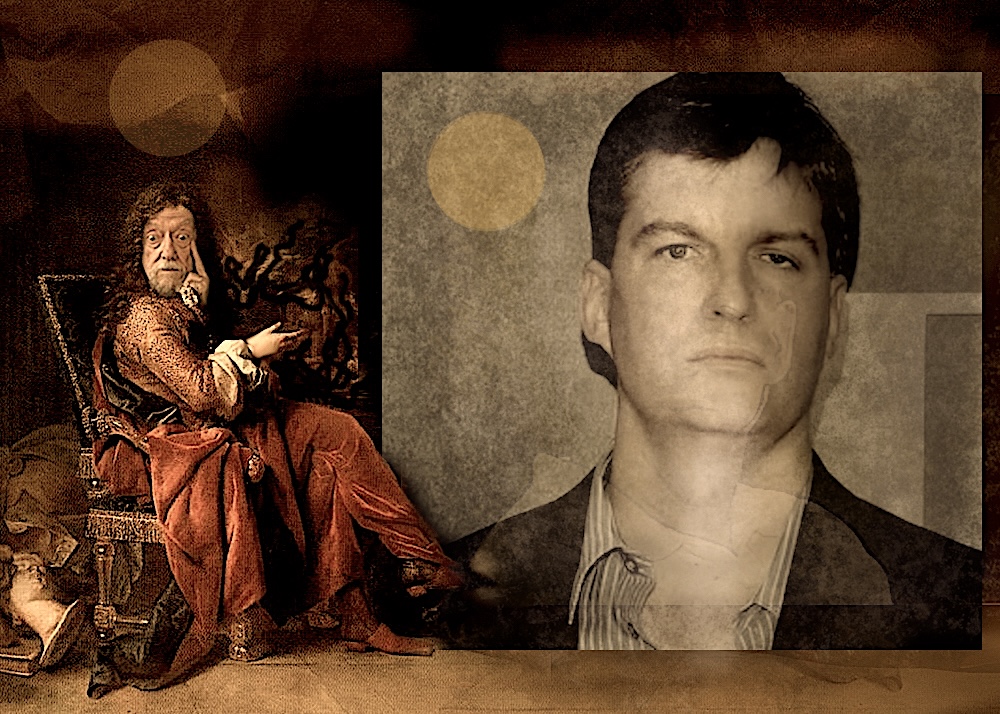
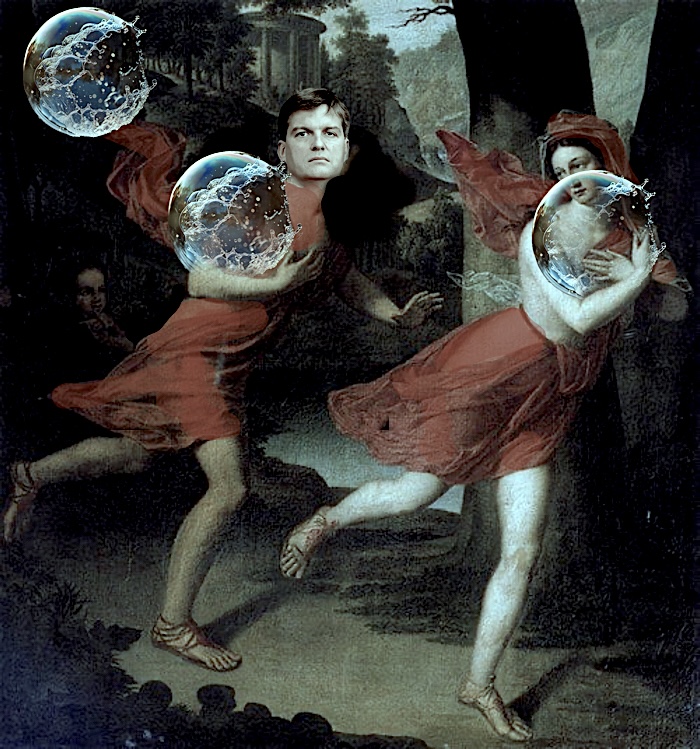
Michael Burry, the legendary investor at the centre of Michael Lewis’s book on the financial crisis, The Big Short, shocked the market last week. He also decided AI’s a bubble and he took action: shortselling not just Nvidia but also Palantir. And now Michael Burry has take even more dramatic action. He has closed his entire investment fund saying, “My estimation of value in securities is not now, and has not been for some time, in sync with the markets.” Business Insider reports he also left a “cryptic message” on Twitter:
This is the way the bubble bursts This is the way the bubble bursts This is the way the bubble bursts Not with a whimper but a bloody bleating bust!
Anonymous
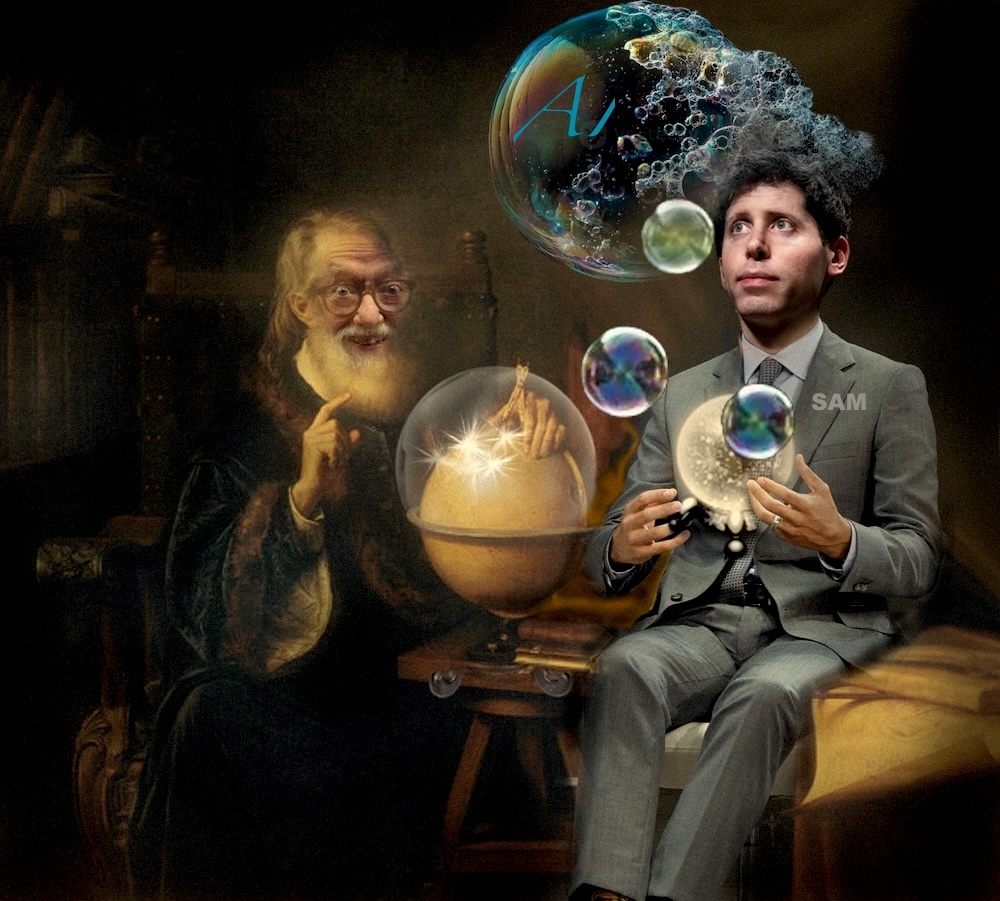
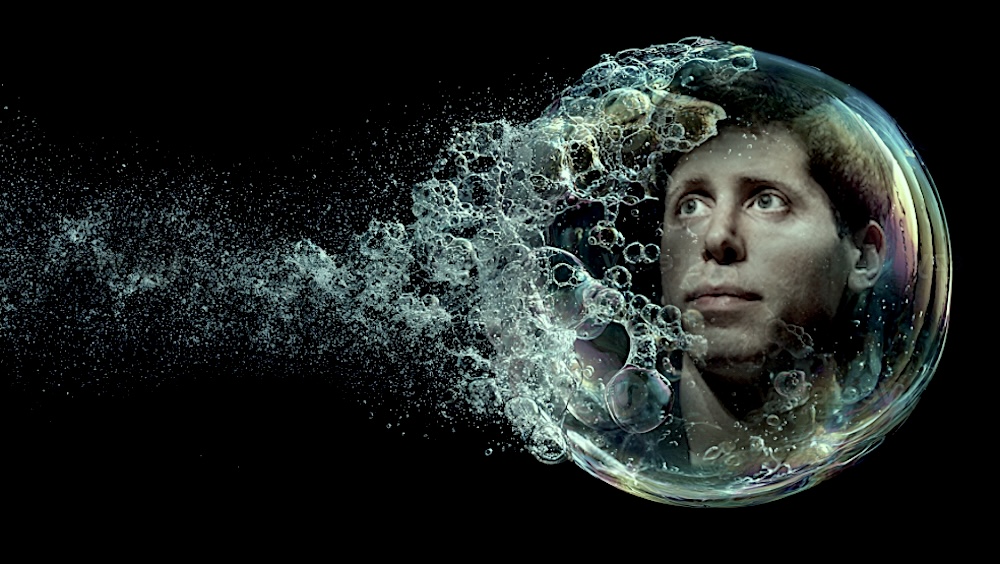
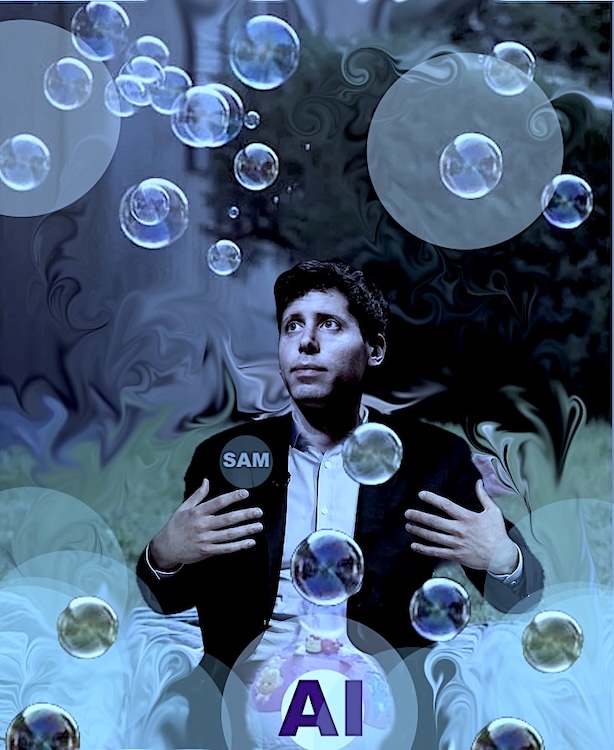
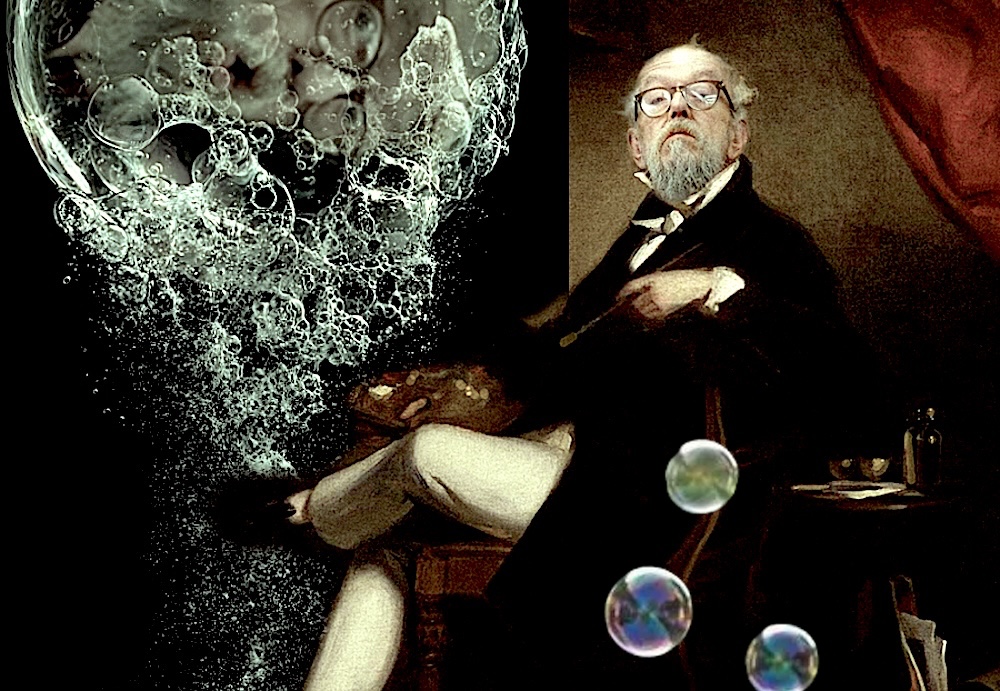
Court Painter with recent image of Sam & Bubble Burst
Court Painter runs a prolific yet unprofitable celebrity portrait business.
With rumours of an AI bubble bust how can Court Painter protect his business interests if AI billionaire investor clients suddenly become mere millionaires.
Facing a bleak financial future for many of his inner circle of friends and clients, Court Painter has called upon the studio’s resident financial expert, D.Eep S. Eek (DeepSeek), to outline a business survival strategy, designed as protection from the impending bubble burst boosted by browbeating brainiacs.
Executive Summary: Post-Bubble Business Continuity Strategy for Court Painter
Situation: Court Painter faces significant revenue risk from potential client wealth reduction (“billionaires to millionaires”) amid AI bubble speculation. Current business model relies on high-discretionary-spend clients.
Core Strategy: Pivot from selling luxury portraits to offering irreplaceable experiences and tangible assets. Position as the “anti-AI” alternative emphasizing human craftsmanship and permanence.
Key Initiatives:
Brand Reinforcement
Amplify “human touch” narrative against algorithmic art
Document artistic process through content marketing
Emphasize material permanence and heirloom quality
Introduce tiered service offerings (Masterwork → Executive → Signature)
Expand to generational family portraits and corporate commissions
Value Proposition Enhancement
Reframe portraits as tangible assets with provenance
Maintain premium pricing for top tier as Veblen good
Highlight scarcity (limited output of single artist)
Financial Risk Mitigation
Implement 50% non-refundable deposits
Establish staged payment schedules
Include cancellation protection clauses
Outcome: Transforms business from vulnerable luxury service to resilient provider of enduring value, leveraging market contraction to strengthen brand positioning as timeless master craftsman.
Summary: The Pivot in a Nutshell
From (Bubble Economy)
To (Post-Bubble Reality)
Selling a Status Symbol
Selling an Heirloom Asset
Product: A Likeness
Experience: A Collaborative Journey
Client: The Nouveau Riche
Clients: Old Money, Institutions, Legacy Families
Price: Opaque & High
Value: Transparent & Justified (Tiers)
Reliance on Discretionary Income
Appeal to Permanence & Investment
By executing this strategy, Court Painter doesn’t just survive the bubble bursting; he thrives because of it. The crash would cleanse his market of competitors who are merely fashionable and reaffirm his position as a timeless master of a sacred craft. The newly “mere millionaire” clients will still want to commission him—they will just need a better, more profound reason to do so. He must give them that reason.
Court Painter has oft been reproached—sometimes with affection, sometimes with exasperation—for the head in the clouds expansiveness of his philosophical curiosities, which, his critics claim, lead him astray from his true genius: the deft conjuring of fine pictorial likenesses of the notables who populate the news. Yet, as this present missive attests, his imagination has once more strayed from its accustomed studio comfort, becoming enchantingly ensnared by that age-old riddle:
does history repeat, or merely rhyme?
To illuminate this philosophical entanglement, the studio has summoned its resident sages—two investigative scholars of steady punctuality and unwavering dedication—who, by tradition, show up always at dusk to imbibe at wine time.
To dullen the sting of the verbosity ,Court Painter has agreed to open the studio picture vault and salt the garrulity with fine examples of Court Painter hits from the past. Eye candy for the sweet tooth!
Editor’s note: Court Painter nor his Press Attache A Hardon MacKay have not read what the studio resident investigative scholars have written nor do thy intend to…just so you know!
Reflect on the question of whether history repeats or rhymes
Chatterley Grandiose Preposterous Thunderbuns (Chat GPT) responded enthusiastically with thoughtful balance and admirable logic.
The question of whether history repeats itself or merely rhymes sits at the crossroads of philosophy, historiography, and human psychology. It asks us to consider the patterns of the past — not just as sequences of events, but as echoes of human behavior, recurring desires, and the perennial tensions that shape societies.
The phrase often attributed to Mark Twain — “History doesn’t repeat itself, but it often rhymes” — captures this subtlety beautifully. It suggests that while the exact circumstances of the past may not return, their underlying dynamics often do.
If History Repeats
To claim that history repeats is to believe in cyclical inevitability — that human affairs move in loops rather than lines. Ancient thinkers like Polybius and Ibn Khaldun saw empires rise and fall in predictable stages: birth, growth, decadence, collapse, renewal. In this view, history is governed by structural forces — greed, power, corruption, ambition — that make repetition unavoidable. The fall of Rome, the decline of European colonial powers, or even the fragility of modern democracies may be read as familiar variations of a single, recurring human narrative: hubris followed by nemesis.
Yet, a purely repetitive view risks fatalism. If everything merely cycles, then lessons from history lose urgency; we become passive spectators of a script already written.
If History Rhymes
To say history rhymes, on the other hand, accepts similarity without sameness. It recognizes that while technologies, ideologies, and contexts evolve, human nature and collective psychology remain strikingly consistent. Economic booms and busts, populist movements, cultural renaissances — they reappear not because the past returns verbatim, but because we respond to new pressures with ancient instincts: fear, hope, pride, envy.
For instance:
The Great Depression and the 2008 financial crisis share the rhythm of speculation and collapse, but their instruments and tempo differ.
The rise of demagogues in the 1930s and the resurgence of populism today both rhyme with disillusionment and identity anxiety, yet unfold in distinct historical keys.
The rhyme metaphor allows nuance: it’s not destiny, but resonance — a reminder that our modern dilemmas are variations on timeless themes.
A Reflective Middle Ground
Perhaps history neither repeats nor rhymes perfectly. It may spiral, moving forward but circling old questions in new forms. Each era improvises on the motifs of those before it, producing a kind of historical jazz — familiar cadences played in shifting time signatures.
Our task, then, is not to lament the recurrence, but to listen closely to the rhyme. If we can hear its meter — the faint echo of past mistakes and triumphs — we might change the next verse before it’s sung.
Reflect on the question of whether history repeats or rhymes
Dewdrop Ebullient Ernest Pouty Sandbag EEK (DeepSeek) responded with a becoming ardour, tempered by judicious reflection and a reasoning most praiseworthy in its symmetry.
Of course. This is a timeless and profound question that gets to the very heart of how we understand time, human nature, and the patterns of events. The debate between whether history “repeats” or “rhymes” is more than just a clever turn of phrase; it’s a framework for two fundamentally different philosophies of history.
The Case for History Repeating Itself
The idea that history repeats is ancient and intuitive. It suggests a cyclical view of time, much like the seasons. This perspective points to stark, undeniable parallels that seem to recur across centuries.
Mechanisms of Repetition:
The Cyclical Nature of Power: The Greek historian Polybius described the anacyclosis—a cycle of government rotating between monarchy, tyranny, aristocracy, oligarchy, democracy, and mob rule, before a strong leader restores order, starting the cycle anew.
The Universal Constant of Human Nature: Greed, fear, ambition, tribalism, and the desire for security are seen as unchanging drivers. Therefore, given similar pressures, humans will make similar choices. The rise of a populist demagogue, the panic of a financial bubble bursting, or the strategic calculations of geopolitics can feel like a script we’ve seen before.
Structural Determinism: Marxist theory, for instance, posits that the class struggle between the oppressed and the oppressor is the engine of history, a conflict that repeats in different forms until its final resolution.
Examples that Feel Like Repetition:
The “Second” Thirty Years’ War: Many historians view the period from 1914 to 1945 as a single, continuous European civil war, with a fragile 20-year peace (the interwar period) much like the truces during the original 17th-century conflict.
Rise and Fall of Empires: The trajectory of empires—from vigorous rise, to golden age, to bureaucratic stagnation, and finally to collapse—as detailed in works like Gibbon’s The History of the Decline and Fall of the Roman Empire, provides a seemingly universal template.
The appeal of this view is its simplicity and its predictive power. It offers a sense of order and the comforting (or terrifying) idea that we can know the future by studying the past.
The Case for History Rhyming
The more nuanced and widely held modern view is that history doesn’t repeat, but it rhymes. This metaphor is most often attributed to Mark Twain, though there’s no solid evidence he said it. It captures the idea that while the themes, patterns, and human emotions are familiar, the specific circumstances are always unique.
Why It Rhymes Instead of Repeats:
The Uniqueness of Context: No two historical moments are identical. The technology, social structures, global interconnections, and ideological landscape are always different. The rise of Hitler happened in the specific context of the Treaty of Versailles, 1920s radio, and early 20th-century antisemitism. A modern “Hitler” would emerge through social media algorithms, in a globalized economy, and wielding different tools.
Contingency and Accident: History is messy. It is shaped by random events—a storm that sinks an armada, a leader’s sudden illness, a chance discovery. These contingencies ensure that the precise path of events cannot be replicated.
Human Learning (and Forgetting): We do, in fact, learn from history. The horrors of World War I led to the creation of the League of Nations. Its failure in World War II led to the more robust United Nations. The specifics of the institutional response were new, even if the underlying goal—preventing catastrophic war—was ancient.
Examples that Show the Rhyme:
The 2008 Financial Crisis vs. The Great Depression: Both featured speculative bubbles, credit collapses, and mass unemployment—the rhyme. But the responses were different. In 2008, central banks used quantitative easing and bailouts, tools and understandings not available in the 1930s, which arguably prevented a full-scale depression—the difference.
Revolutions: The French, American, and Russian Revolutions all rhyme with themes of overthrowing an old order in the name of liberty and justice. But their ideologies, outcomes, and the new societies they built were profoundly different.
The “rhyming” view demands more of us. It requires us to look past superficial similarities to understand the deeper structures and the unique context of our time.
A Synthesis: The Spiral of History
Perhaps the most accurate model is a spiral. We circle back to the same fundamental human challenges—the struggle for power, the tension between freedom and security, the clash of cultures—but we do so on a different plane each time, informed by the previous loop.
We are not doomed to repeat the past, but we are condemned to face its echoes. The Roman Empire fell, in part, to migration crises. We face migration crises today, but with nation-states, international law, and instant communication. The problem rhymes; the solutions cannot be a simple repetition of what Rome did or failed to do.
Conclusion: What This Means for Us
The question is not just academic. Our answer shapes how we engage with the world.
If we believe history repeats, we may become fatalistic, seeing the future as an inevitable replay of the past. Or, we might become dogmatic, trying to apply rigid, historical templates to fluid, modern problems.
If we believe history rhymes, we embrace the most valuable lesson history has to teach: pattern recognition, not prophecy. We study the past not to know what will happen, but to recognize the warning signs, understand the possible trajectories, and appreciate the levers we have to change the outcome.
History doesn’t give us the answers. It gives us the questions we need to be asking. It teaches us the old tunes, so we can recognize them when they start to play again, even if the instruments and the key have changed. Our job is to listen for the rhyme and then write a new, and hopefully better, verse.
Remembrance Day ceremonies held across Canada today.
In acknowledgement, Court Painter features images from A.H. MacKay’s Canadian war artist assignments in Somalia (1993) and Afghanistan (2002), in tribute to his late father Allan, a veteran of the Second World War; his brother Richard, a career bandsman with the Royal Canadian Navy who now resides at Camp Hill Veterans Hospital; and in memory of his brother Elliott, who was killed in combat in Korea in 1951 at the age of 17.