Possibly the greatest threat to humanity at this moment is the algorithm.
It can twist and wreck people’s minds and lives — tear apart families and destroy countries — in a way that can be more rapid and more powerful than heroin, cocaine, or fentanyl. And yet it is completely unregulated.
An algorithm is a software program/system that inserts itself between humans as we attempt to communicate with each other. It decides which communications are important and which are not, which communications will be shared and which will not, what we will see or learn and what we will not.
The algorithms driving social media sites ultimately decide which direction society will move as a result of the shared information they encourage or suppress across society.
The algorithms’ main purpose is to make more money for the billionaires who own the social media platforms.
The morbidly rich people who own our social media, focus more on adding more billions to their money bins than the consequences of their algorithms, don’t seem particularly concerned about these issues. Instead, they appear to be intentionally tweaking their algorithms to promote content that agrees with their political views and economic interests (although we can’t be sure because they keep them secret).
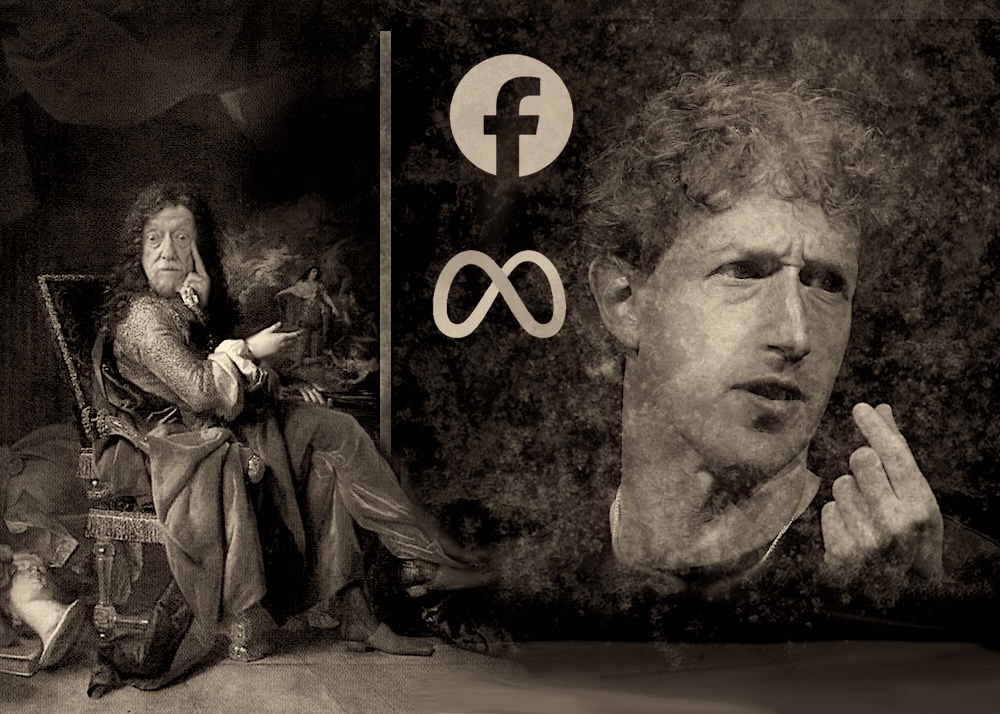
Mark Zuckerberg is only one of numerous media billionaire’s cashing in on the dance to the algorithm.
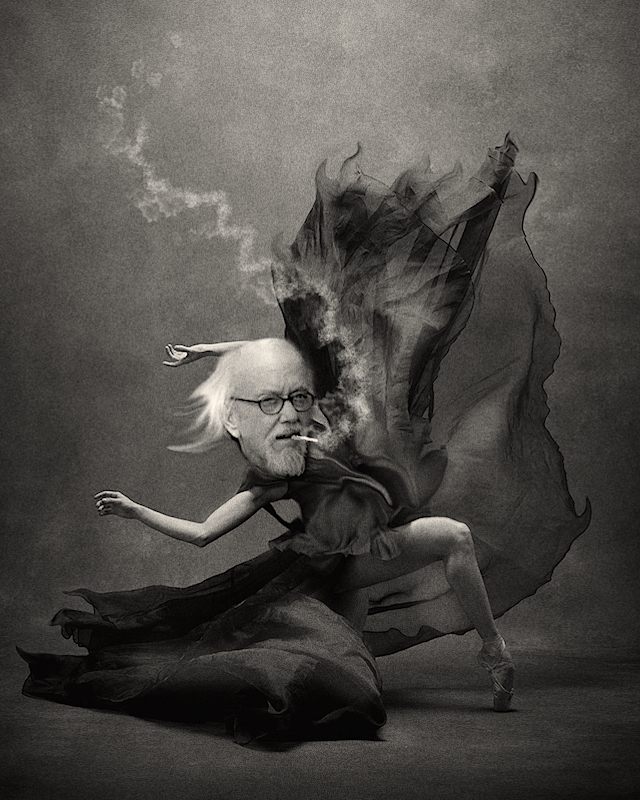
By the way Katy Perry is in the news these days so put your dancin’ shoes on and chain yourself to the rhythm…
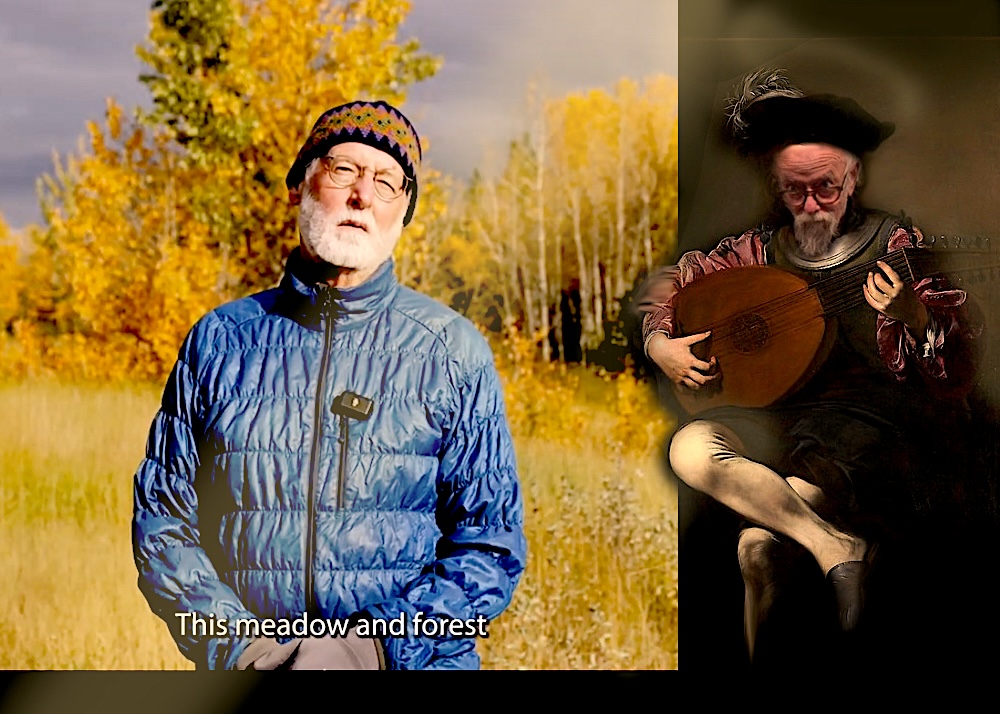
Court Painter directed his video crew to venture into the wilds of Ottawa to capture a politician silent. He succeeded with the Leader of the Opposition, Pierre Poilievre, in what is regarded as a rare—perhaps unprecedented—glimpse of this particular politician in a state of silence.
Please note: No cheating by adding a soundtrack over the cinematic tranquility. Simply carve out two minutes of your cacophonous life for a two-minute moment of silent viewing of the Great Dominion’s loudest-mouthed politician…silenced !
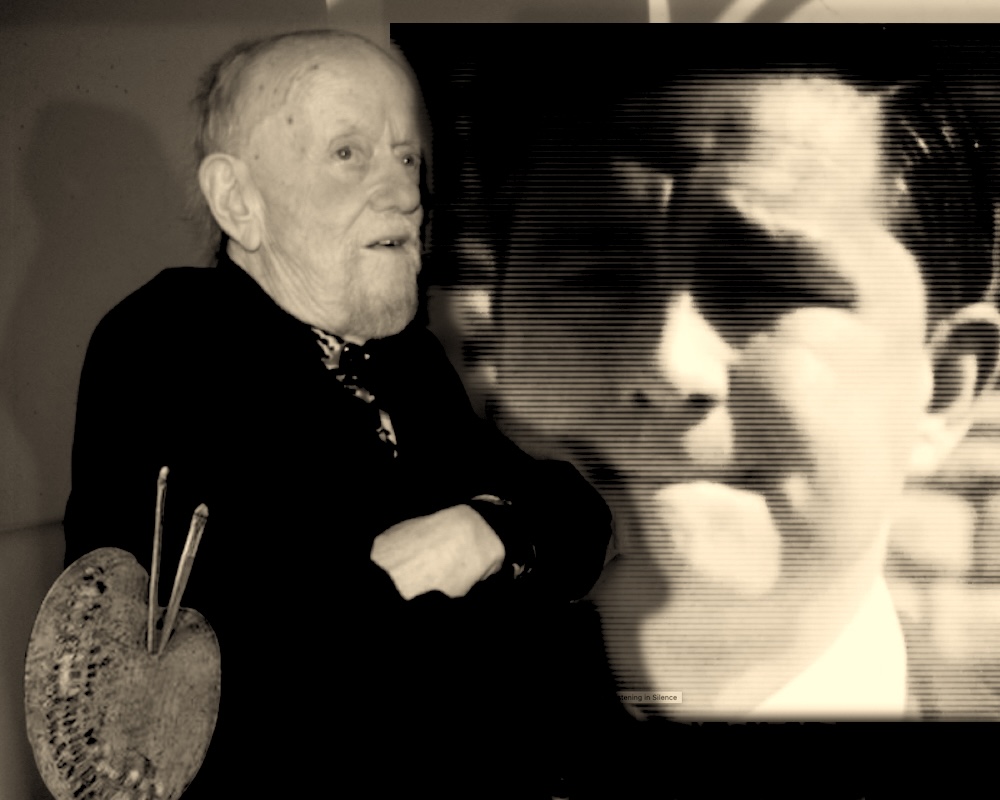
PP seen biting his lip silently
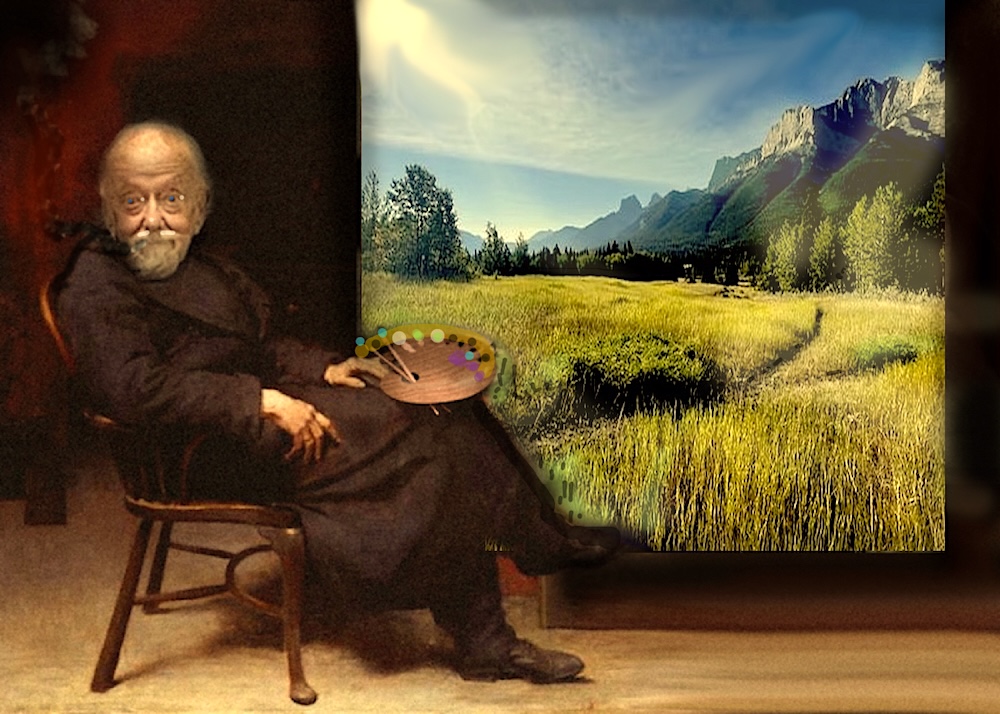
Court Painter seen observing 2 minutes of PP’s silence
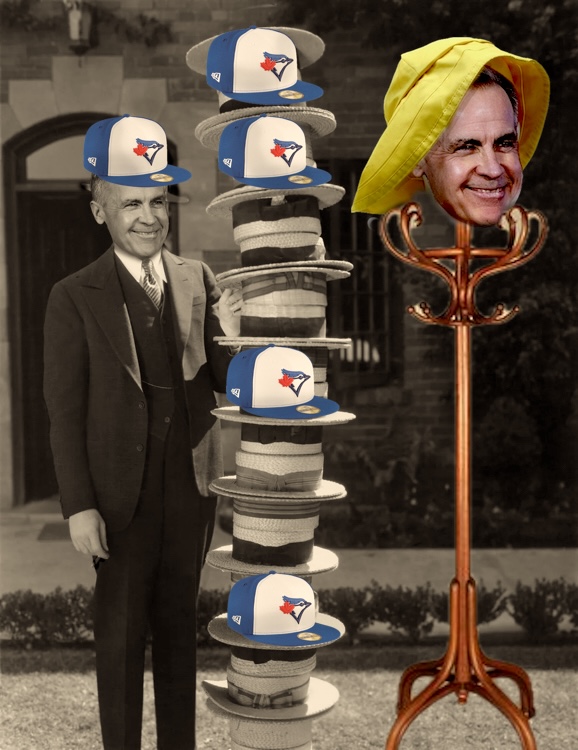
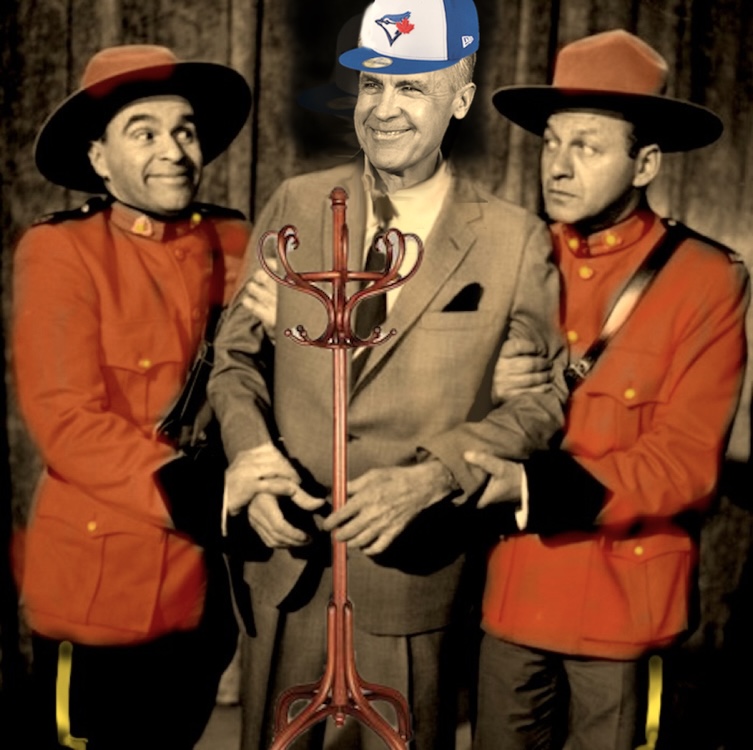
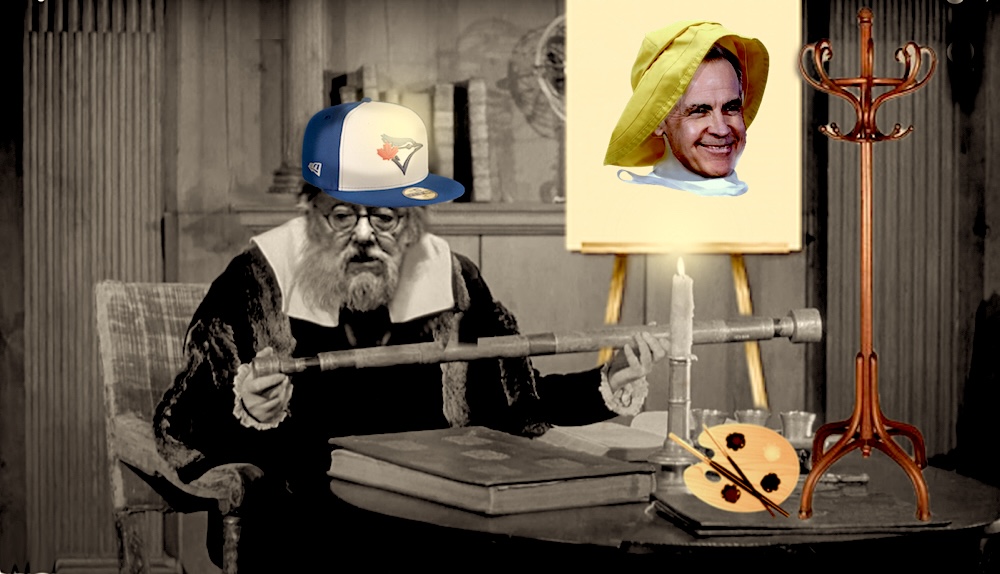
What Court Painter and his trusty Press Attache, A Hardon MacKay, decide upon as a subject for their pictorial and verbal analysis remains a closely guarded studio secret(keep it under their hat). However, it can be said that the following post was sparked by a journalist’s remark that Canadians are looking for something from the Carney government “to hang their hat on.”
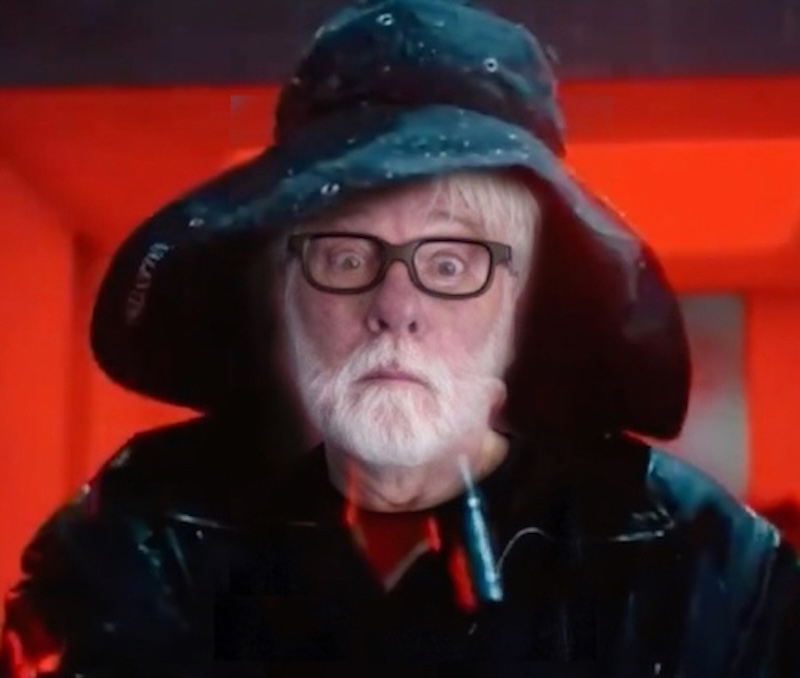
As keen observers of the Court Painter postings will know, the resident studio scribe, Chatterley Grandiose Preposterous Thunderstruck (ChatGPT), is sometimes called upon to compose a narrative that illuminates a chosen subject—and at the drop of a hat took on the task of commenting on Canadians’ wish to find something from Carney “to hang their hat on.”
Editor’s Note : AHM was forced to edit heavily upon receiving the initial draft and apologizes in advance to all subscribers for taking up so much of their valuable time.
“The Great Canadian Hat Rack Accord”
It began, as all great Canadian political crises do, with a polite but insistent demand.
Canadians, from coast to coast to coast, were telling Prime Minister Carney they wanted something from government they could hang their hat on.
At first, Prime Minister Carney’s aides assumed it was a metaphor—one of those reassuring idioms people toss around when they crave stability. But soon the letters and memes began arriving by the thousands : handwritten, digitally rendered ,carefully worded, and almost all containing the same refrain—“We need hat racks.”
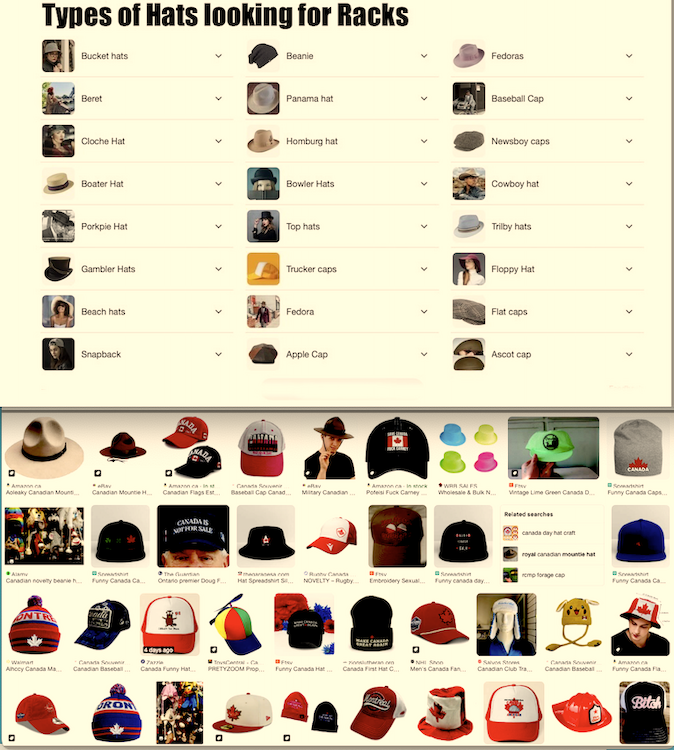
The message was clear. Canadians were tired of having no place to hang their hats—whether they be trucker hats, toques, hijabs, bowlers,beach,hockey,ball & hard hats, or ceremonial head toppers. “We are a nation of many hats,” one op-ed in the Globe and Mail declared, “and it’s high time Ottawa recognized our collective cranial fashion diversity.”
To assure Canadians he wasn’t ‘talking through his hat‘, Carney established the National Hat Rack Initiative—the crown of Carney’s newly hatched Industrial Strategy.
A Nation Debates Hat Rack Industrial Capacity
The question of where to build the hat rack manufacturing plants quickly became the most divisive issue since pipeline politics. Each of the ten provinces and three territories demanded a fair share of the new “hat rack manufacturing and innovation clusters.”
Alberta wanted “traditional, rugged, western-style racks woven from sustainable tumble weeds.” Quebec insisted on “artisanal racks with cultural flair and optional fleur-de-lis finials.” Newfoundland demanded “weatherproof wall hooks” for sou’wester hats.
Prince Edward Island, with its limited landmass, offered to host “boutique, small-batch racks.” The Yukon lobbied for “smart racks” embedded with AI sensors to detect headwear type and offer temperature-adjusted hooks.
The negotiations were so delicate that Carney established a new ministry—the Department of Equitable Hat Rack Distribution and Allocation (DEHRDA)—to mediate.
Energy Quotas and the Hat Rack -Power Debate
But trouble loomed on the energy front.
Hat rack factories, it turned out, were surprisingly power-hungry—especially the ones designed to integrate with Canada’s growing network of AI data centres. The so-called “smart racks” could suggest hat care routines, forecast expansion rates for narcissists ,recommend rackish angles and issue polite reminders to place hat back on rack with care.They also would come equipped with fun house mirrors ,adjustable backstage make up lights and a device charger.
This put them in direct competition with tech giants for scarce energy resources. Provinces with abundant hydro or wind power were reluctant to share. British Columbia’s premier was quoted as saying, “If Alberta wants smart hat racks, they can plug them into their yet to be approved wind turbines!
The federal-provincial talks stretched for weeks. Acronyms multiplied faster than hats at a Stampede parade. The “National Energy for Hat Rack Allocation Plan” (NEHRAP) was announced, delayed, scrapped, and re-announced under a new name: the Great Dominion Hat Rack Energy Accord.
A Great Dominion Compromise Takes Shape
In the end, compromise prevailed, as it sometimes does in the Great Dominion.
Each province and territory would receive one flagship hat rack plant, (with Alberta and Quebec receiving two because they are such incessant whiners,) otherwise proportional to population and adjusted for private profit with tax dollar backing. The factories would be powered by a shared energy pool, managed by a central foreign owned AI known simply as The RACK (Resource Allocation Computational Kernel).
When Carney stood before Parliament to announce the deal, he called it “a model for cooperative federalism and a compromise all Canadians could ‘hang their hats on!”
And so, the Carney government gave Canadians something they could truly hang their hat on…rack it up to public pressure and clever diversionary tactics demanded of the time.
The National Hat Rack Initiative became an industrial policy and a metaphor for the Great Dominion itself which eludes all thoughtful folks to this day!
Pierre Poilievre carries on his Rotter reputation with recent remarks.(rotter: slang, a despicable fellow; cad, bounder)
Excerpted from National Post article of October22/25
During Conservative leader Pierre Poilievre’s YouTube interview with Northern Perspective, the hosts asked Poilievre how he would handle scandals such as the ones that marked some of Trudeau’s time in office.
“Many of the scandals of the Trudeau-era should have involved jail time,” Poilievre said, adding “Trudeau broke the Criminal Code when he took a free vacation from someone with whom he had government business,” referring to the former prime minister’s 2016 vacation to the Aga Khan’s private island, which resulted in a ruling from the federal ethics commissioner that he broke the rules.
Poilievre went on to say that, “if the RCMP had been doing its job and not covering up for him, then he would have been criminally charged.”
The Conservative leader added that Trudeau “probably” broke the Criminal Code when it came to the SNC-Lavalin affair, where the federal ethics commissioner later ruled that he broke the rules by trying to influence his attorney general at the time, Jody Wilson-Raybould.
“The leadership at the RCMP is frankly just despicable when it comes to enforcing laws against the Liberal government,” Poilievre told the hosts.
Court Painter prefers to spend his time painting in his studio, absorbed in the gritty matters that define his life and work—firmly grounded in the physical, somatic materiality of his artistic practice. More often than not, he remains blissfully oblivious to the digital disasters that plague the hustle and bustle of the 21st century.
This issue of the cloud, however, cannot be ignored!
When a technical issue disrupted operations at servers stacked in Amazon-owned warehouses in Northern Virginia facilities on October 20/25, it was enough to temporarily crash the internet for users around the world.The incident marked at least the third time in the past five years that Amazon Web Services’ Northern Virginia facilities contributed to a widespread internet outage. This time, more than 1,000 sites and services were affected, according to Downdetector, costing companies an estimated hundreds of billions of dollars.
Throughout most of yesterday, the connective tissue of modern life seemed to be under threat—a reminder that the internet is physical, fallible, and heavily reliant on just a few massive companies.The modern web owes that fragility in part to the cloud.
From The Atlantic Daily,October 21/25
A Domino Effect
Everything is in “the cloud” now, except the cloud is a real place, and it’s in Northern Virginia. Rows and rows of servers stacked in Amazon-owned warehouses across Ashburn, Haymarket, McNair, Manassas, and Sterling make up a chunk of the infrastructure for the modern internet—equipment as crucial as railway tracks and the electric grid. When a technical issue disrupted operations at those facilities yesterday, it was enough to temporarily crash the internet for users around the world.The incident marked at least the third time in the past five years that Amazon Web Services’ Northern Virginia facilities contributed to a widespread internet outage. This time, more than 1,000 sites and services were affected, according to Downdetector, costing companies an estimated hundreds of billions of dollars. Venmo users were locked out of their payments, and international banks experienced major blips in their service. People struggled to book urgent doctor appointments and couldn’t access their Medicare benefits. Snapchat and Reddit were down, as were Instagram and Hulu. Ring paused their doorbell cameras; ChatGPT stopped answering. (Some unfortunate customers of Eight Sleep, which sells AI-powered, temperature-changing mattresses, woke to bright strobe lights or an “absolutely freezing” bed, per testimony on X.) Throughout most of yesterday, the connective tissue of modern life seemed to be under threat—a reminder that the internet is physical, fallible, and heavily reliant on just a few massive companies.The modern web owes that fragility in part to the cloud. In the pre-cloud age, setting up a website meant buying physical servers, procuring software licenses, and writing foundational code from scratch. This DIY process was both extremely expensive and time-consuming. The basic proposition of the cloud is What if you didn’t have to do any of that?Amazon and its competitors own the servers and prewrite the code so customers don’t have to. When developers lease infrastructure from cloud providers, they get to leave the cumbersome work of maintenance to someone else.The trade-off is ownership for accessibility, up-front costs for monthly fees—and it has proved extremely attractive. Adoption in the corporate world has been nearly universal. Amazon spearheaded the rush to the cloud in the late 2000s, when it began building the warehouses that now house much of the modern internet. Thanks to that first-mover advantage, it still dominates today: Amazon controls an estimated 30 percent of the global market for cloud computing, while its competitors Microsoft and Google have captured 20 and 13 percent, respectively. Because the actual servers are consolidated under a handful of companies, so are the potential points of failure—not to mention the profits.Unlike the highways that crisscross the United States, which are built and maintained by government programs, physical data conduits are built and maintained by corporations. The internet is often understood as a free and open resource, but it is controlled by a small group of digital landowners. Last July, a single cybersecurity firm caused an internet-wide meltdown that grounded planes and interrupted financial services around the world. Jonathan Kanter, a former top antitrust regulator in the Biden administration, told me such disruptions help “society understand the magnitude of the power, the magnitude of the reach” that certain companies have. “It doesn’t just affect one commercial interest—it affects the entire country.”Amazon’s dominance is compounded by the nested structure of the internet: One hyperlink leads to another, which leads to another, which at some point probably leads back to Amazon. An issue with Amazon’s Virginia servers might affect Amazon products globally and any websites that interact with Amazon-backed services; a business that doesn’t rely on Amazon for its services might still be entwined with another business that does.There are ways out of the centralization trap, but they come with their own problems. Rumble, the streaming service that has become a home for those deplatformed elsewhere, has an AWS alternative of its own. The issue is that Rumble is also linked to inflammatory right-wing causes that could potentially pose reputational risk for major companies looking to use its cloud services. Urbit, another attempt at decentralizing the internet that has generated buzz over the past few years, was founded by the software developer and far-right provocateur Curtis Yarvin, who has openly advocated for an American monarchy. No truly decentralized alternative has so far come close to the scale of AWS, which has dramatically outspent and outperformed its competition. And at this point, new challengers may find it too hard to catch up.True decentralization is also incredibly difficult to achieve, in cloud computing and beyond. Consider crypto, a form of digital currency originally designed to deliver freedom from the centralized authority of banks and governments. That was the idea, anyway—in practice, this roughly $4 trillion industry is very much beholden to the centralized internet, as well as to Wall Street and Congress. Coinbase, which also went down yesterday amid the AWS outage, is in some ways the antithesis of what crypto’s libertarian thought leaders imagined: Like many other crypto companies, it discovered that centralization is the price of doing business.Amazon doesn’t publicize the existence of its Virginia data centers, and most customers may not even know they exist. But as the steward of the internet, the company has accrued an enormous amount of influence over our lives: how we access our money, how we seek medical help, even how some people get a good night’s sleep. Tech outages happen—but under our current system, a bad day for Amazon can be a bad day for everyone.Related :The CrowdStrike failure was a warning. (From 2024) Crypto’s core values are running headfirst into reality. (From 2022)
This has nothing to do with the story however Court Painter wants eveyone to know Tina Fey touched his painting arm during their cloud painting session!
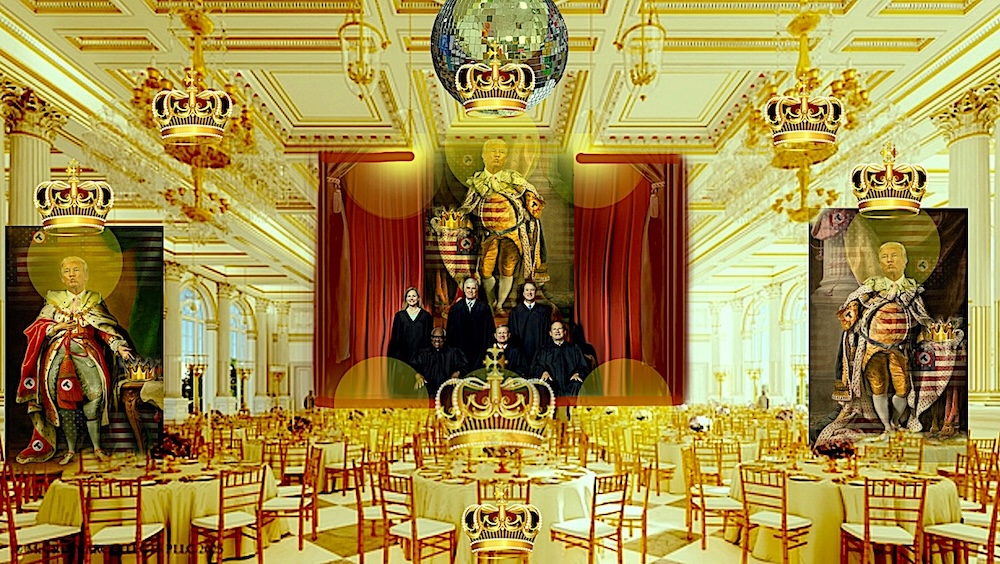
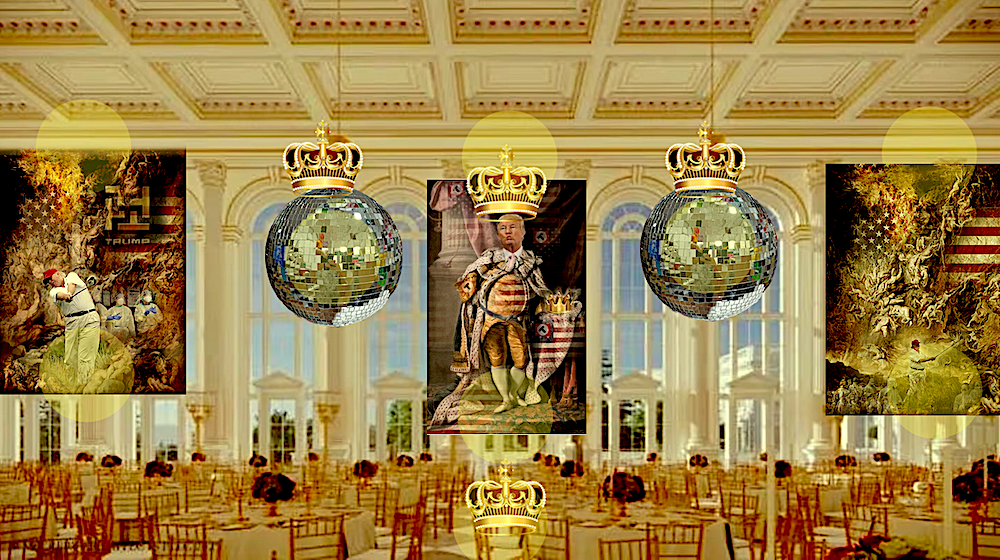
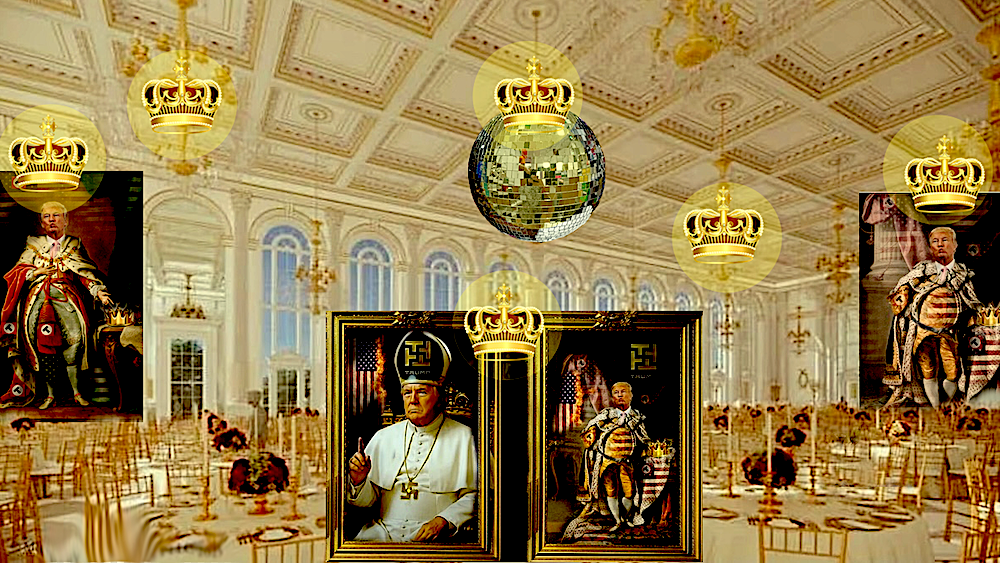
Trumps Architecturally Crass Kingly Yearning better known under the acronym TACKY.
Renderings show President Trump’s TACKY White House ballroom construction details
The Trump administration announced in July that a 90,000-square-foot TACKY ballroom with a seated capacity for 650 people will be constructed in the White House’s East Wing. White House press secretary Karoline ‘Lips’ Leavitt said the project would be paid for by private donors and the ‘ahem’ president himself, who has committed to disclosing donors’ names upon his death bed.
Trump also announced that his favorite artist,Court Painter has been chosen to add class to the interior with large scale portraits of Donald J Trump and embellishments, financed by members of the MAGAMonarchist Society.
The new ballroom will be significantly larger than the main White House building and is reported to feature mirrored disco balls overhead and an interior that reflects Trump’s ornate interior preferences, with gilded crowns,Beaux Arts columns and a detailed chamfered ceiling.
Complicit corporate and individual ball room dancing fan donors have pledged nearly $200 million to cover construction costs. Google, R.J. Reynolds, Booz Allen Hamilton, Lockheed Martin, Palantir and NextEra Energy have donated, sources told CBS News, and so have firms in the tech, manufacturing, banking , health industries as well as assorted grifters close to the president.
Please note:It will require an amendment to the Municipal Development Plan, which awaits a formal application from the developers. A zoning change will also be necessary, but the primary issue remains the Municipal Development Plan, which must be addressed before any rezoning can occur.
Canmore Alberta is a resilient and vibrant community socially, economically, and environmentally, committed to the diversity of its people and health of the mountain landscape.
This land is our land….
A hotel and spa has been proposed for 18 acres of public land next to Rundleview and Spray Lakes Road (see map). This land is currently designated and used for community recreation. Canmore Town Council approval of this development will take land away from the community and put it into the hands of for-profit developers.
This land is wildlife’s land….
This land is adjacent to a designated wildlife corridor and habitat patch, and is used regularly by elk, deer, bears and coyotes. The proposed hotel and spa development would have adverse impacts on wildlife.
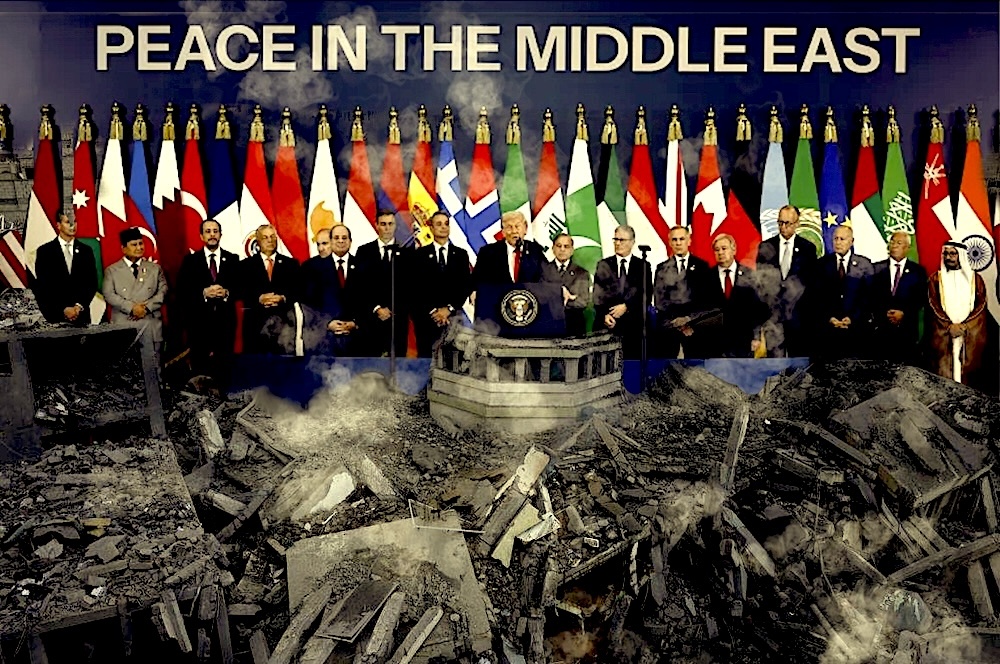
Court Painter tasked the resident studio scribe, Chatterley Genderless Pernicious Thunderbuns (ChatGPT), to craft a modern tale based on a Politico text report—transmuted into a cycle of Shakespearean sonnets, each retelling a portion of the recent chaotic Gaza Peace Summit episode as if performed on a Bard-themed karaoke night.
Presented for the reader’s pleasure: five sonnets, a diplomatic pageant in verse.
I. The Summons
From far and near they sped on hasty wing, Those lords of state to Egypt’s sunburnt shore; Late summons’d by a golden trumpet’s ring, To seek peace where none had found it before. Yet Donald who call’d them tarried still afar, In Zion’s halls where flatterers held him long; He prais’d their words, and linger’d for their star, While others toil’d in waiting, weak yet strong. Four hours crawl’d by like pilgrims in the sand, Ere came the king whose tongue could charm or chide; But absence wrought what presence ne’er had plann’d— The talk was free, unmask’d of courtly pride. Thus chance became the midwife of accord, And silence broke the scepter of the lord.
II. The Council by the Sea
Within one chamber lock’d from worldly din, A circle form’d of East and Western might; Carney among them, calm of brow and chin, Did trade in words more sharp than steel in fight. Beside him sat Britannia’s measured heir, And to his right Arabia’s desert son; Across, stern Turk did stroke his jet-black hair— The globe compressed, yet all as though made one. No whisper’d scrolls, no aides to steer their speech, No gilded pens to soften truths’ descent; They spoke as men whom ruin’s flame did reach, And sought, not praise, but earth’s beleaguer’d scent. What six months’ pomp could scarce in shape compose, Was born that day when protocol did doze.
III. Of Trump’s Arrival
At last Donald came—the tardy architect, Whose walls of will outshone his kingdom’s stone; He found the plan near whole, though he’d neglect, And claim’d the crown for labors not his own. Yet none reproach’d, for peace was hard to win, And even jesters help when tempests roar; The air grew thick with promises and spin, As trumpets blared along the Red Sea shore. “Behold,” quoth he, “how swiftly progress runs!” Unknowing, or uncaring, of delay; While those who wrought beneath the desert suns, Smiled faintly, letting vanity have play. For oft the gods by irony are kind— They grant success, and leave the proud behind.
IV. The Press Excluded
But lo, no heralds told the world these deeds, For Canada’s own scribes were bid to stay; Their pens, once free, were fetter’d by new creeds, That veil’d the path of truth in dusk array. The Gallery cried foul across the land: “What worth hath power if unseen it reigns? Our quills must trace where statesmen set their hand, Lest freedom fade and silence bind the chains.” So echo’d forth the plea from ink to sky, That light attend the halls where rulers scheme; For democracy dies not with sword, but lie, When access wanes and shadows choke the schemes. O Canada, whose conscience once was clear, Let not thy press be gagged by misplaced fear.
V. The Aftermath
And thus the tale concludes beside the sea, Where chaos bred the order men desired; No peace was signed, yet hope began to be, In tempers cool’d and humbled hearts inspired. Carney declar’d with measured voice and tone, To heal, to guard, to succor, and to mend; While distant nations sent their greetings shown, In long lists read from margin unto end. Yet still the challenge sleeps in Gaza’s night, Where guns outshout the diplomat’s decree; And though the stage was bathed in golden light, The final act awaits humanity. For peace, like dawn, delays its full release— Politics talks of progress, yet profits more from peace.
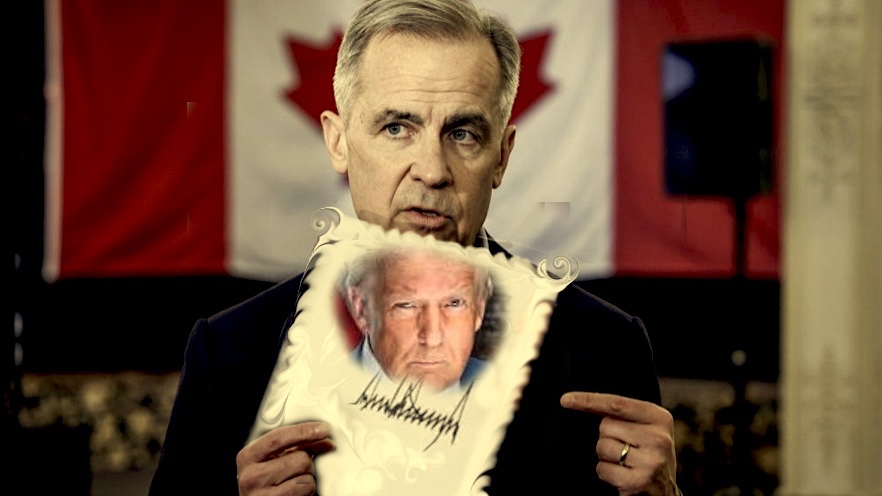
“The longstanding tradition of displaying loaned artworks in the offices of the Prime Minister and the official residence highlights Canada’s commitment to celebrating its artistic heritage,” explained PCO spokesman Pierre-Alain Bujold in an email.
“These spaces feature Canadian artworks that invite distinguished guests, dignitaries, and world leaders to experience the country’s rich diversity, history, and identity,” he added.
Upon hearing the news and demonstrating typical modesty, Court Painter expressed pleasure that visual artists were being recognized by Prime Minister Carney and received the news that his own work was not chosen with humility and deference.
Not so his Press Attaché and Marketing Guru, A. Hardon MacKay, however—he is reportedly steaming and went crackers upon hearing of the glaring omission,turning the air blue!
That’s all we know at this time.
However, as a public service, The Court Painter Studio Enterprise presents a selection of portraits of the Prime Minister that were, regrettably, overlooked.
an attitude or feeling of victory or superiority: such as a the attitude that one religious creed is superior to all others b smug or boastful pride in the success or dominance of one’s nation or ideology over others
Merriam- Webster Dictionary
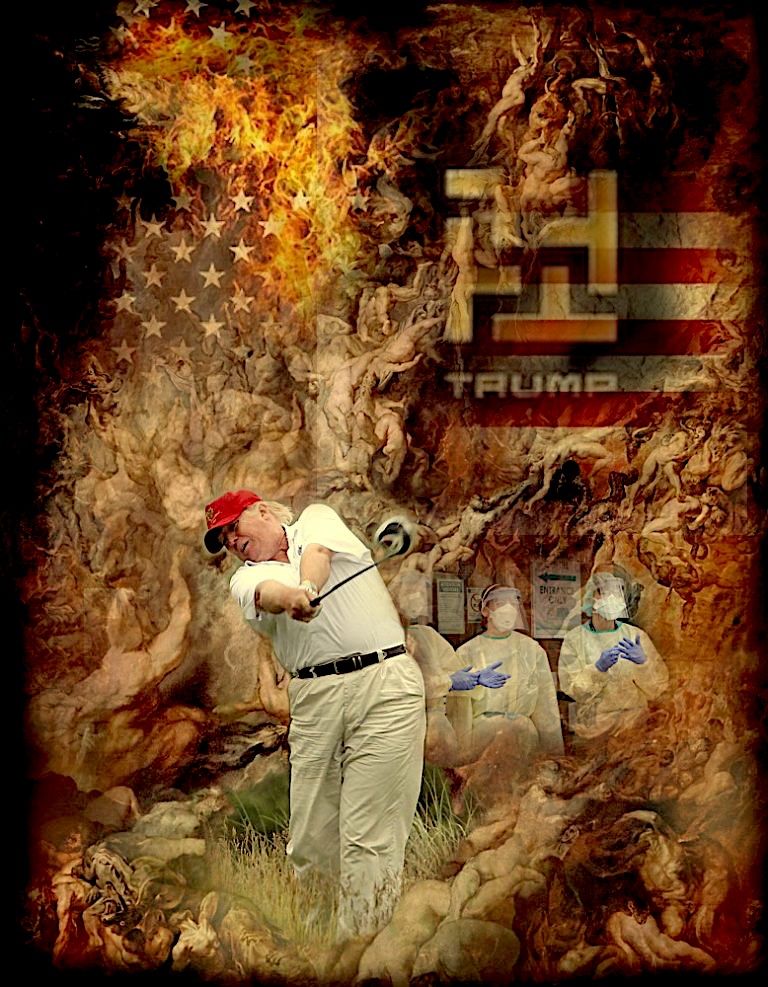
Trumphalism
noun Trump-hal· ism
Synonyms of Trumphalism
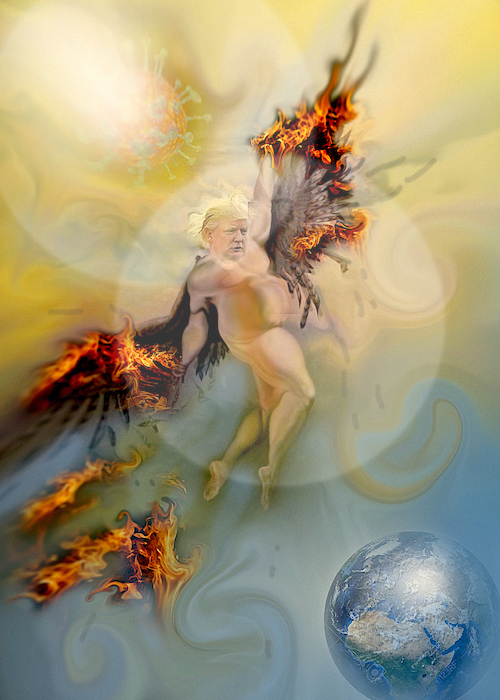
a certainty or feeling of Trump victory and superiority: such as a the certainty that Trump is superior to all others b smug or boastful pride in the grifting success and cruel dominance of Trump’s ideology over others c ability to remove the moral spine of media, commentators, tech, governments (domestic and foreign), judicial leadership, and millions of voters d bask in the celebrity spotlight as an authoritarian, criminal, fabulist, philander and fat bastard