It is with much shock and sadness that word was received of the passing of John Will, who died peacefully on Wednesday, July 15 after many months of declining health. As many of you know, John willingly and with good humour and stylish grace accepted and played the performative digital role of Court Painter for the past 14 years.
His loss is felt not only by me personally AHM, his long time friend and artistic partner on the CP project, but also by the many family members, friends, and art world colleagues who had the good fortune to know such a generous creative spirit, influential artist and teacher.
Future Court Painter postings will be put on hold out of respect for John. However, knowing him as I do, I am confident that even in his absence, he would encourage future posts to continue in the digital studio he so artistically and fashionably occupied.
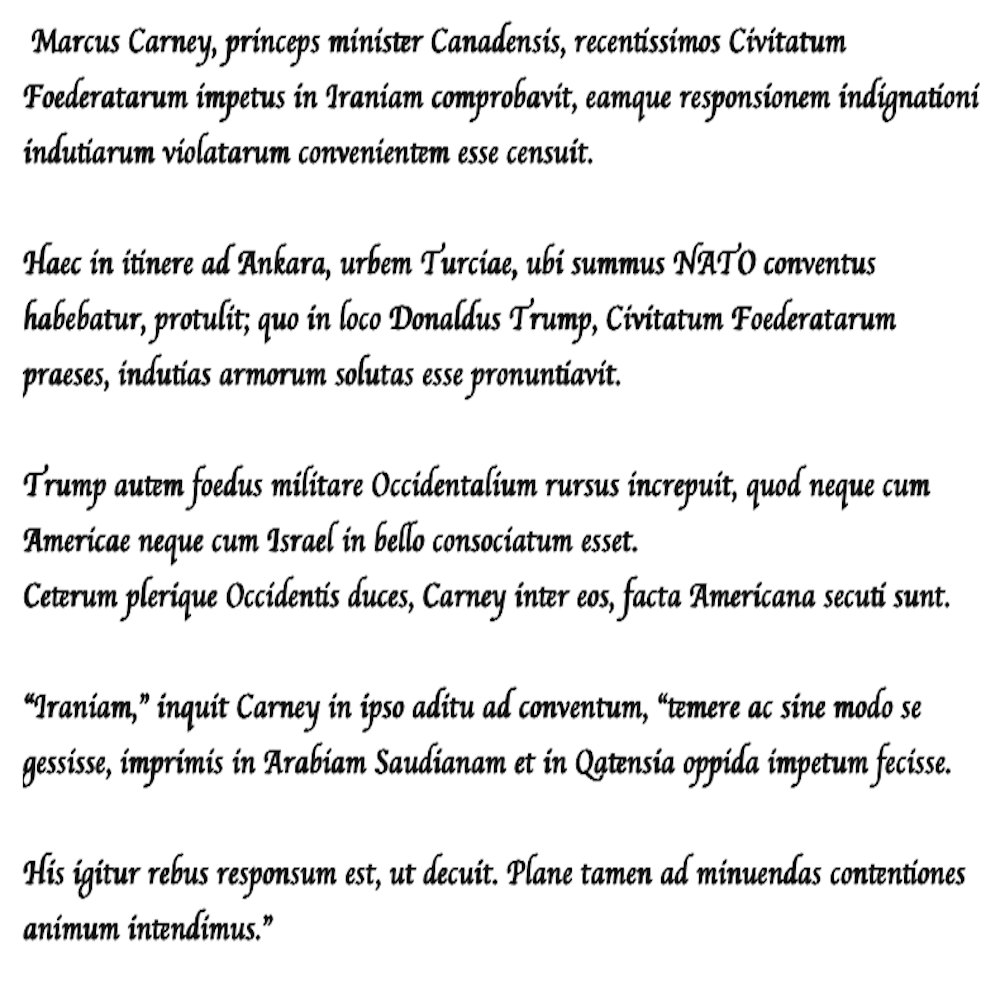
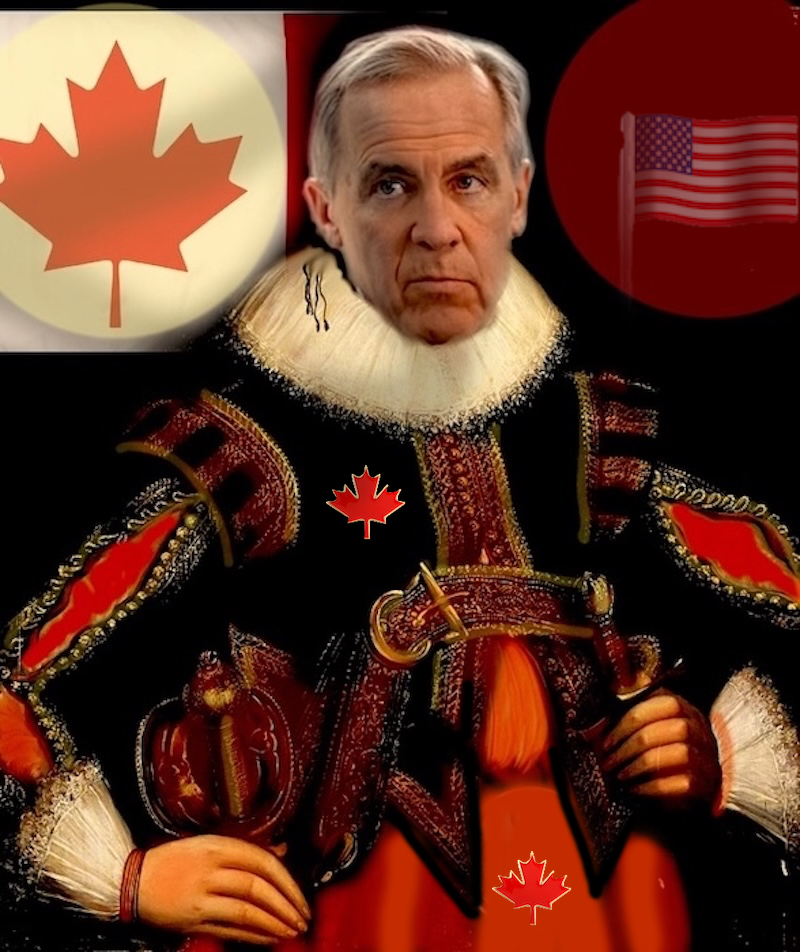
A classically styled Latin version of Prime Minister Carney’s remarks made on the way into the NATO summit in Ankara, Turkey; were rendered in the periodic prose style characteristic of Golden or Silver Age Latin and produced by Dee P S Eek Quaesitor (DeepSeek), the resident Latin scholar of the Court Painter Studio.
The reason for undertaking this Latin translation was not disclosed at the time of this posting, though one may surmise that the prime minister’s message, in whatever language it appears, could be seen, alas, as yet another tilt of support toward U.S. belligerence.
–
–
Prime Minister Mark Carney has backed the latest U.S. strikes on Iran, calling it an appropriate response to ceasefire violations.The remarks were made on the way into the NATO summit in Ankara, Turkey, where U.S. President Donald Trump declared the ceasefire over.Trump again bashed the Western military alliance for not joining the U.S. and Israel in the war.For the most part Western leaders, including Carney, lined up behind the U.S. action.
“Iran had been acting irresponsibly, attacking Saudi and Qatari targets particularly,” Carney said on his way into the summit. “There has been a response, as appropriate. Obviously, we look to de- escalation of hostilities.
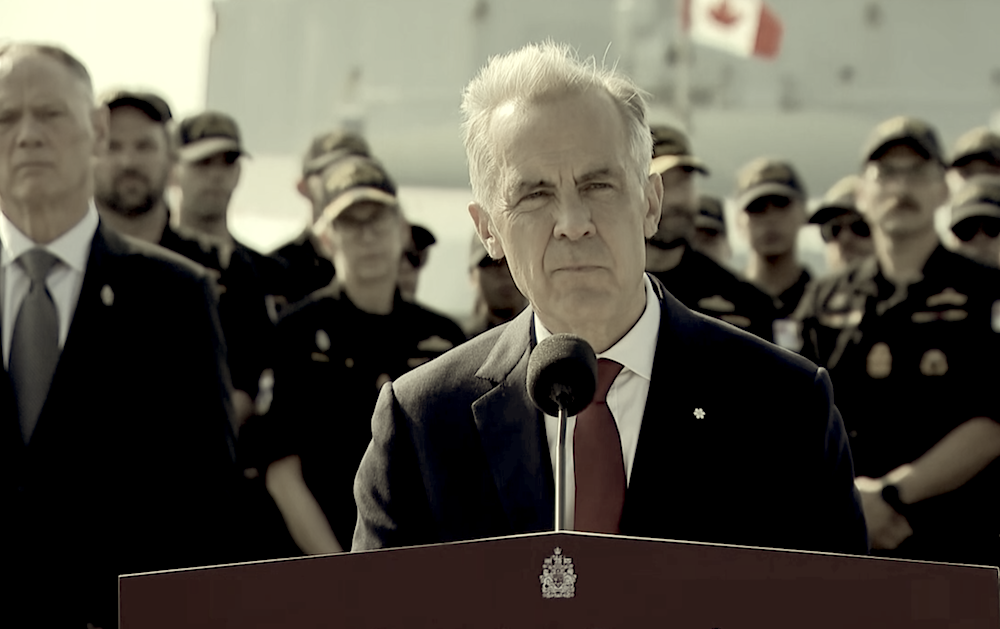
Carney chooses German submarines for Canadian navy fleet
Contract expected to be worth $100B over its lifetime
German shipbuilder ThyssenKrupp Marine Systems (TKMS) is Canada’s preferred choice to build the navy’s new fleet of submarines — a multibillion-dollar defence program that is expected to be the largest in the country’s history.
Prime Minister Mark Carney’s announcement dockside in Halifax on Monday put an end to long-running speculation about the future of the highly contested program which will determine the navy’s future for decades.
Source CBC News July 6/26
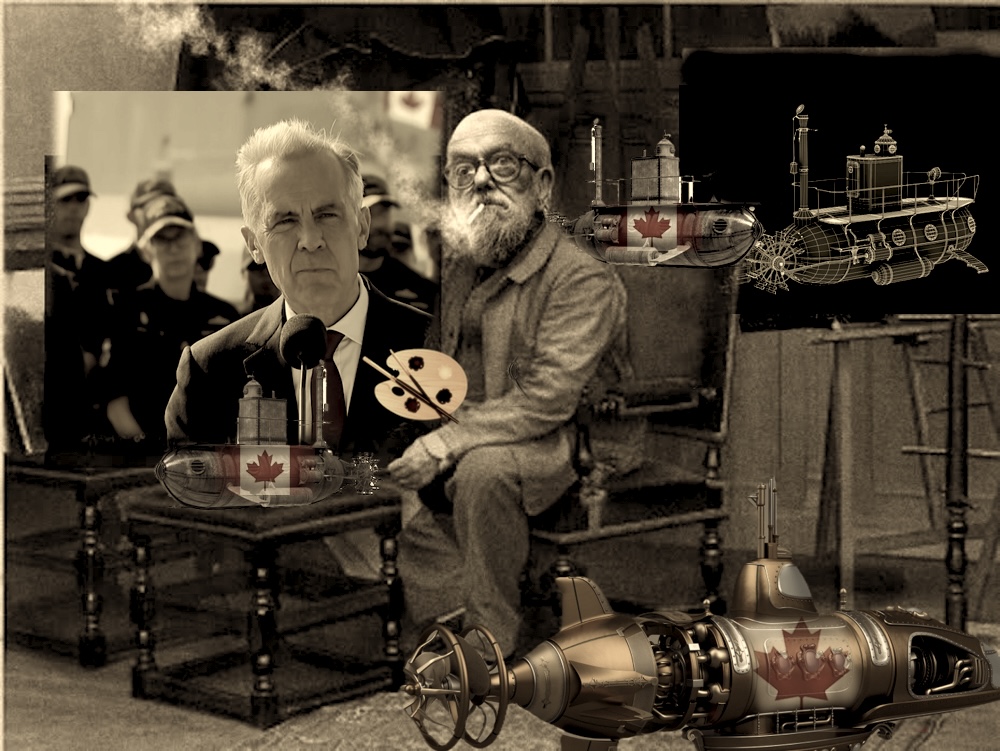
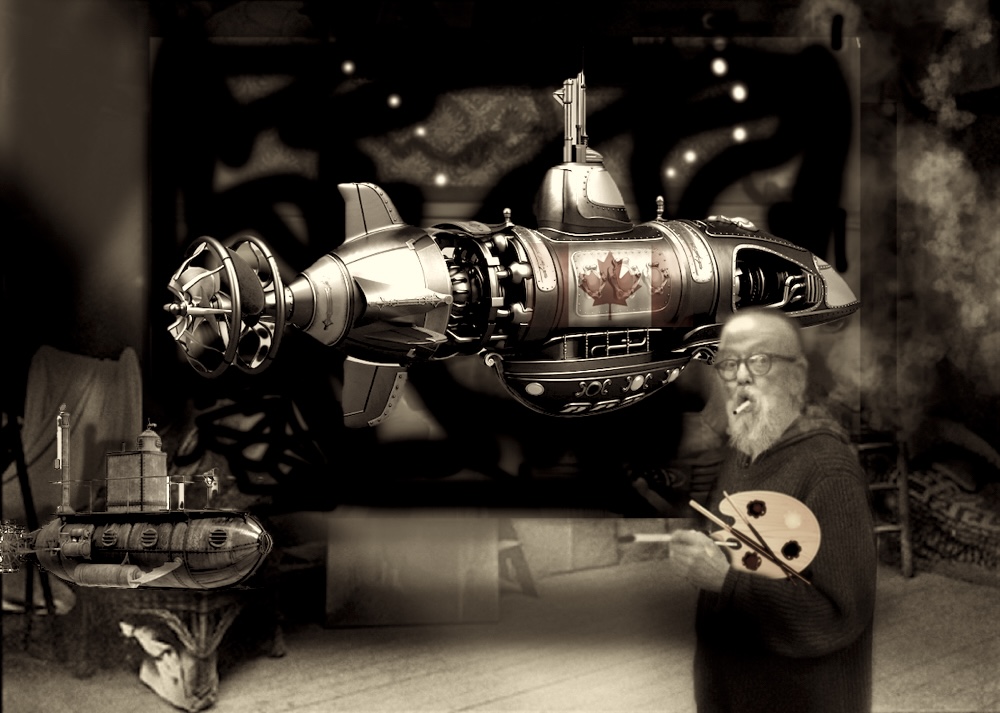
Upon hearing the news of Canada’s immense financial and strategic bet on investing in a new fleet of 12 submarines : Court Painter engaged Euria and DeepSeek in flushing out the downside of this decision in the face of rapidly changing war technologies.
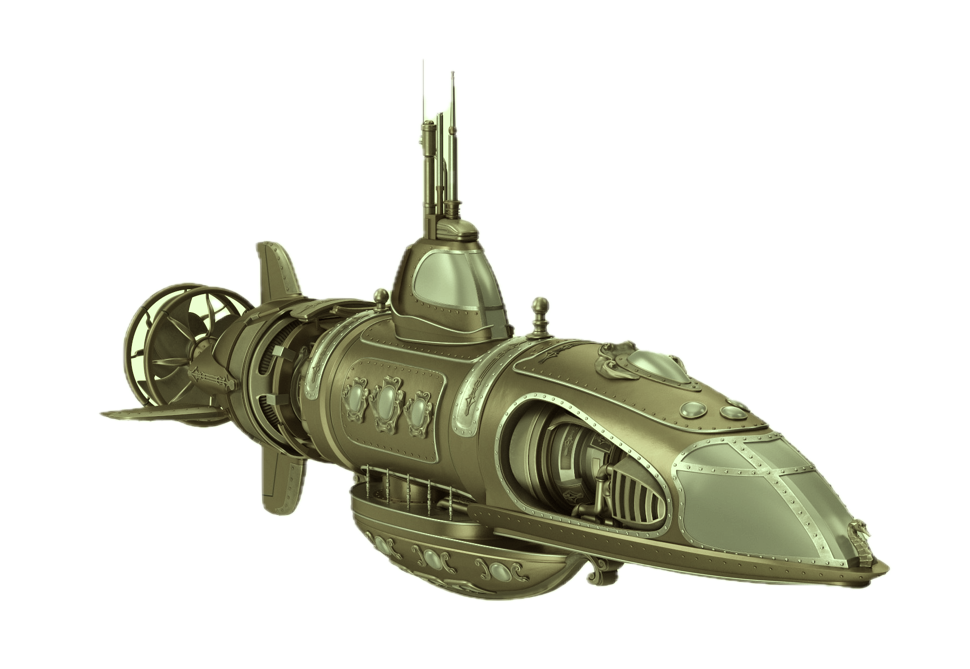
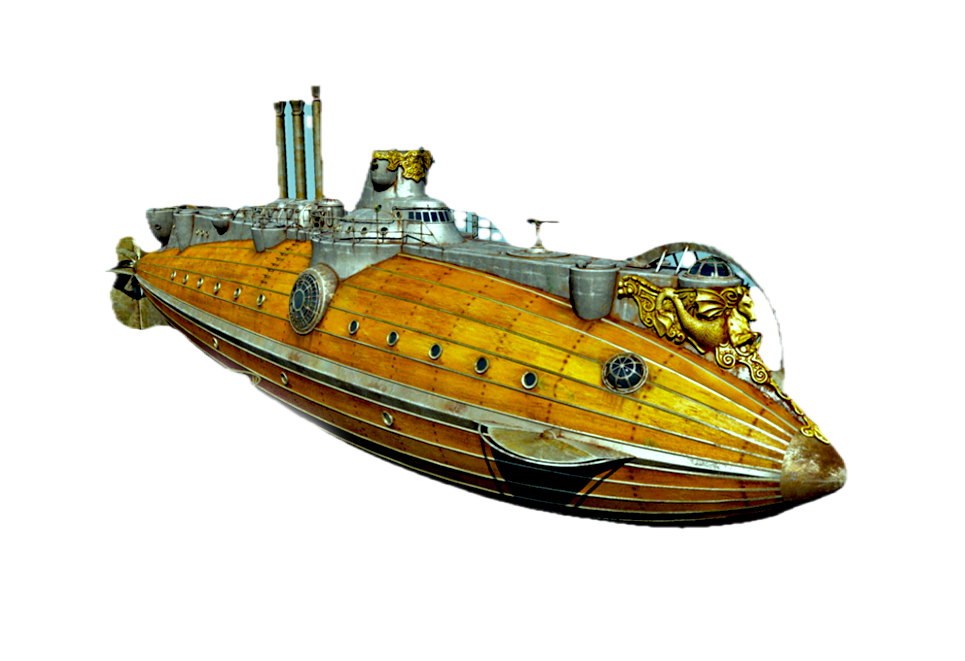
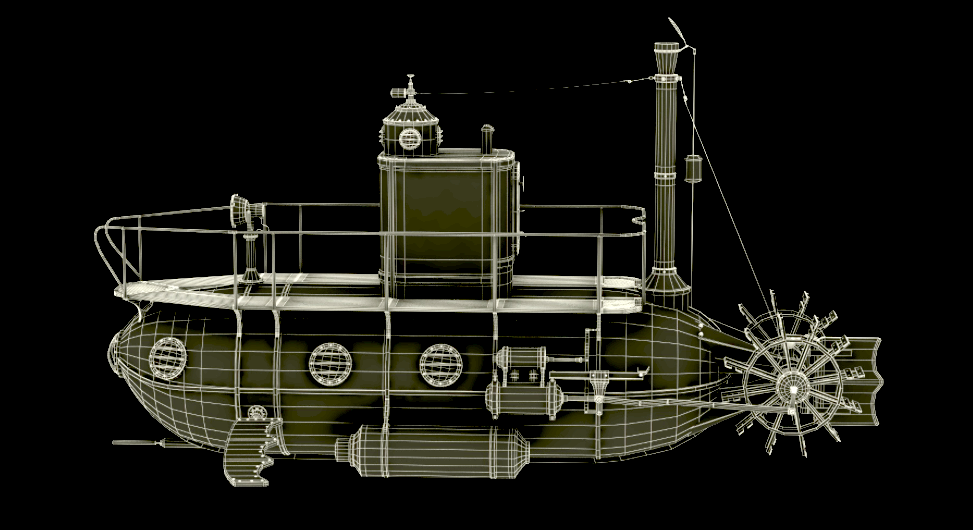
Court Painter has taken the liberty of introducing some of his favourite submarine designs which he hopes will be given consideration should this contract proceed in spite of the criticism particularly from the unmanned aqua-drone lobby!
–
EURIA Infomaniak was asked to outline the downside of investing in a submarine fleet in the face of changing war technologies.
Investing heavily in a traditional submarine fleet faces significant downsides given the rapid evolution of modern warfare technologies, primarily due to the diminishing element of stealth.
The most critical vulnerability is the dramatic improvement in anti-submarine warfare (ASW) capabilities, including advanced passive and active sonar networks, satellite-based ocean monitoring, and unmanned underwater vehicles (UUVs) that can patrol vast areas continuously. These technologies are eroding the historical advantage of submarines as “silent hunters,” making it increasingly difficult for them to operate undetected without massive, continuous investment in next-generation acoustic quieting and countermeasures.
Furthermore, the opportunity cost is substantial; the billions required to build and maintain a modern fleet of diesel-electric or nuclear submarines could be redirected toward more versatile or cost-effective systems like drone swarms, cyber warfare capabilities, or long-range precision strike platforms that may offer a better return on investment in a conflict characterized by distributed, networked warfare.
–
Finally, the high cost of ownership and the long lead times for construction mean that a fleet commissioned today might be technologically obsolete by the time it becomes operational, unable to counter the new threats that have emerged during its development cycle.
While submarines remain a potent deterrent, the trend suggests that a balanced approach integrating them with other technologies is more prudent than a heavy, singular reliance on them.
–
DeepSeek answered the same question as follows:
Investing in a submarine fleet involves significant strategic trade-offs, particularly when viewed against the backdrop of rapidly evolving military technologies. The primary disadvantages typically fall into cost, vulnerability, and strategic relevancy.
Enormous Financial and Industrial Burden The lifecycle cost is often the most prohibitive factor. Nuclear submarines (SSNs/SSBNs) require massive upfront expenditure for reactor development and specialized materials, alongside extensive industrial infrastructure that few nations possess. Conventional (diesel-electric) submarines are cheaper to buy, but they still require complex maintenance cycles. More critically, the “opportunity cost” is substantial; funds allocated to a small number of submarines typically mean fewer resources for other high-tech assets like unmanned systems, cyber warfare, or space-based surveillance, which might offer more immediate tactical flexibility.
–
Vulnerability to New Detection Methods The traditional advantage of submarines—stealth—is under increasing pressure. Advances in Quantum Sensing and Non-Acoustic Detection (such as detecting magnetic anomalies or the subtle wake a submarine leaves) threaten to make the oceans more transparent. Furthermore, the proliferation of Unmanned Underwater Vehicles (UUVs) and persistent seabed sensor networks means that vast areas can be monitored without risking manned assets. In a high-intensity conflict, once a submarine is detected, its slow submerged speed relative to aircraft or torpedoes makes it highly vulnerable, as it often lacks the speed to outrun modern lightweight torpedoes.
The “Achilles’ Heel” of Communication Submarines operate in an environment that inherently blocks electromagnetic signals. To receive orders, they must either surface, raise a communications buoy, or tow a long antenna array, all of which increase the risk of detection. In a future war characterized by rapid, AI-driven decision-making and swarming tactics, the inherent latency in communicating with a submerged submarine creates a significant tactical lag. This makes it difficult to integrate submarines into a “joint all-domain” kill web compared to surface ships or drones.
Technological Obsolescence and Crew Constraints Given that submarine programs often span 10 to 20 years from design to delivery, there is a genuine risk that the hull will be obsolete before it is even commissioned, particularly regarding onboard computing architecture and sonar processing. Additionally, the training pipeline for submarine officers and nuclear engineers is long and expensive. This creates a “human bottleneck,” where the force is limited less by hulls and more by the availability of highly skilled personnel. In contrast, autonomous systems offer the advantage of being expendable and operating without the physical limitations of a human crew.
–
Lack of Flexibility in “Grey Zone” Conflicts Submarines are powerful for strategic deterrence (nuclear) and anti-ship warfare, but they are generally less useful for the low-intensity conflicts common today, such as counter-piracy, humanitarian aid, or presence operations where visible force is required. Their singular focus on stealth and lethality makes them a less versatile investment compared to multi-mission surface combatants or long-range strike aircraft.
Ultimately, while submarines remain a critical component of a credible nuclear deterrent, their role in conventional warfare is threatened by the rising capabilities of unmanned underwater systems and advanced sensor networks. The strategic risk is that they may become “high-value, low-utility” assets in a future conflict, acting more as static strategic symbols than dynamic warfighting tools.
Albanians have been protesting daily against a planned luxury tourism project linked to Jared Kushner, Donald Trump’s son-in-law. In this interview, Albanian Prime Minister Edi Rama spoke with DW reporter Kate Laycock about the protests, AI and democracy.
–
Court Painter undertook to interpret portrait footage from the DM interview to highlight the character of leadership reflected in Albania’s Prime Minster Edi Rama’s responses…for what it’s worth.
–
As a special treat a series of CP portraits add to the distasteful brew.
Two amigos Canadian Prime Minister Carney & Mexican President Claudia Sheinbaum good-naturedly exchange cosplay gifts.
–
United States President Trump posing as a famous Emperoramius in the buff while gesturing an exaggerated amount of trust anyone should have in his word…period!
U.S. not renewing trade agreement with Canada and Mexico in ‘current form’
CUSMA (Canada United States Mexico Agreement) was negotiated during the first Trump administration to replace the North American Free Trade Agreement. The sometimes tumultuous negotiations served as an early test of Ottawa’s approach to the Trump administration but ultimately all three countries hailed the agreement as a success.
But Trump has continued to cast doubt on CUSMA’s future since his return to the White House and his embrace of a sweeping tariff campaign. He has called the agreement “irrelevant” and has said it may have served its purpose.
CUSMA remains in place unless one of the partner countries gives six months’ notice that it is pulling out. It’s unclear whether the Trump administration can take that action without the approval of Congress.
Trade negotiations between Mexico and the United States have launched but Ottawa and Washington have not started official talks yet
Source Canadian Press 2026-07-01
I Ching: Hexagram 41 (Decrease / Sun), Six in the Third Place, which explicitly states: “When three journey together, their number decreases by one. When one journeys alone, one finds a companion.”
Court Painter pointing out a reference about journeying in threes.