
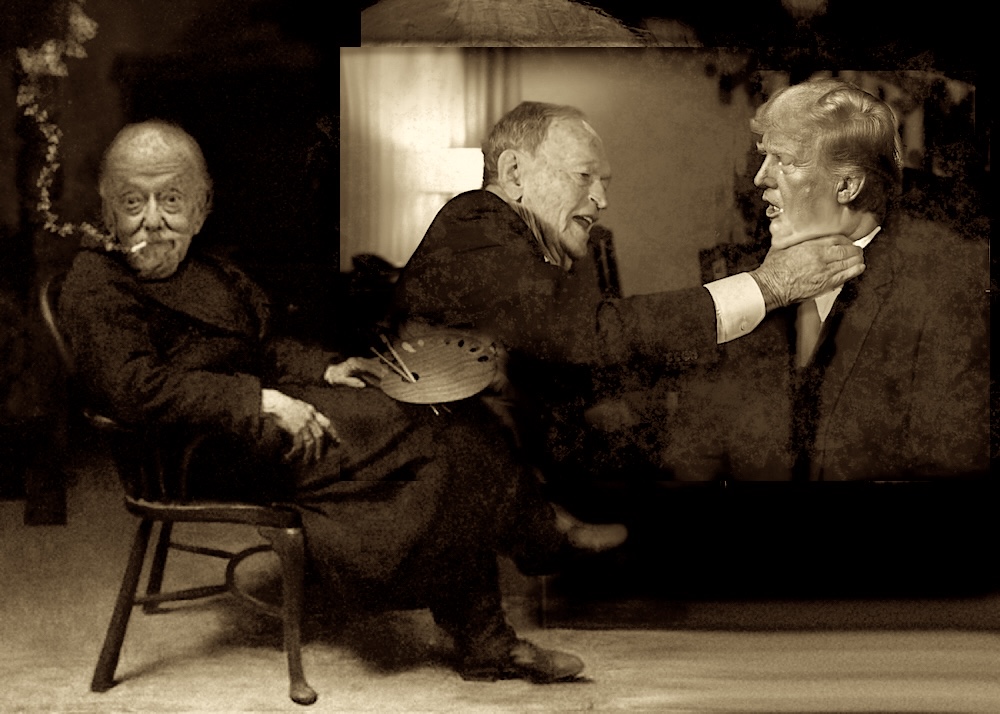
The Shawinigan Handshake in Canadian folklore is considered a chokehold at a chokepoint. Former PM Chretien demonstrates the manoeuvre on a southern neighbour.
Definition: A chokepoint is a narrow, strategic passage—such as a strait, valley, or bridge—that restricts movement and forces traffic (military or commercial) to pass through a single, congested area. It serves as a bottleneck that, if controlled or blocked, can halt flow, create hazards, or provide significant tactical advantages in warfare and geopolitics.
International sea route choke points of the world
Approximately 80% of global trade by volume moves by ship, much of it passing through narrow, high-traffic waterways known as maritime chokepoints. Disruption at any of these locations—whether from conflict, accidents, or environmental factors—can cause immediate spikes in energy prices and massive delays in global supply chains. Source:Al Jazeera +4
The Most Critical Chokepoints (2026 Status)
| Chokepoint | Primary Significance | Current Status (April 2026) |
|---|---|---|
| Strait of Hormuz | World’s most vital energy artery; ~20%–30% of global oil flows here. | Highly Volatile: Traffic collapsed in early April due to conflict. Iran has issued warnings against passage; US naval presence is active. |
| Strait of Malacca | Asia’s “trade superhighway”; handles ~40% of world trade and 80% of China’s energy imports. | Operational but Congested: Still the world’s busiest natural strait. Subject to piracy risks and regional geopolitical tension. |
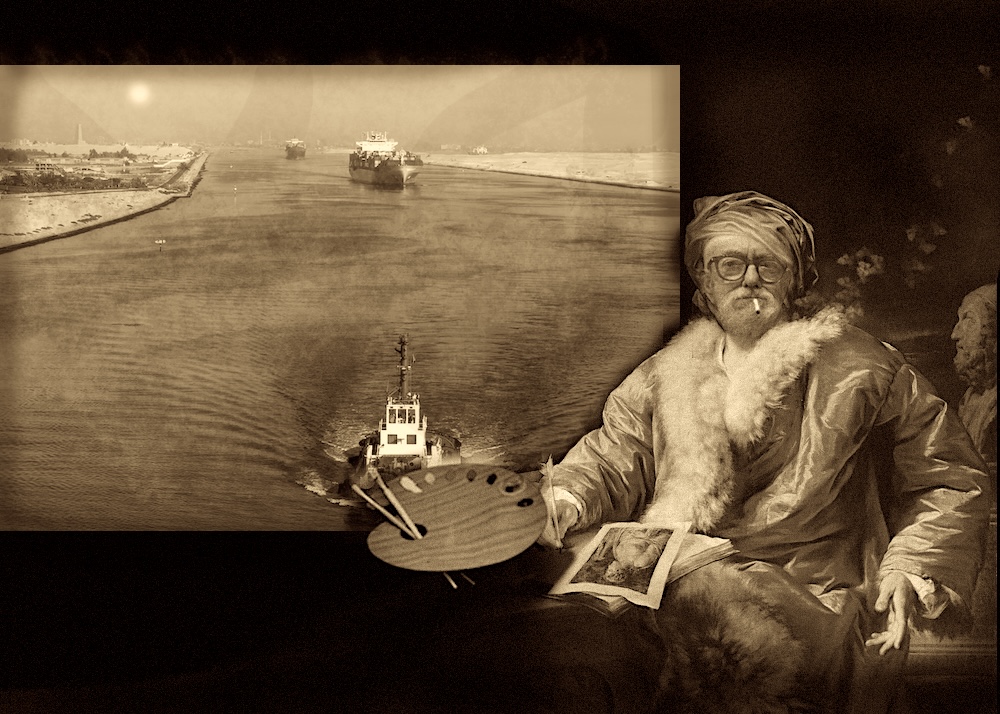
| Suez Canal | Artificial shortcut connecting Asia and Europe, shaving ~8,900 km off the trip around Africa. | Strained: Vulnerable to spillover from regional Middle East conflict. Significant container shipping has shifted to alternative routes. |
| Bab el-Mandeb | Gateway to the Red Sea and Suez Canal; crucial for trade between Europe and the Indian Ocean. | High Risk: Frequent drone and missile attacks by Houthi forces have forced major shipping lines to reroute. |
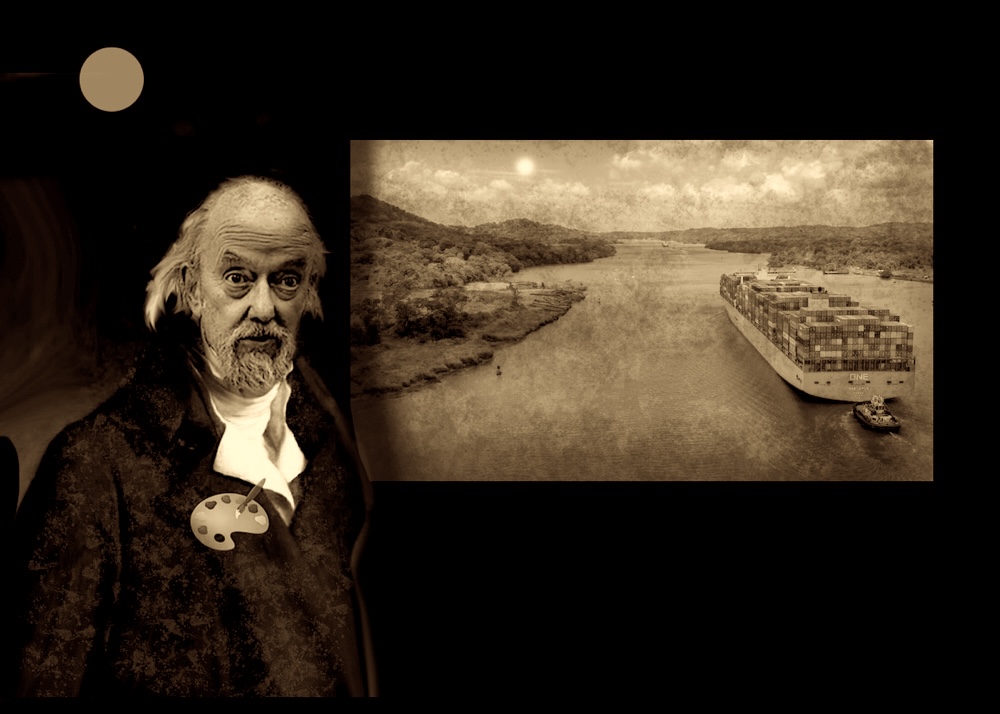
| Panama Canal | Critical link between the Atlantic and Pacific, handling 40% of all US container traffic. | Operational: Managing environmental challenges like drought, which periodically restricts transit slots and increases costs |
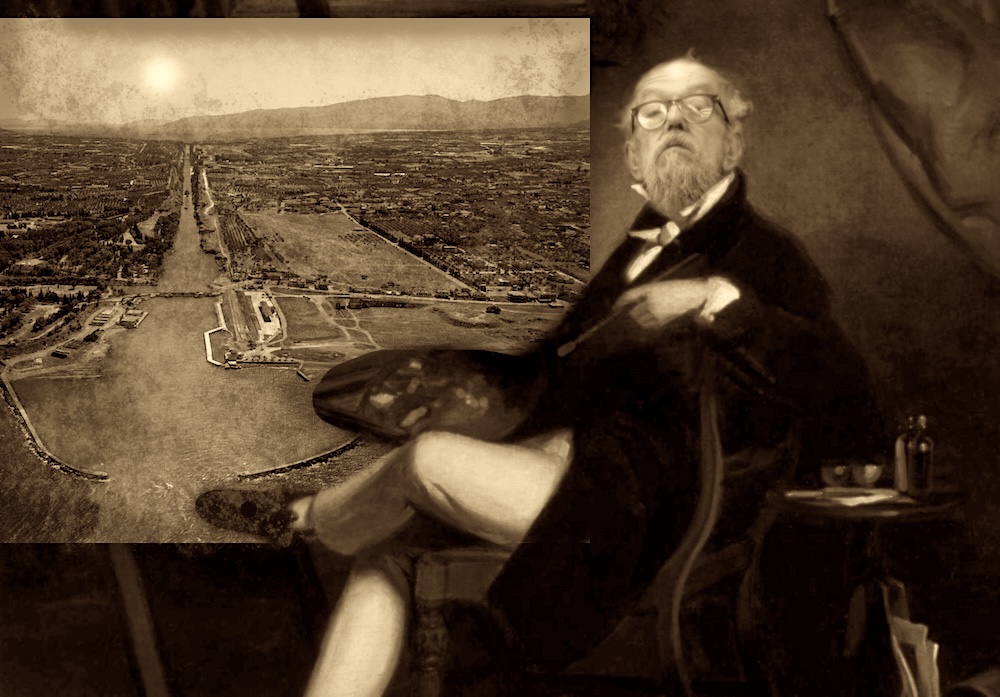
Court Painter captured all these chokepoints as monochromatic landscapes.

–

–
–
–
–