
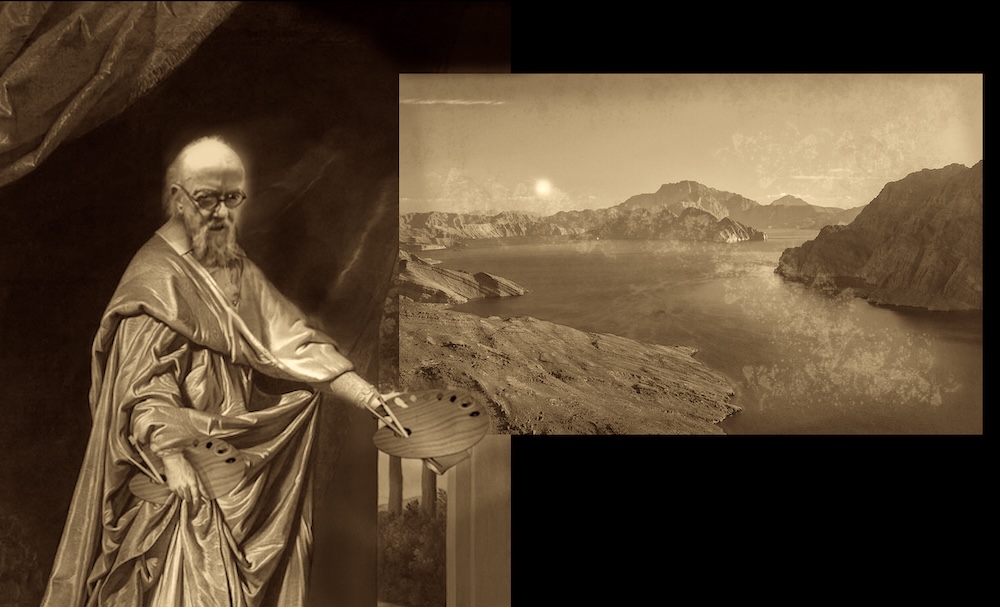
Court Painter with landscape “The Straight of Hormuz”
The biggest risk may no longer be escalation.
The biggest risk may be normalization — of instability itself.
For three months, most analysis has focused on military operations, ceasefires, negotiations, and whether a deal is finally within reach.
But what if the more important story is what happens as negotiations continue?
Instability itself may be becoming a source of geopolitical power — that could keep pressure on oil prices, shipping, inflation, and global politics long after any agreement is signed.
Prof Robert Pape from Escalation Trap
Link to article added on June 1
The central issue is no longer whether escalation occurs.
The central issue is whether instability becomes self-sustaining.
If instability continues generating leverage, shaping negotiations, fracturing alliances, influencing energy markets, and creating recurring opportunities for military action, then the future of the Iran war will not be defined primarily by whether negotiations succeed or fail.
It will be defined by whether instability itself becomes durable.
If that happens, the most important legacy of this war will not be the bombing campaign, the negotiations, or even the confrontation over Iran’s nuclear program.
It will be the emergence of a new strategic reality.
A world in which instability itself becomes the new normal — because it is increasingly a source of geopolitical power.
And if that world emerges, the Age of Instability will outlast the war that created it.
Excerpted from Prof Pape’s article.
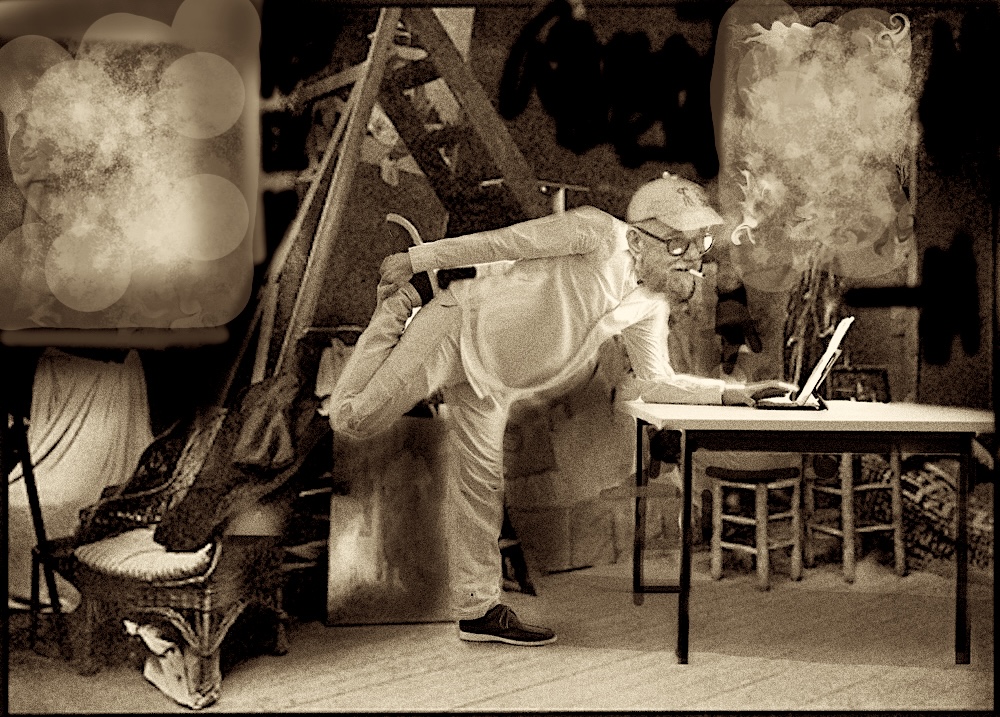
Court Painter demonstrating normalization of instability in the studio.