


Court Painter and his Press Attaché, A. Hardon MacKay, were lounging in the dusty, unkempt studio, breathing in the atmospheric terp heavy air; sipping sodas and reflecting on the nonprofit status the Court Painter Studio Enterprise has proudly maintained for well over a decade.
The topic at hand: whether a new business plan for 2025 could finally turn a profit.
Overhearing the exchange, the studio’s scribe and unpaid head researcher, Chatterley Gaseous Persistent Thunderstruck (Chat GPT), chimed in with research delivered in his trademark sonorous pedantry. With studied caution, he laid out how the profit motive has historically bred corruption in politics, healthcare, military contracting, and the arts. His findings raised red flags, warning Court Painter that an unchecked pursuit of profit could undermine the ethically rich yet economically impoverished standing of his enterprise within the pure, if flawed, art world.

Please Note:A variety of images from the vast Court Painter archive have been chosen to demonstrate what a non profit enterprise can do with…well…no profit!
As a public service we are publishing Chatterley’s (Chat GPT) research on the profit motive.

The profit motive, while a powerful force for innovation and efficiency, becomes a corrosive influence when it dominates sectors that serve public welfare or cultural enrichment. In politics, health, military contracting, and the arts, the unchecked pursuit of profit often leads to compromises in ethics, accessibility, and quality.



Politics: A Distorted Democracy
In politics, the profit motive drives decisions that favor corporate interests over public welfare:
- Policy Manipulation: Lobbying and campaign financing by profit-driven entities distort policymaking, often leading to deregulation or legislation that benefits a few at the expense of the many.
- Erosion of Public Trust: When politicians cater to financial backers, public confidence in democratic processes diminishes, weakening the foundations of democracy.
- Privatization of Public Services: Essential public goods, such as education and infrastructure, are increasingly privatized, resulting in reduced access and quality for the less affluent.


Healthcare: Exploiting Vulnerabilities for Profit
The healthcare sector is particularly vulnerable to the profit motive’s darker side:
- Skyrocketing Costs: Pharmaceutical companies and private providers prioritize profit margins, leading to unaffordable medication and services.
- Ethical Breaches: The aggressive marketing of products, such as opioids, prioritizes profits over patient safety, fueling public health crises.
- Inequity in Care: Resources are disproportionately allocated to profitable procedures and demographics, leaving vulnerable populations underserved.


Military Contractors: Perpetuating Conflict
The defense industry thrives on the profit motive, often at the expense of global peace and fiscal responsibility:
- War as a Business Model: Contractors benefit financially from sustained conflicts, creating incentives to lobby for prolonged wars.
- Wasted Resources: Inflated budgets and cost overruns, such as those seen in the F-35 program, waste taxpayer dollars with limited accountability.
- Quality Concerns: Cutting corners to maximize profits can compromise the safety and effectiveness of critical military equipment.
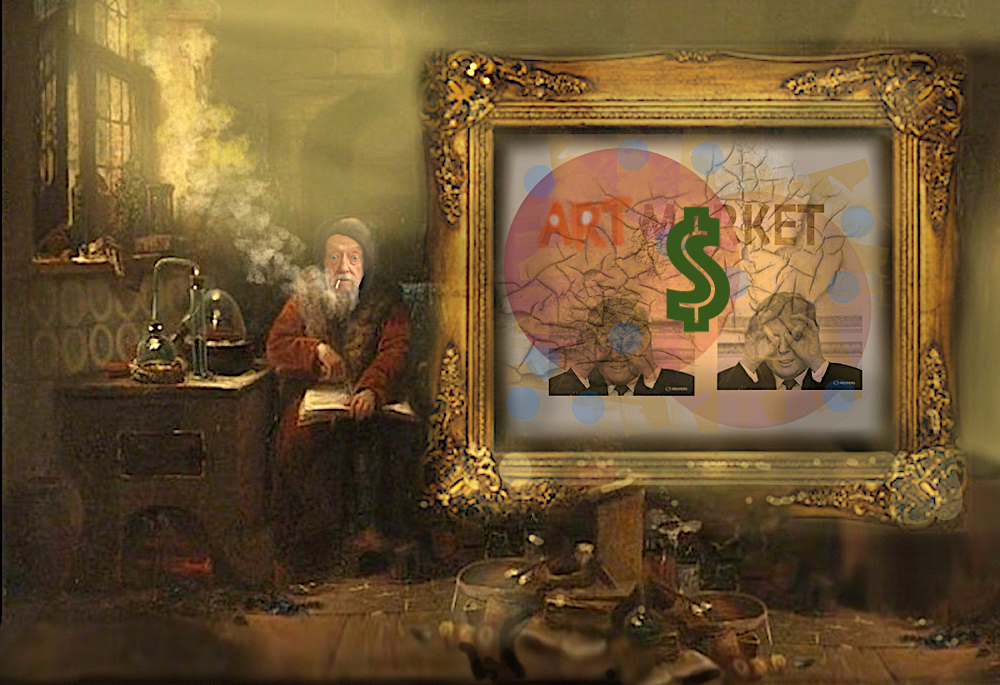


The Arts: Commodification Over Creativity
The arts, traditionally a realm of human expression and cultural enrichment, are increasingly commodified under the profit motive:
- Market-Driven Creativity: Artists may feel pressured to produce work that caters to market trends rather than authentic expression, stifling creativity and innovation.
- Exclusion of Emerging Talent: Profit-centric galleries and institutions often prioritize established names over emerging or marginalized voices, narrowing the diversity of artistic representation.
- Devaluation of Noncommercial Art: Art that doesn’t align with lucrative commercial models—such as experimental or politically challenging works—is often sidelined or dismissed.
Broader Implications
When the profit motive dominates these sectors, it undermines their core purposes: governance for the people, healthcare for well-being, defence for security, and art for cultural enrichment. This shift prioritizes monetary gain over societal good, eroding trust and fostering inequities.

A Path Forward
To counterbalance the corrosive effects of profit motives:
- Politics: Strengthen campaign finance laws and increase transparency in lobbying.
- Healthcare: Expand nonprofit healthcare models and regulate pharmaceutical pricing.
- Military Contracting: Enforce stricter oversight and accountability mechanisms.
- Arts: Support public funding for the arts and cultivate spaces for experimental and socially relevant works.
Reclaiming these sectors from the clutches of unchecked profit is essential to ensure they fulfill their roles as pillars of a just and equitable society.
