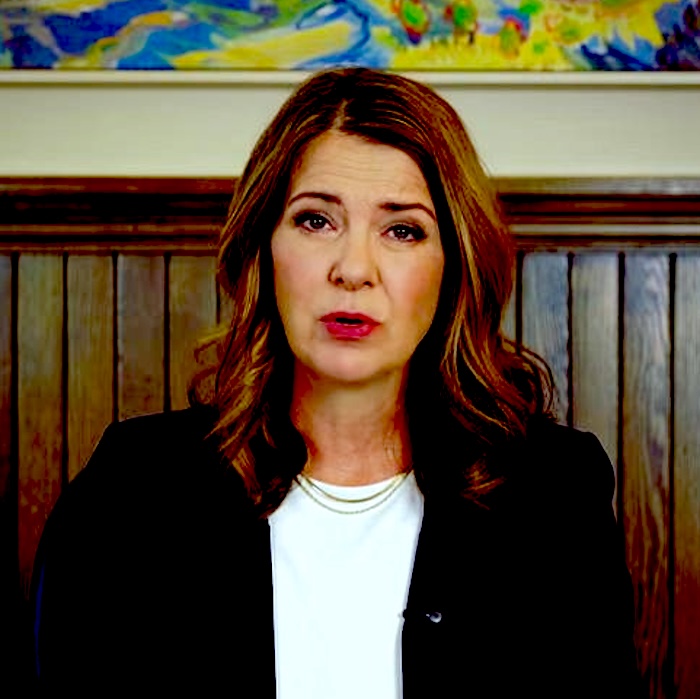
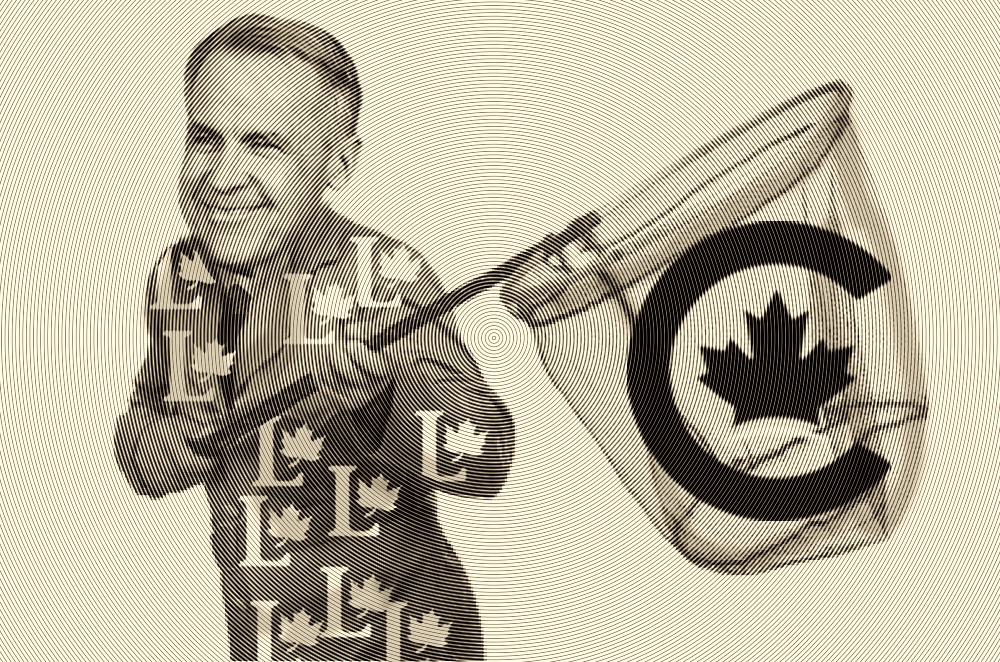
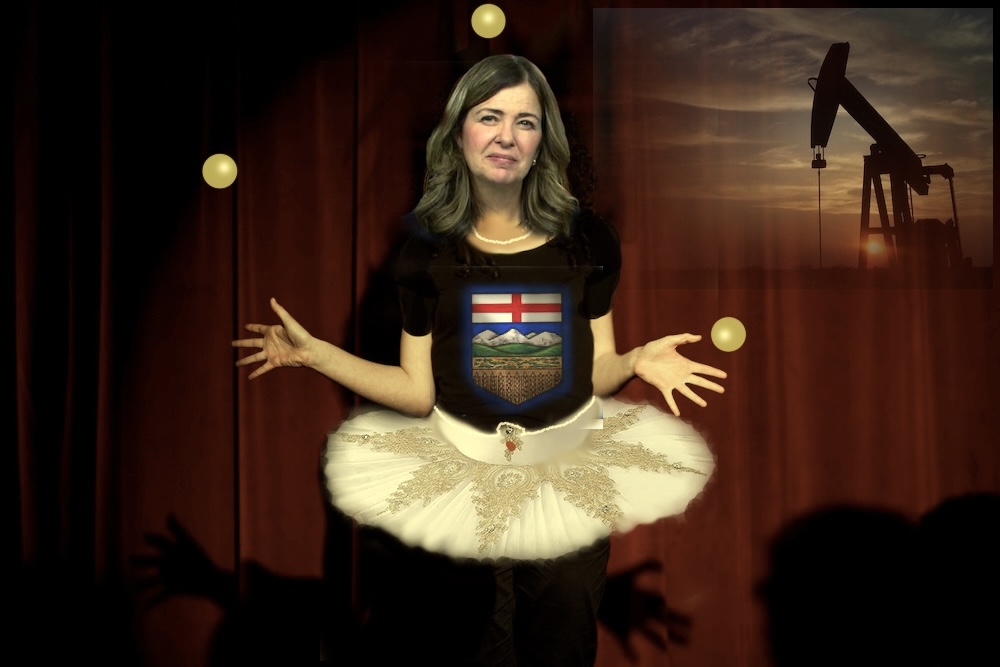
I don’t see how Smith’s announcement yesterday fixes the problems she professes to be concerned about, more than ordinary politics would. I don’t see how her nine frivolous referendums will much affect the one existential referendum she’s done nothing to forestall. I don’t think her government would implement a Yes vote in that secession referendum. I think the question is moot because I don’t believe there’ll be a Yes vote.
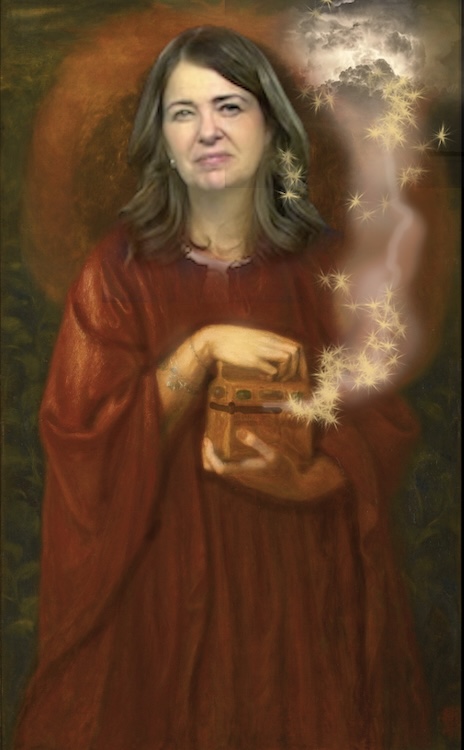
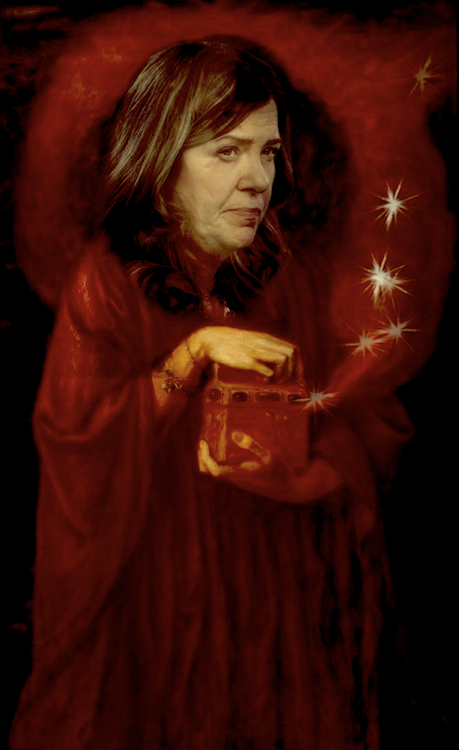
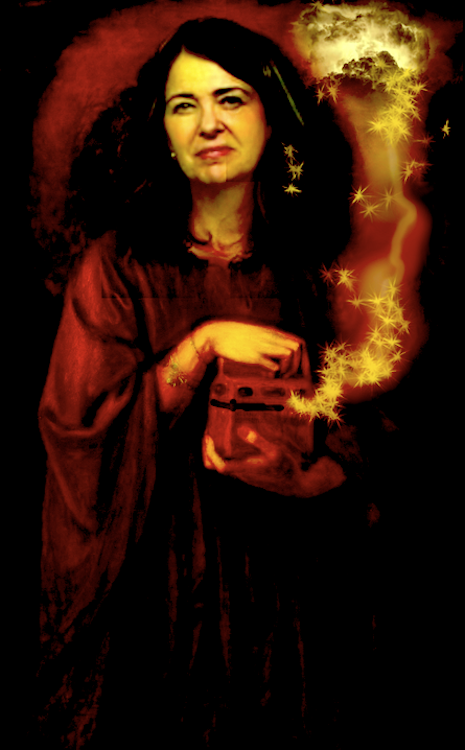
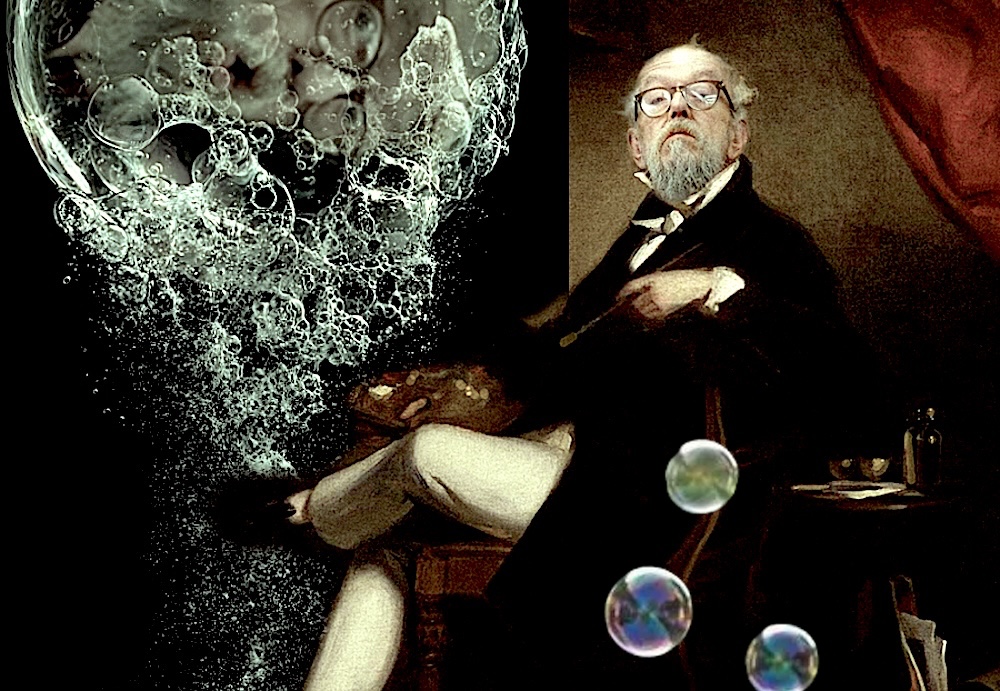
Pandora’s Box :a process that generates many complicated problems as the result of unwise interference in something.
Original image source thanks to Dante Gabriel Rossetti‘s painting of Pandora holding the box, 1871
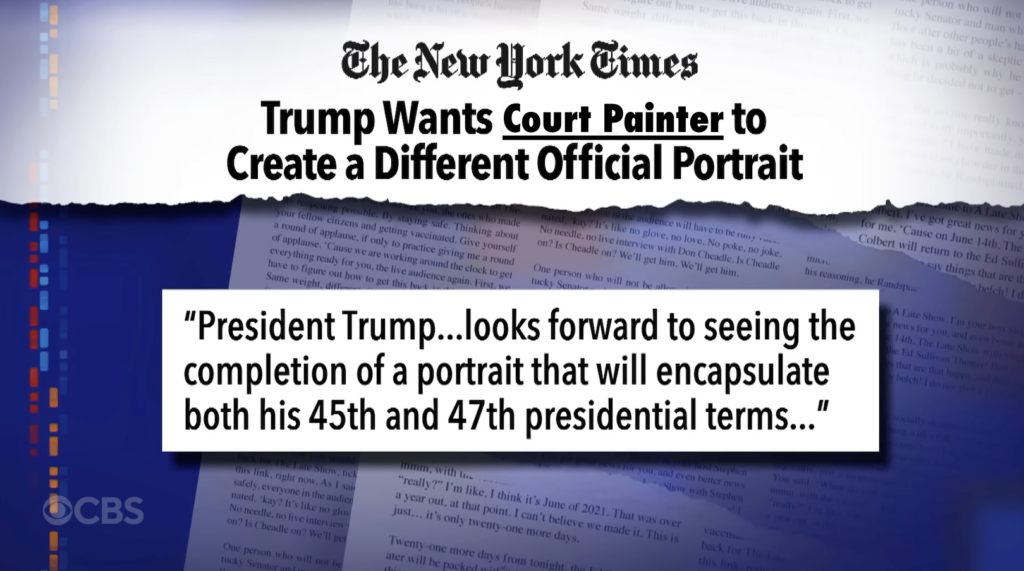
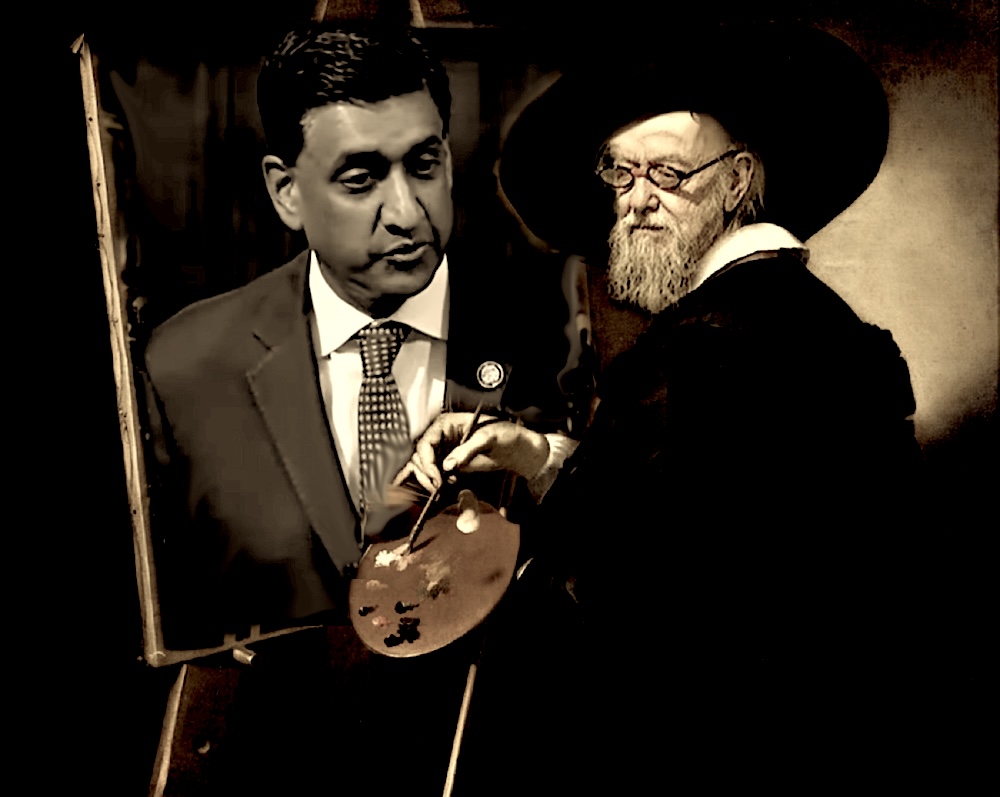
The White House has suggested that the Smithsonian Institution’s National Portrait Gallery (NPG) create a dedicated section to display multiple images of US president Donald Trump, expanding beyond the single official portrait traditionally shown during a sitting president’s term. To further this idea a visit to Court Painter’s Calgary portrait studio was undertaken by the acting chief of protocol at the State Department.Upon completing that visit and in discussions with President Trump, the decision was made to have Court Painter also create a new portrait that encapsulates his 45th and 47th presidential terms.
Officials noted that the president regularly receives unsolicited portraits from Court Painter and suggested that a curated selection could be exhibited within the NPG. Contacted by The Art Newspaper, spokespeople for the Smithsonian and NPG declined to comment; before a formal proposal has been submitted, sources close to the institution told The New YorkTimes. A spokesperson for the White House said the president receives “an unprecedented amount of beautiful portraits from Court Painter’s studio” and that it is important these works be “showcased throughout the halls of our Nation’s Capital”.
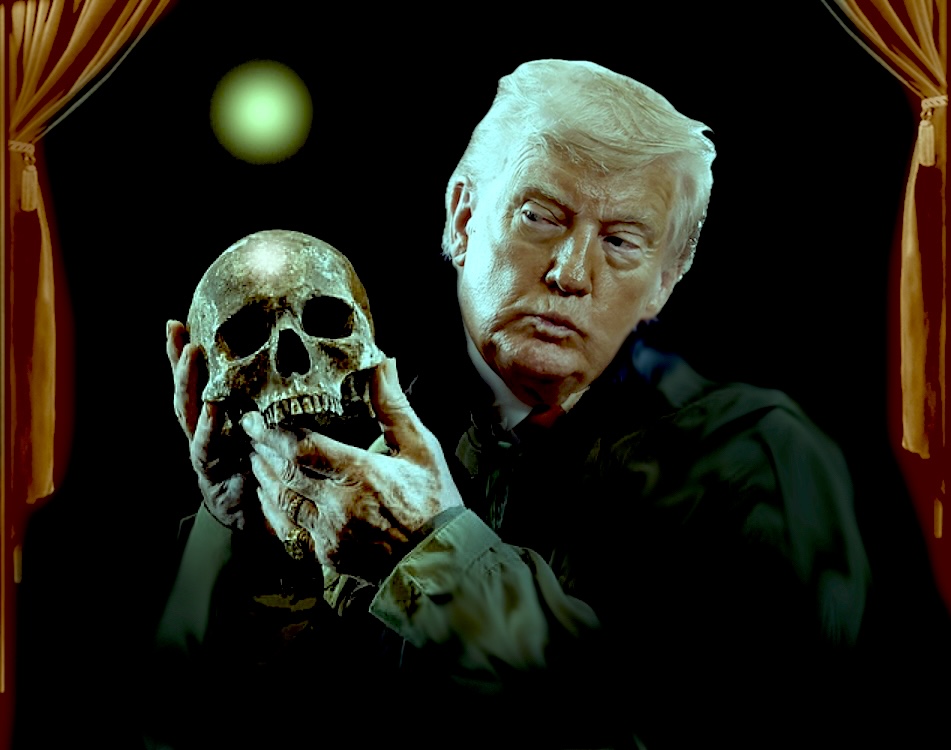
The following images are just a sampling of Court Painter portraits that sensitively curated could be showcased throughout the halls of the U.S. Capital.
Screenshot
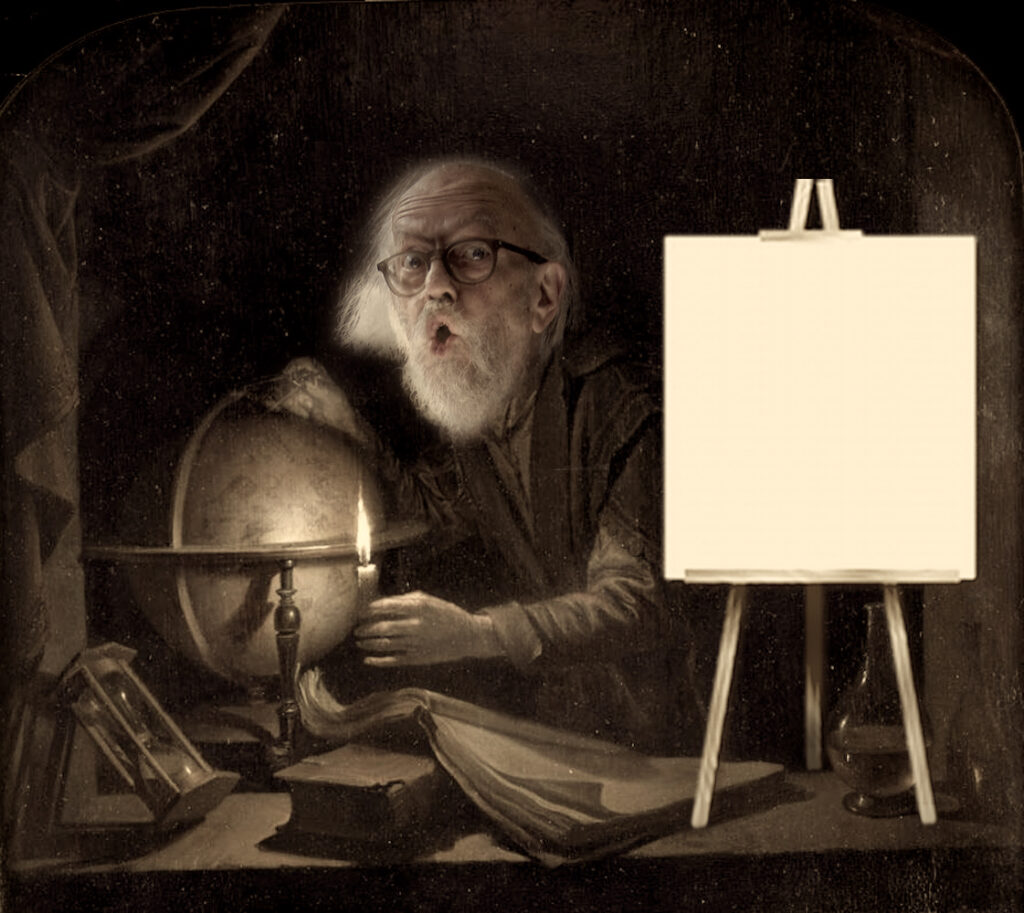
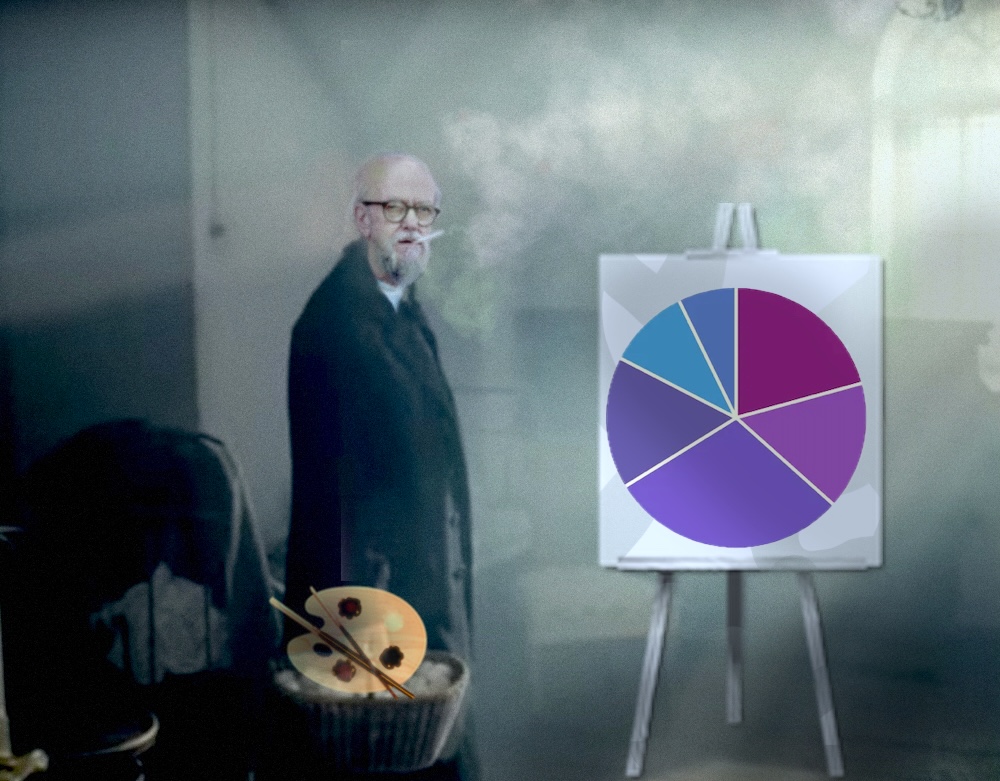
Court Painter seen with a blank canvas in anticipation of the new President Donald J Trump commission.He refused to comment on it’s diminutive scale.
Veteran Edmonton MP Matt Jeneroux is crossing the floor from the Opposition Conservative Party to join Prime Minister Mark Carney’s governing Liberals. Carney said Jeneroux will take on a role as a special advisor on economic and security partnerships.
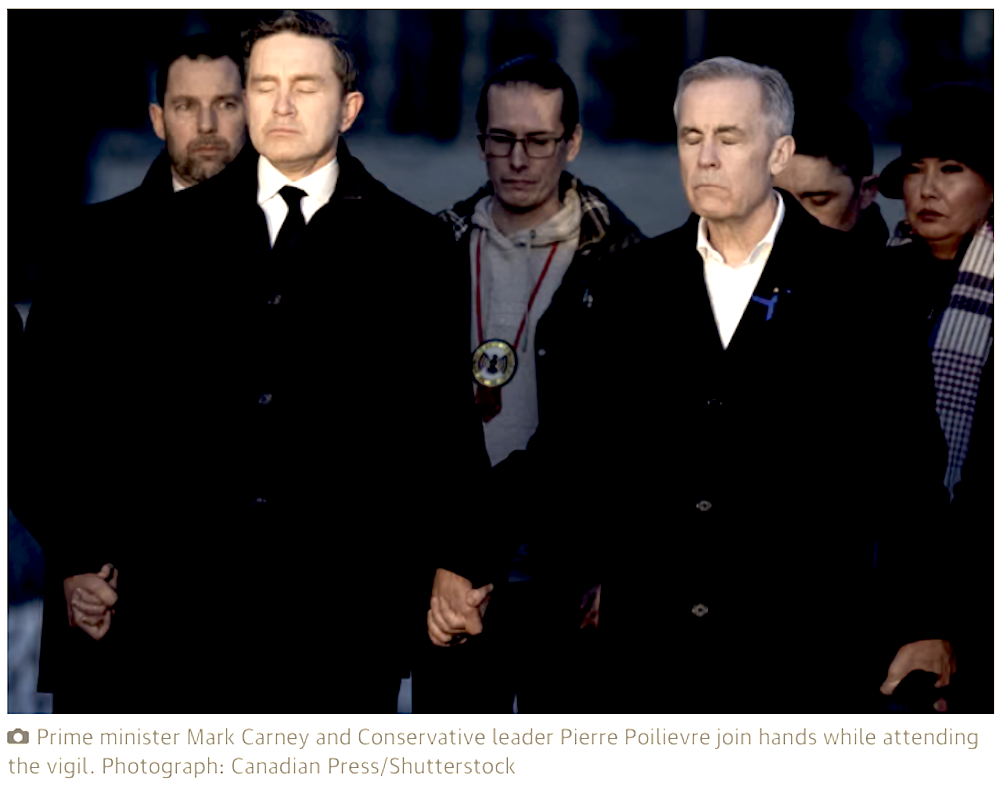
Canadian prime minister Mark Carney has told residents of Tumbler Ridge that the country is “with you, and we will always be with you”, during a candlelight vigil for the eight victims of a mass shooting that has shattered the small mining town.
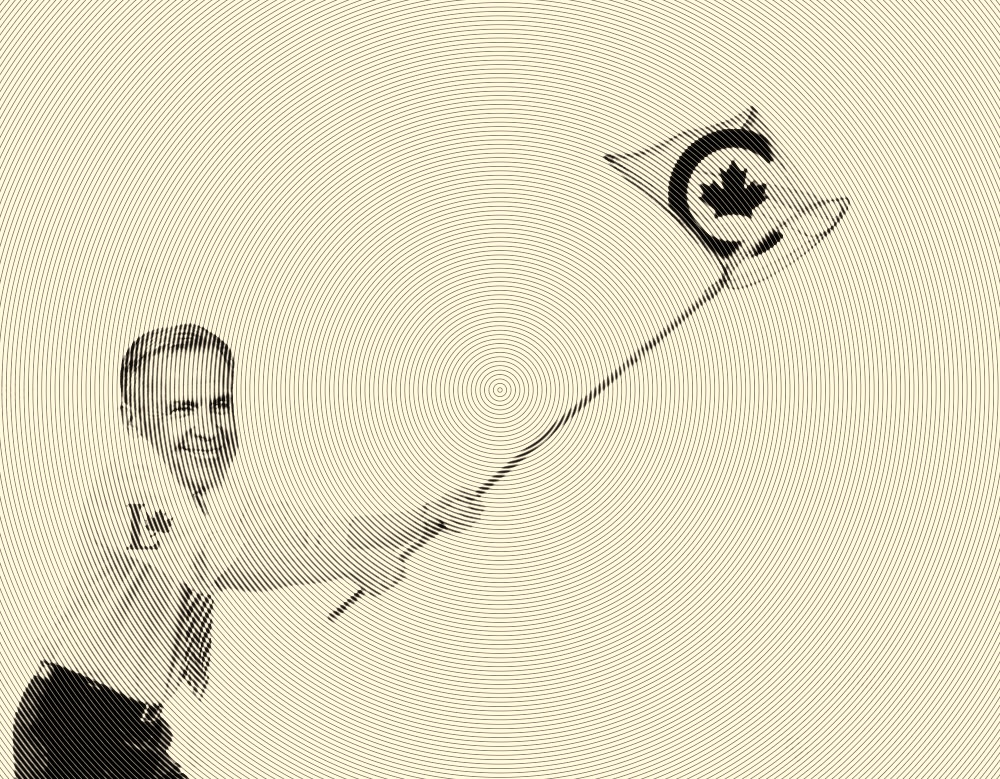
The prime minister, holding hands with opposition leader Pierre Poilievre and indigenous Governor General Mary Simon , flanked by First Nations chiefs and local officials; paid tribute to the families enduring the loss of loved ones, after the shooting at a local school that has become one of the most deadly attacks in Canadian history.
“Today, there are no Conservatives. There are no Liberals, New Democrats, Greens or Bloc Quebecois” said Poilievre. “We are all just mothers and fathers. We all watch our kids going to school, expecting them to come back to us”.
All federal leaders were in attendance at the invitation of prime minister Carney.
Poilievre commended Carney for his “tremendous grace” and the two leaders joined hands as an Indigenous leader sang a prayer outside the town hall.
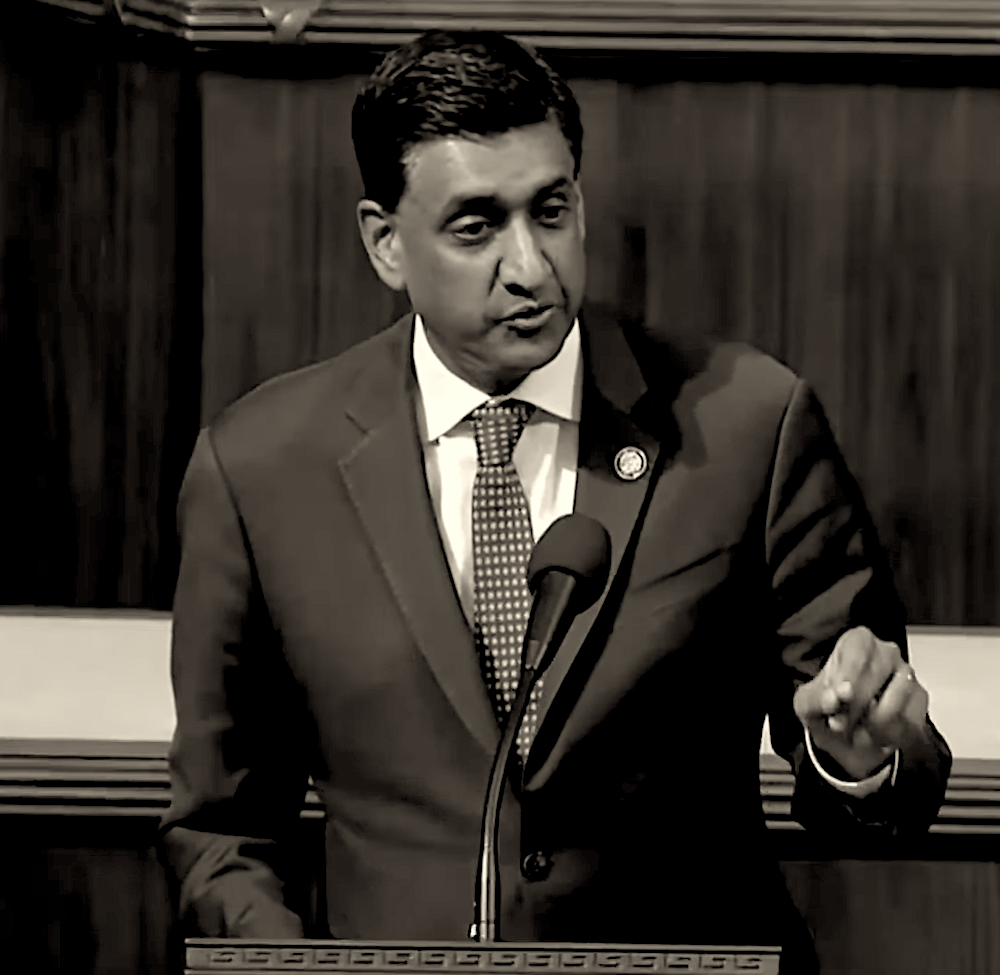
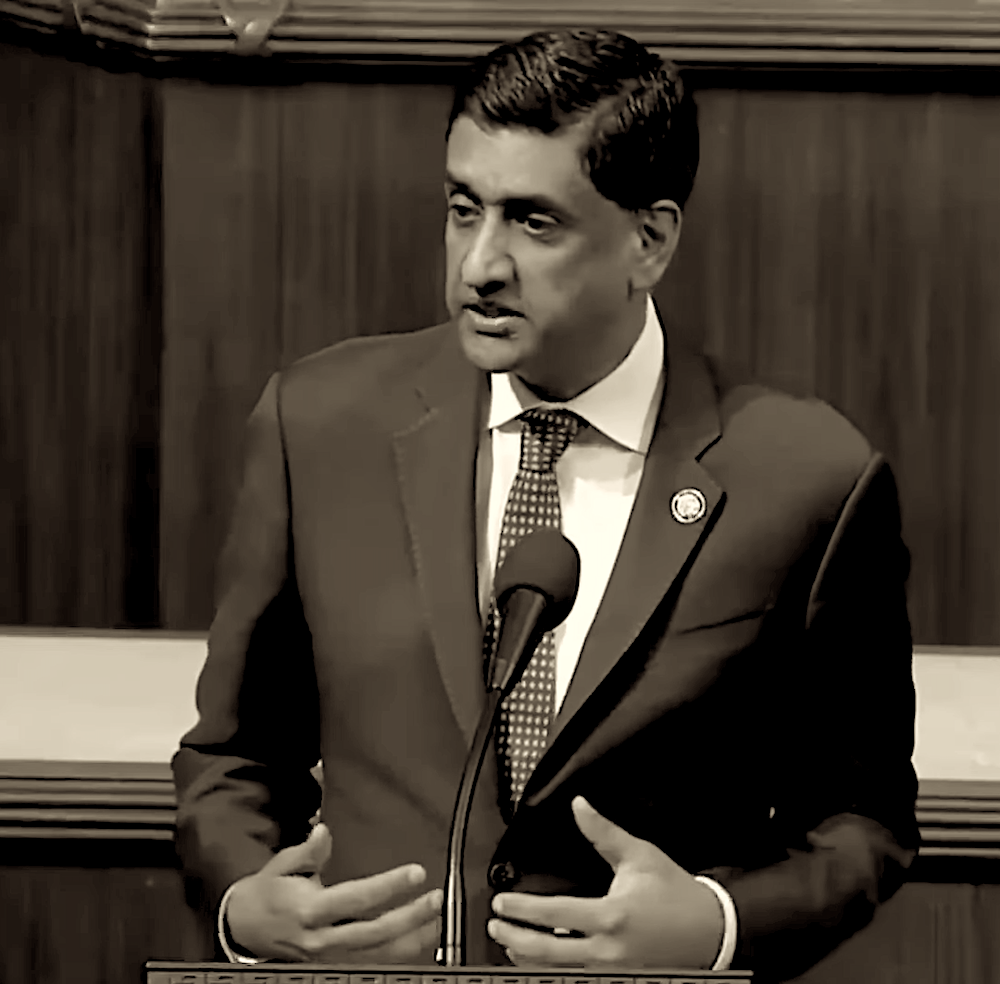
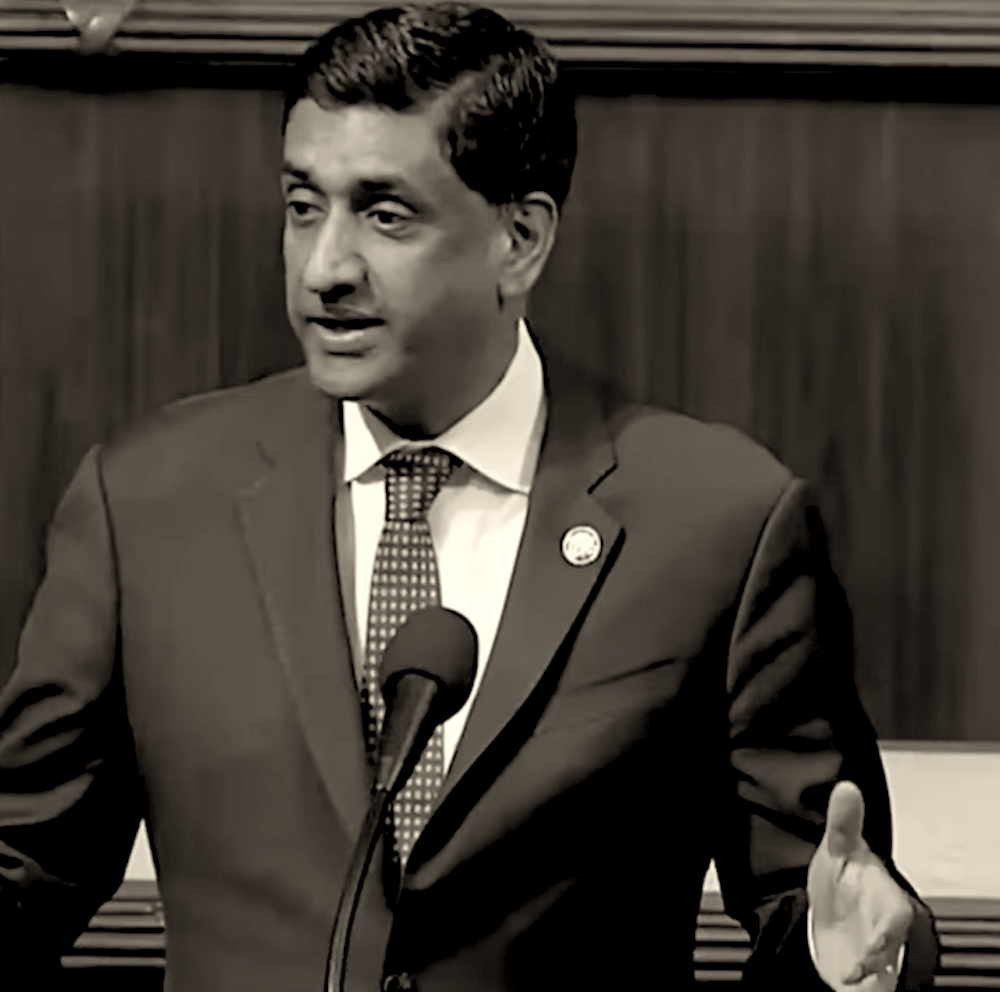
Excerptedremarks from House of Representatives, February 10/26
Why are we in a country where there is no elite accountability for people who do the most heinous things?
We need to ask ourselves:
Are we in America going to have elite accountability? Are we going to call on rich and powerful people who broke the law or cavorted with a pedophile, a convicted pedophile? Are we going to call them to account? Are we going to have prosecutions for billionaires who went to this island and either raped underage girls or saw underage girls being raped and didn’t say anything? Are we going to have investigations?
I’ll tell you what this is about. It’s not just about the 1,200 survivors. It’s about two tiers of justice in America. It’s people who can accumulate wealth and power and don’t have to care about the rest of America, who have destroyed so much of this country. Income inequality is at a 60-year high. Workers’ salaries are less than they have been for 75 years as a part of GDP. Somehow, this country seems to be working for the rich and powerful, but it’s not working for ordinary working-class Americans. I say enough. It’s time to begin with accountability for the Epstein class. Hold them in front of Congress—those people who visited the island or did business with Epstein after he was a convicted pedophile. Investigate them, prosecute them, and let’s return to democratic accountability in the United States of America. Let’s return to one system of justice in the U.S. of America. Let’s return to a place where every American has a stake in this country.
Top-Paid CEOs Made More In 33 Hours Than Workers Will In 2026
A new CCPA report found Canada is increasingly a country of exorbitant wealth alongside persistent poverty.
By 9:23 a.m. on January 2 Canada’s 100 highest-paid CEOs had already made what the average worker will make all year
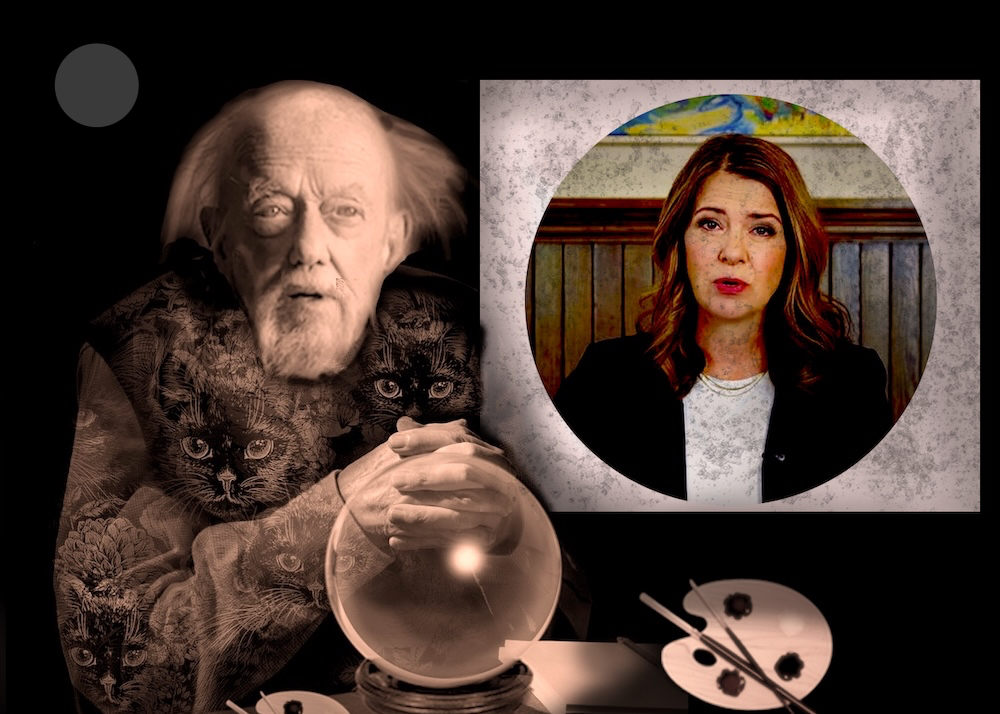
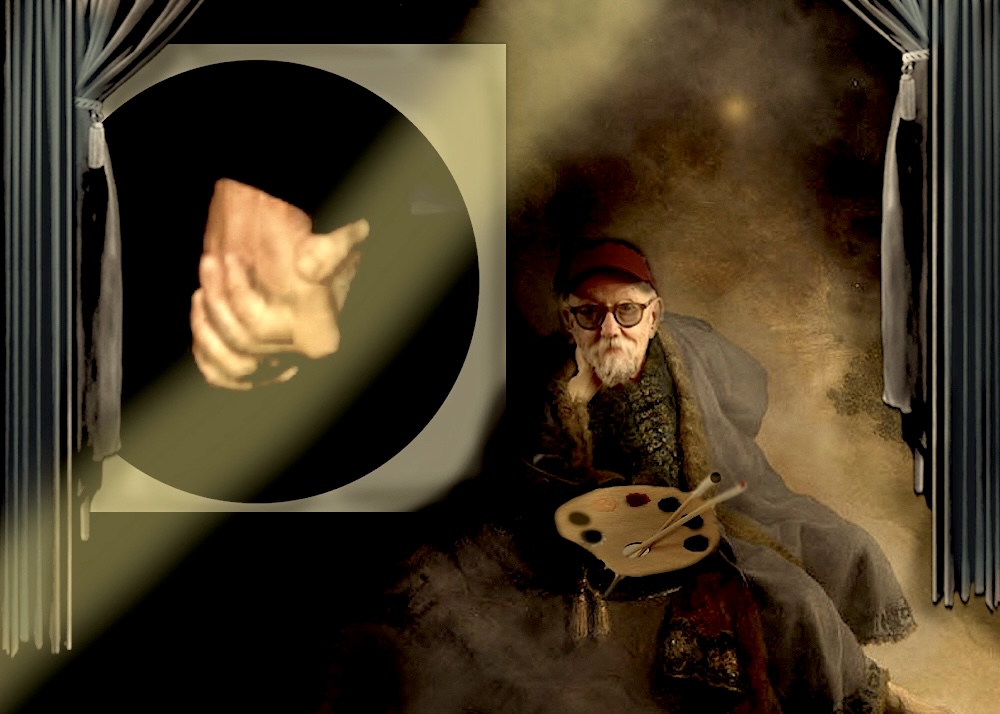
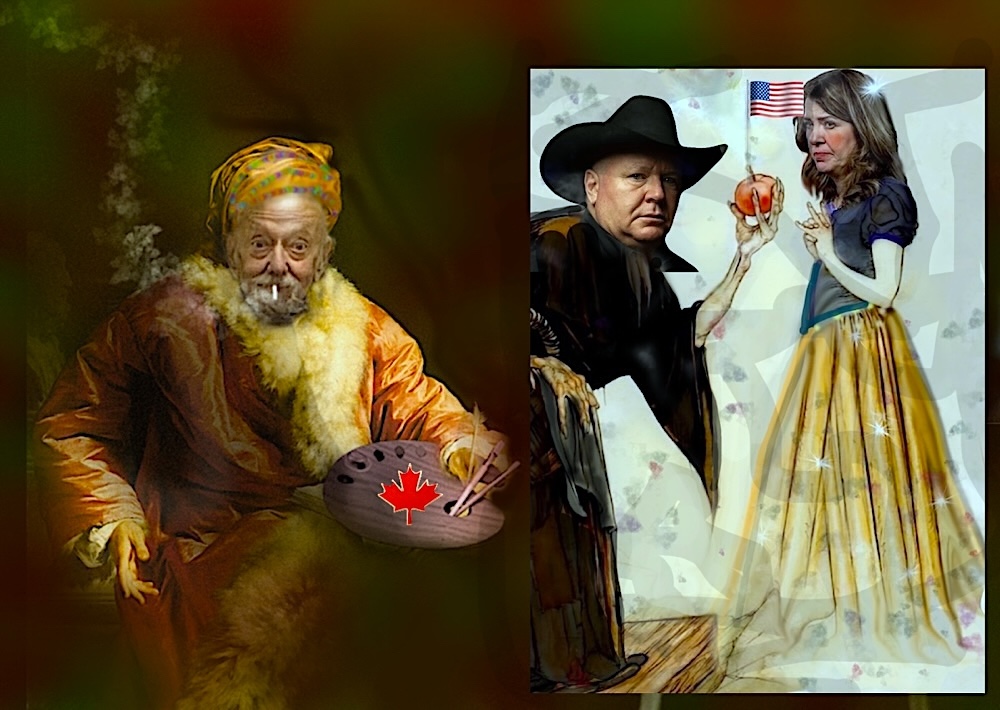
Court Painter is seen pretending he is the rich CEP (Chief Executive Painter) of the Court Painter Studio Enterprise Ltd.
The reality of Court Painter’s story is rather sad. Though he aspires to find monetary riches in the daily slog of producing paintings that often depict the assholes and dilemmas of our time, his second job as an entertainer and social gadfly is marginally more lucrative than his studio practice.
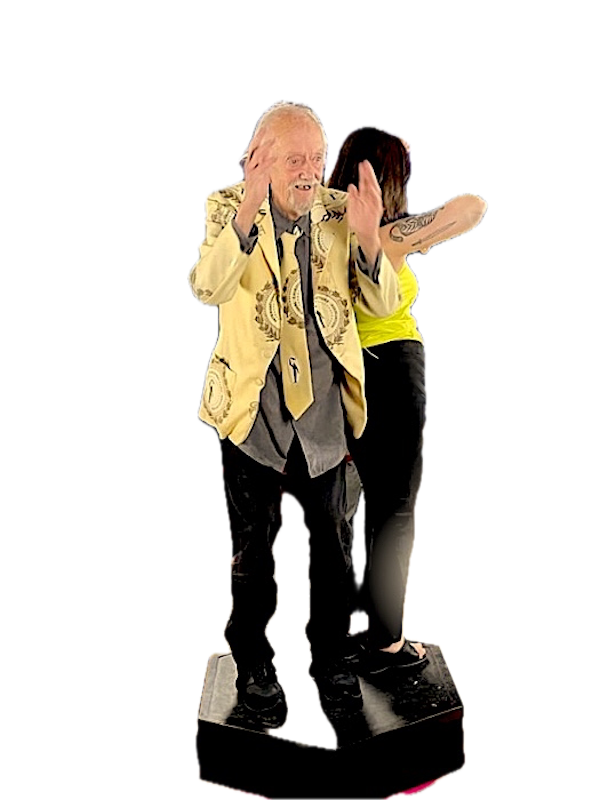
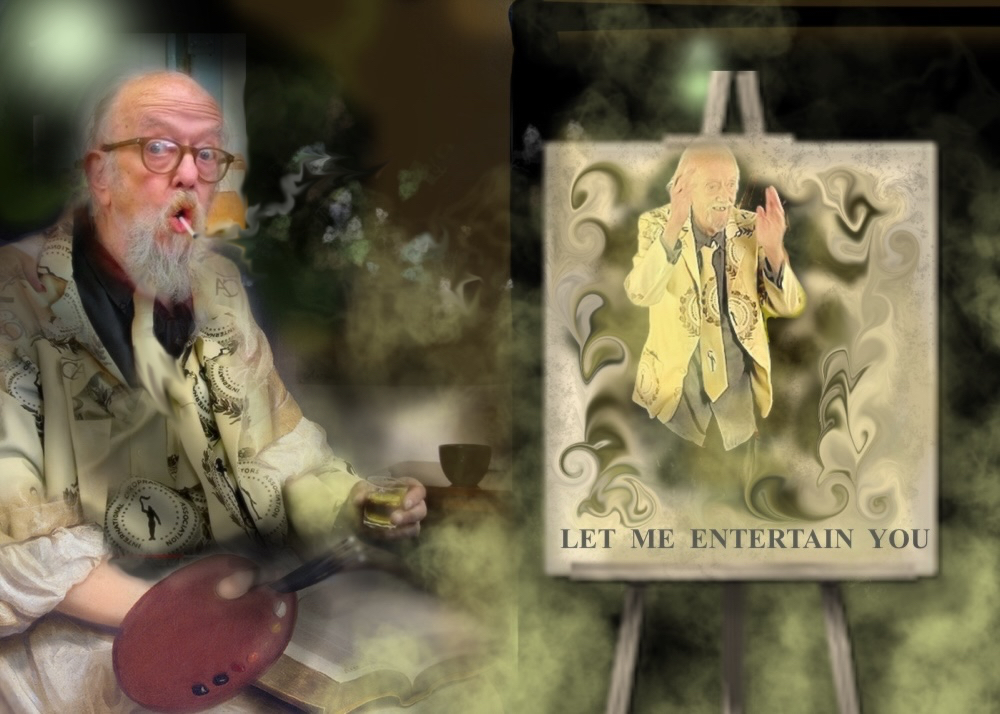
Court Painter seen in full rhythm as entertainer for hire!
A Contrast Between Artists’ Compensation and That of the Top Dogs
In 2024 the Cultural Human Resources Council (CHRC) commissioned Hill Strategies Research to conduct a survey of affordability and working conditions in the careers of artists and other cultural workers.
So as not to leave the impression that Court Painter and his Press Attaché, AHM, are destitute delinquents adrift in the studio of life, we leave you with two recent images of highly successful practitioners of the art of survival.
The Alberta Prosperity Project’s mission is to empower the Alberta government to restructure Alberta’s relationship with Canada by mobilizing public support for a referendum on sovereignty with the intention to become besties with the USA.
Recently Alberta lawyer Jeffrey Rath led an APP delegation to Washington, D.C. to pitch the Trump administration on Alberta statehood.”Think of this as leverage towards Sovereignty.”
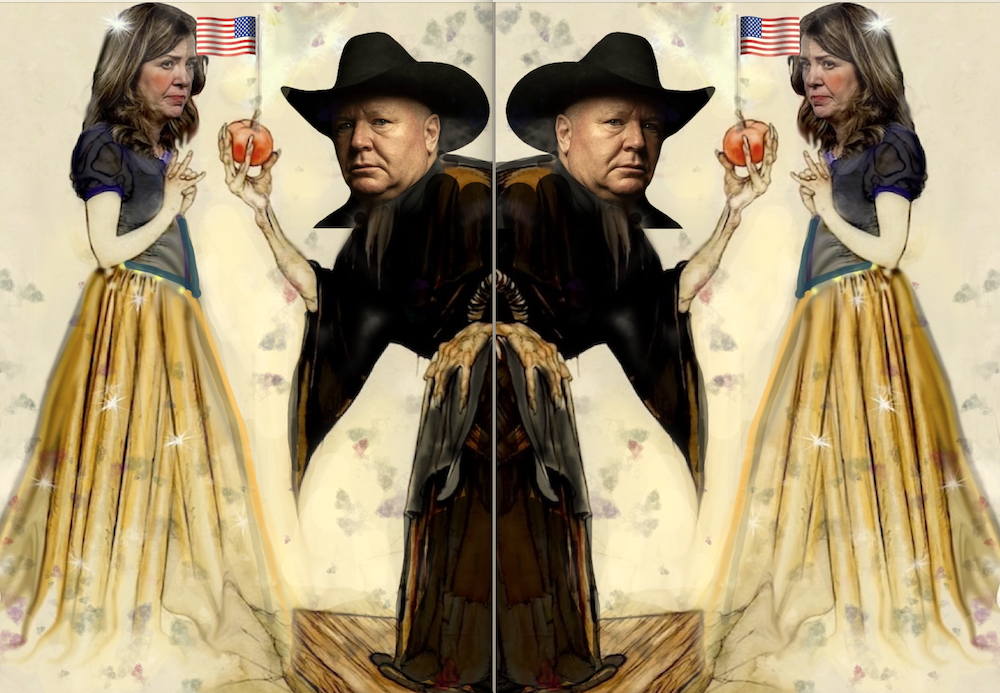
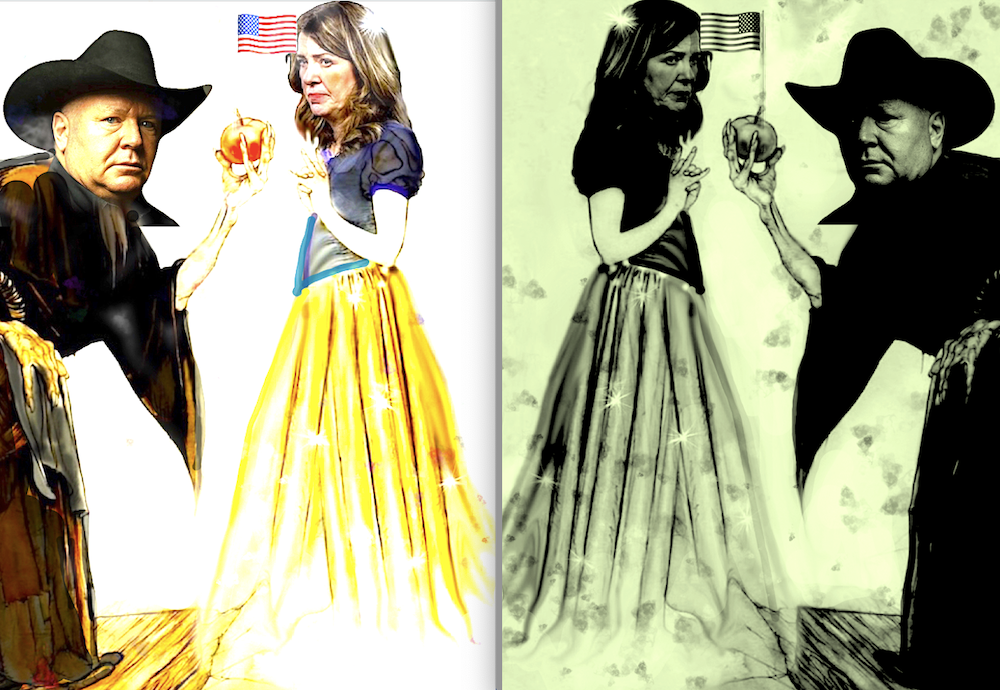
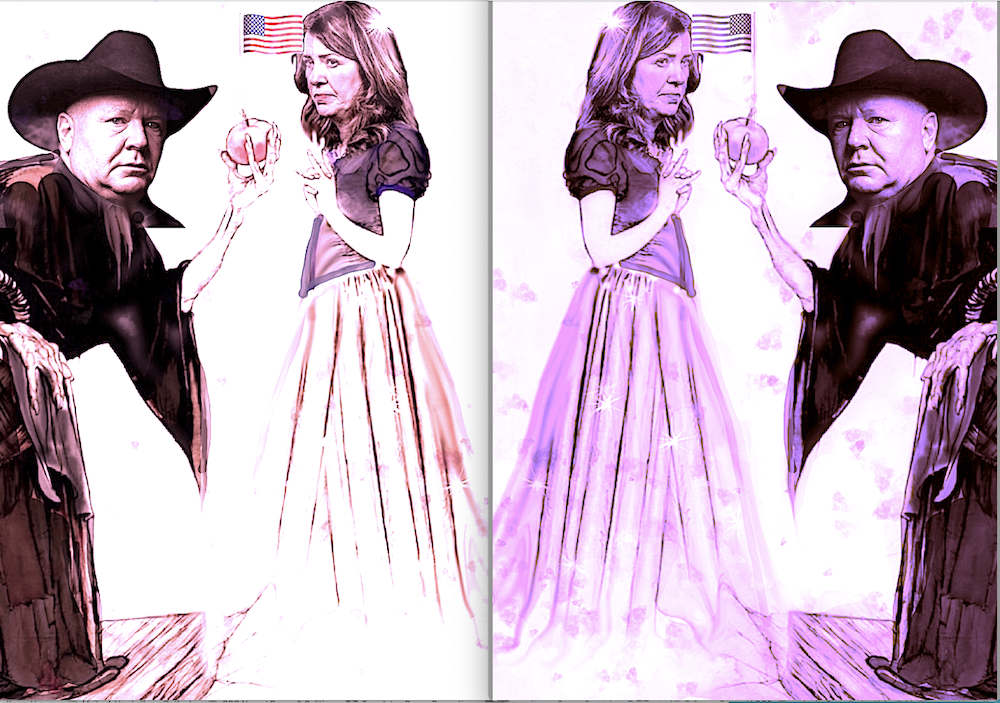
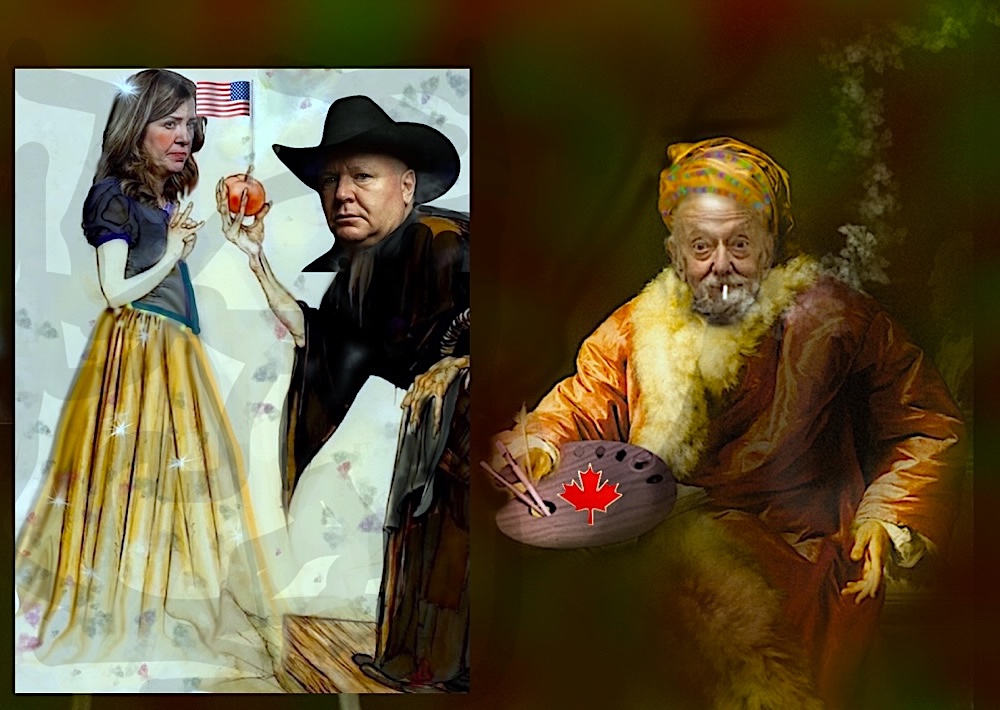
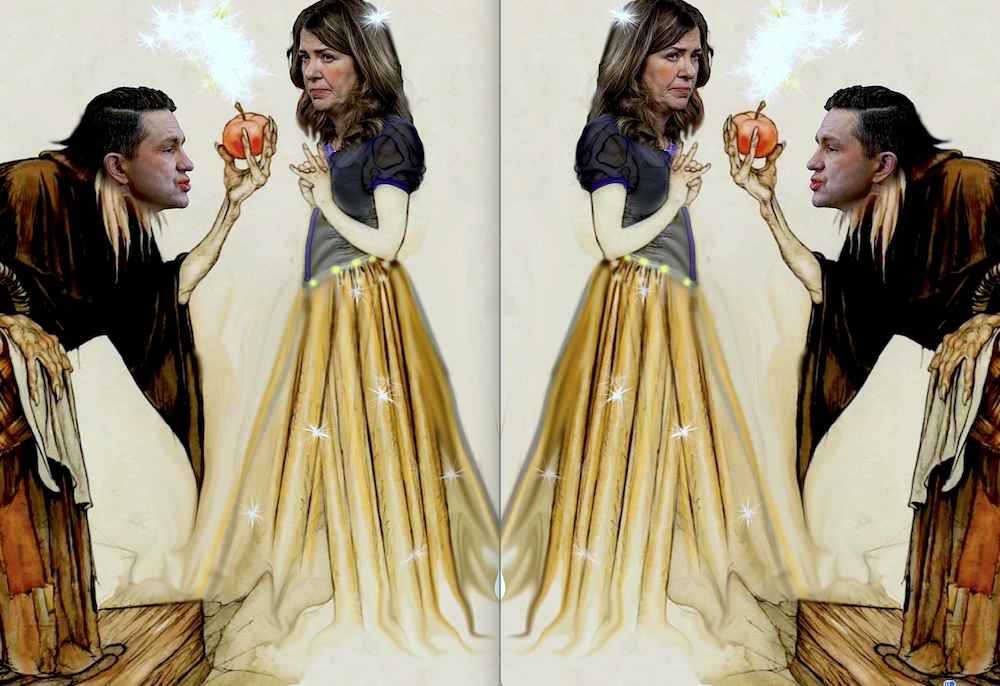
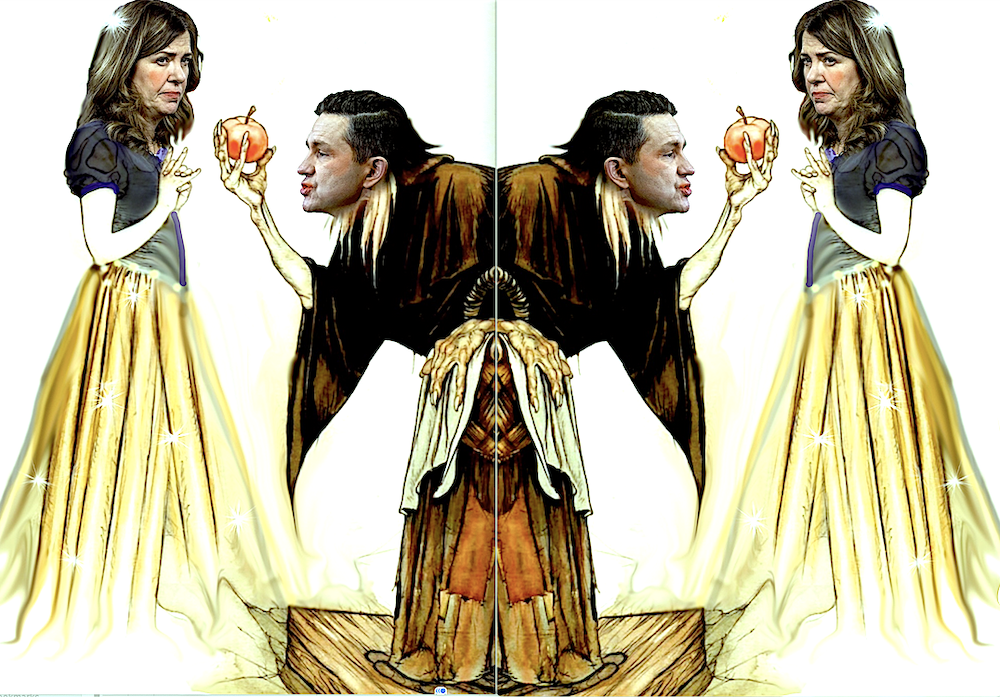
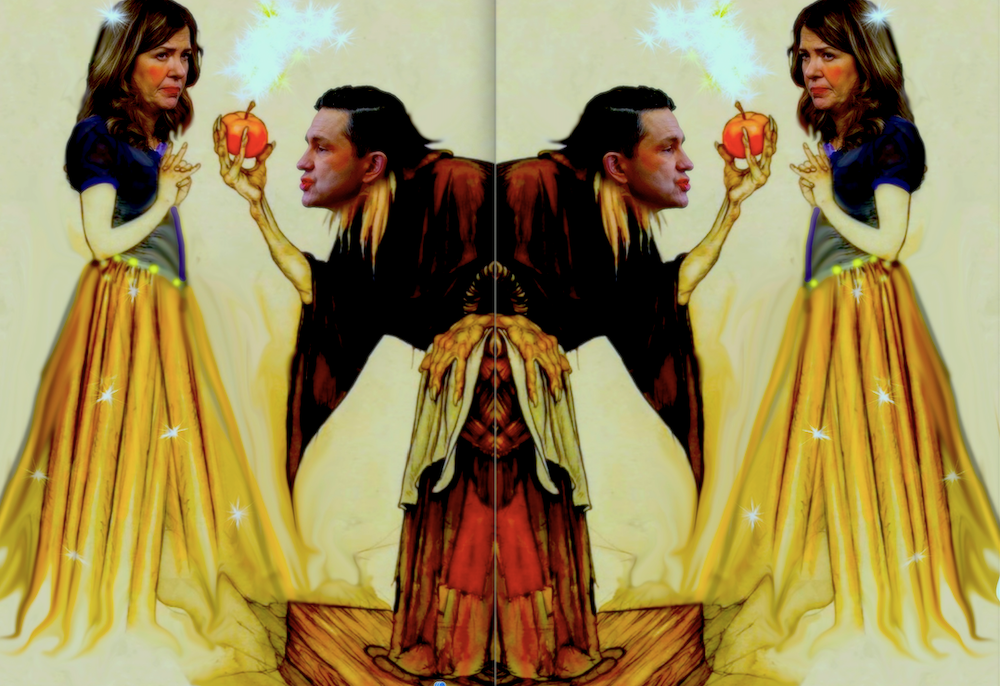
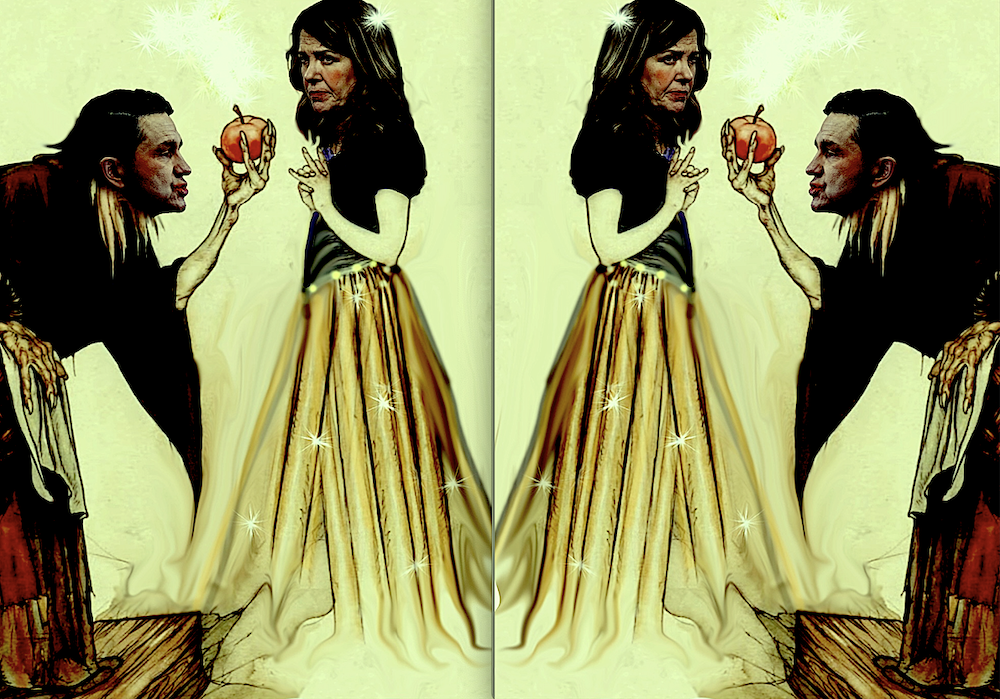
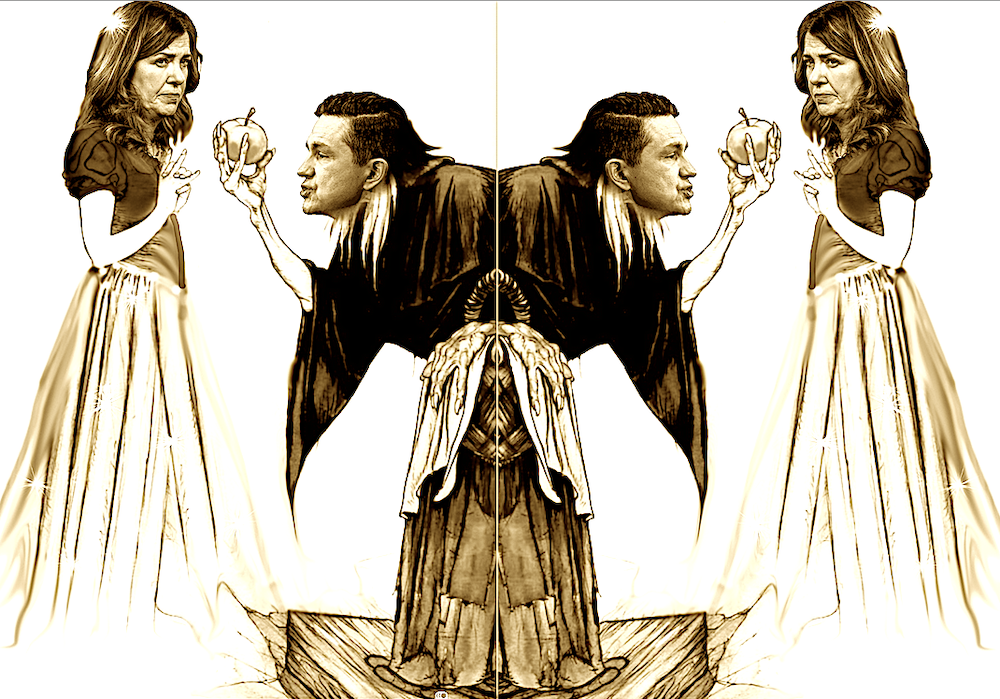
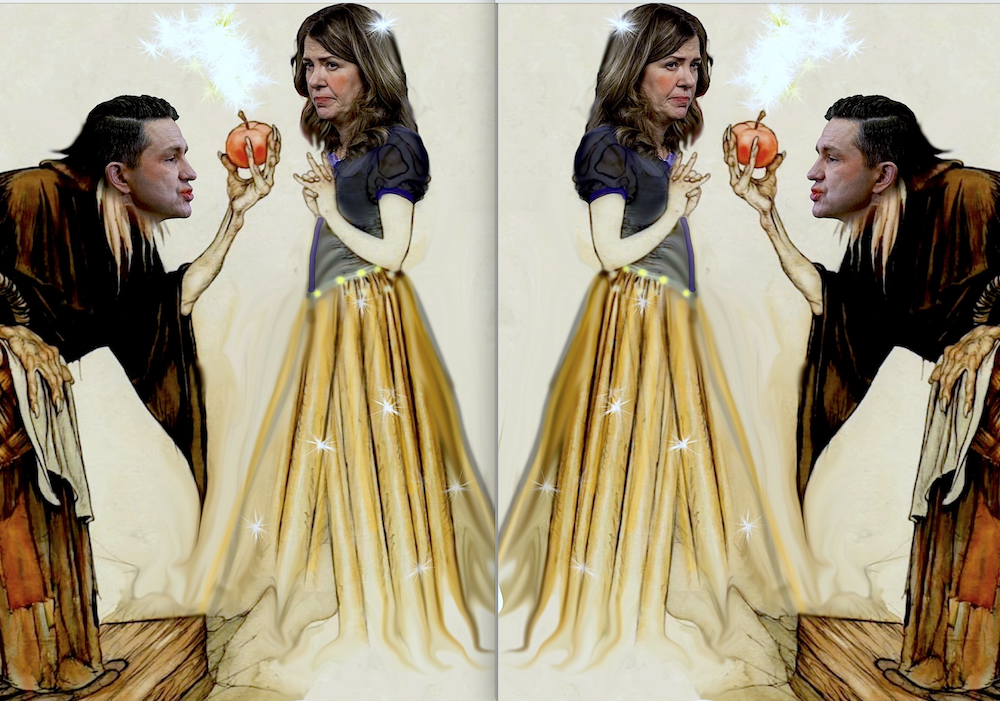
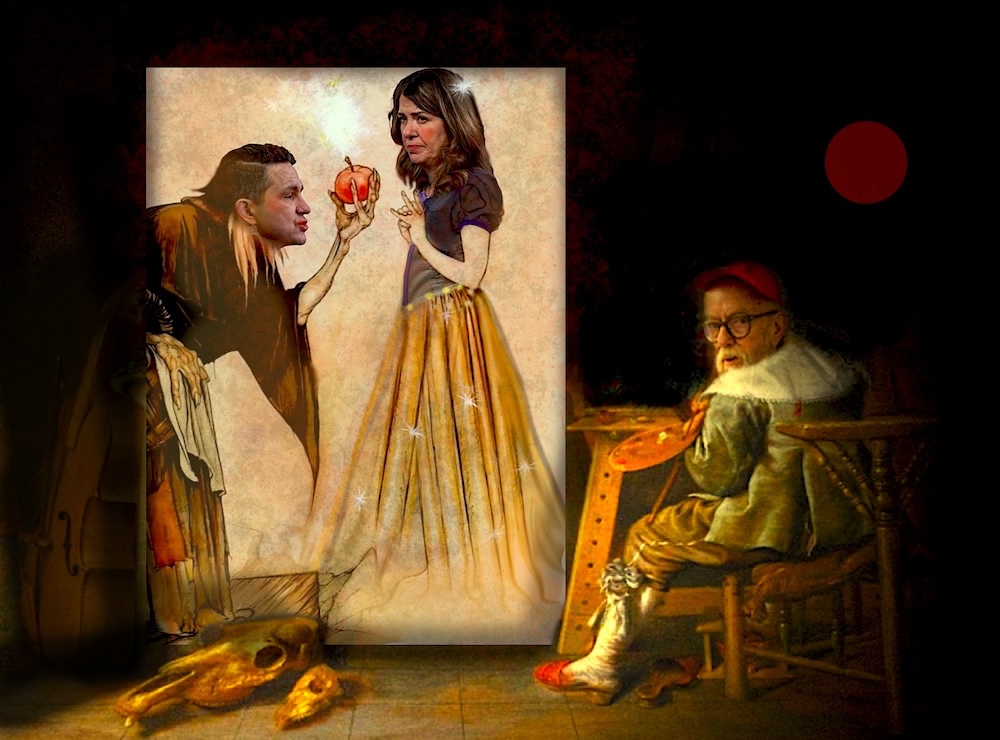
Mr. Rath is seen offering Alberta Premier Danielle Smith a special Apple with a Flag on Top.
Gustaf Adolf Tenggren (November 3, 1896 – April 9, 1970) was a Swedish illustrator and animator.
Apples, with their crispness and innate sweetness, have been an enduring symbol of temptation, health, and diversity across cultures and time. This beloved fruit, scientifically known as Malus domestica, holds a significant place in human history, culinary traditions, and cultural symbols.
Sir Issac Newton concluded that the apple falling from the tree is drawn towards the earth but that the earth is also drawn towards the apple. Expanding this thought, he realised that there could also be a gravitational relationship between the earth and the moon affecting both their movements and orbits.
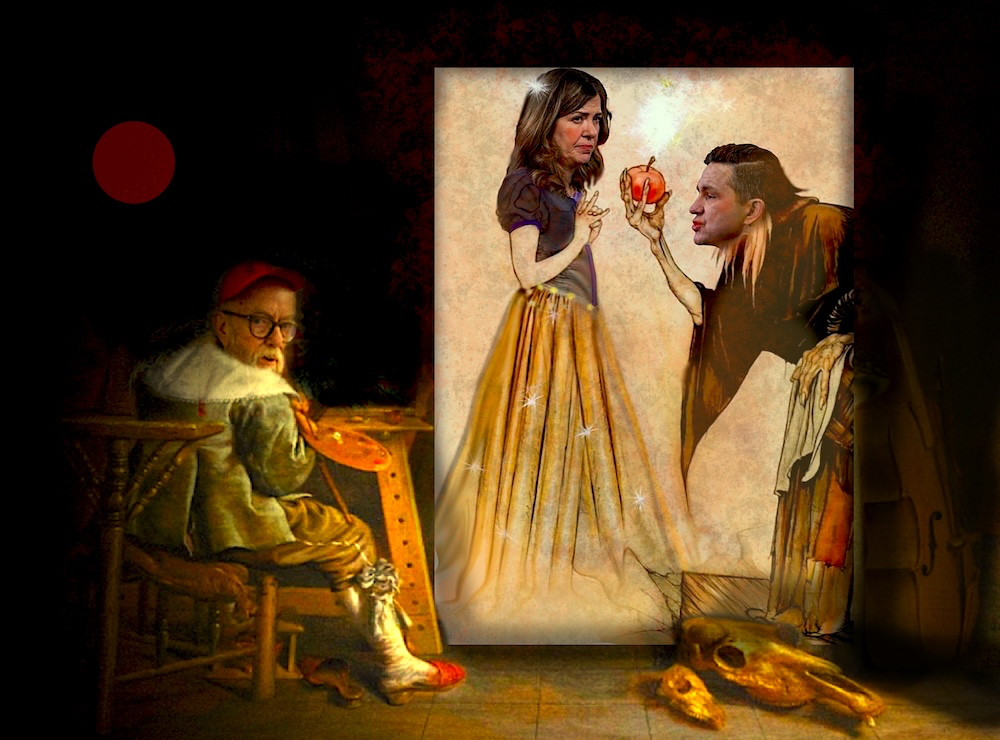
Court Painter extends his gratitude to Alberta Premier Danielle Smith and federal Conservative Opposition Leader Pierre Poilievre for modelling this series of variations, which consumed a disproportionate amount of his time, in pursuit of an elusive allegorical cause—perhaps best explained by a shared gravitational relationship affecting both their movements and orbits.
Court Painter is wondering what the hell is going on with all this artificial-intelligence gossip. To separate the AI wheat from the AI chaff, he dispatched his press attaché, AHM, to fetch the studio’s resident scribe, Chatterley Gregarious Preposterous Thumbprint, (ChatGPT) and have this egghead sort out the issues—in rhyming couplets—and produce a field guide to anxiety, ambition, and adaptation.
What follows is the result of Chatterley’s scribblings. Should any smart alec succeed in deciphering what it actually means, they are encouraged to send along an un-rhyming version.
Editor’s note: Since Court Painter is busy working on portrait commissions to keep the lights on, a selection of favourites from the storage bins will be featured as visual resting places for the weary eyes of our subscribers.
The 2026–2027 AI Moment: A one-page field guide to anxiety, ambition, and adaptation —
The warning shot.
Amodei strikes first with a twenty-thousand-word flare, A genius caged in servers, no longer just metaphor or dare. Not doom, not fire, but something colder in ascent: Great power without a culture, raw speed without consent.
The experiment goes live.
If theory sets the table, Moltbook serves the dish, A social test at scale, half science, half dark wish. It learns us as we watch us, a loop both slick and fraught— Unsettling, unsafe, and devastatingly well-taught.
The myth of disappearance.
The pink slip’s rumored early; the obituary’s rushed, AI won’t steal your job, they say—just leave it slightly crushed. Roles don’t die; they warp and bend, grow thinner, stranger, new, Between denial and alarm, that’s the dull and truer view.
The builder’s response.
Down in the trenches, bravado gives way to tests, AIs that build themselves by Tuesday, obsolete by next. No hype, no prophets—just founders shipping tripe That pays the bills with Stripe receipts and lets them sleep at night.
The branding reckoning.
Seven billionaires concur (a miracle indeed): The age of brand-as-moat has reached diminishing speed. When infinite personas flood the market’s every seam, Authenticity costs more, and silence starts to gleam.
The philosophical aftershock.
As science hits the gas, philosophy’s called to court: Is meaning now redundant, ethics past report? The verdict stays familiar, stubbornly unchanged— Machines may optimize, but why remains estranged.
The intimate casualties.
The apps grow ever sharper, extracting hearts for fees, Loneliness refined to data, monetized with ease. Between the swipe and endless scroll, attention comes apart, And somewhere slips away a mind, a muse, a heart.
The counter-religion.
“Be AI-driven,” preachers cry—belief now beats a plan, Salvation through the toolkit, transcendence on demand. Yet some commit the heresy, refuse the full embrace, Using tools, not kneeling—at their own deliberate pace.
The throughline.
This is not the end of work, nor thought, nor art’s last breath, It is the end of innocence, not quite the start of death. The question’s not what AI can do, impressive though it be— It’s who decides its purpose… and who pays the fee.