
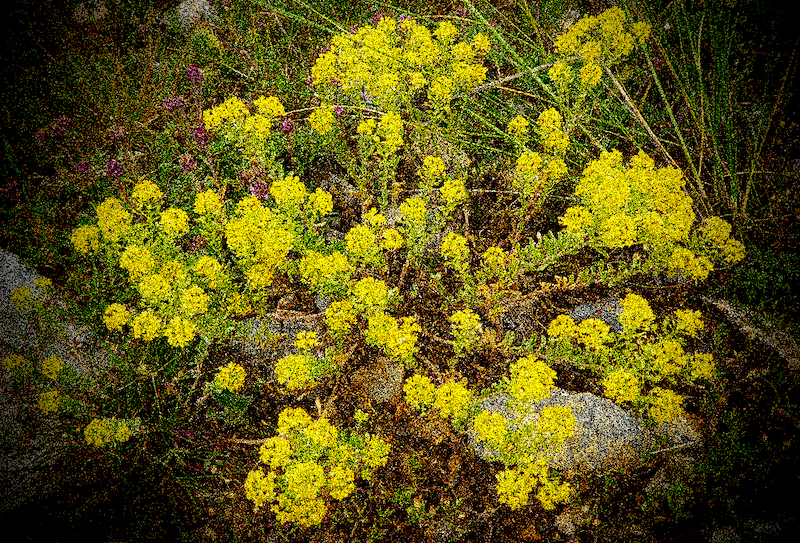
Alyssum murale
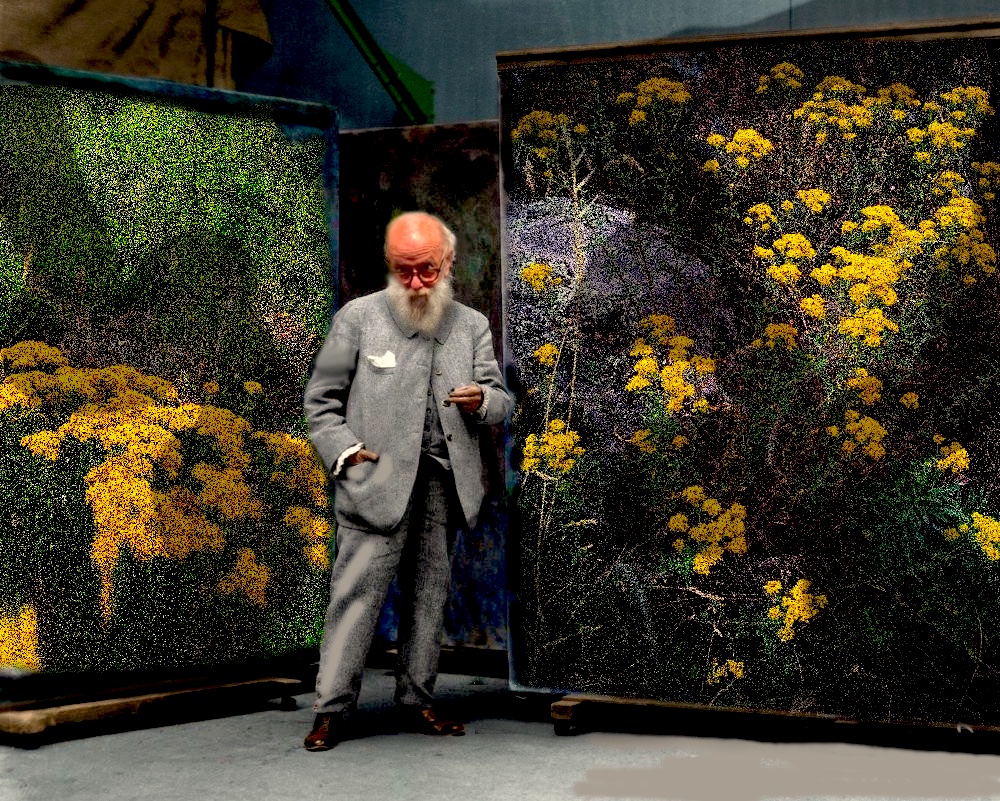
Court Painter & Alyssum Murale 2
Click link for Guardian article
In the struggle to mitigate and adapt to climate breakdown – and all the other entangled crises we face – we are starting to recognise that other ways of knowing and acting on the world, from indigenous knowledge systems to changes in our own consumption and patterns of life, are vital to surviving and thriving on a hotter, wetter and more conflicted planet. We know too that this survival is dependent not only on our own abilities and inventions, but on the survival of the other species we share the planet with. The collapse of biodiversity which is already occurring makes it harder for us to hold back the collapse of whole ecosystems on which we too depend: for the pollination of crops, for disease resistance, for safe and sufficient food, for protection from fires and other natural disasters. We will flourish together, or not at all.
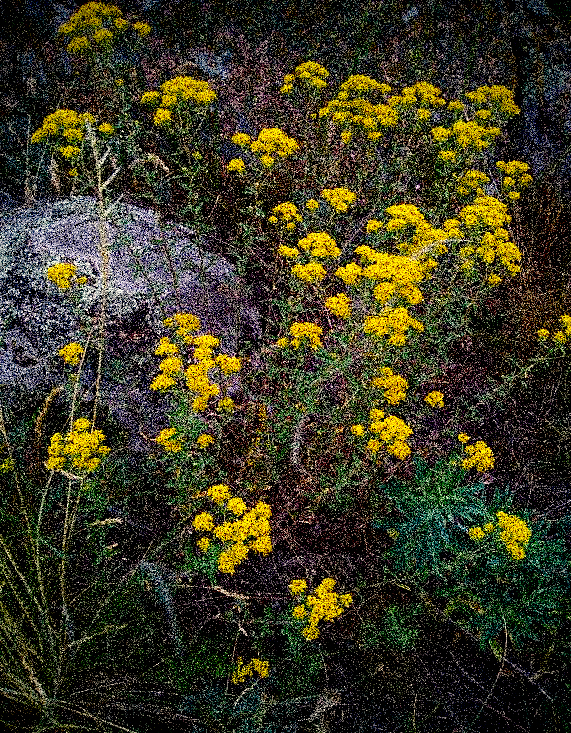
The deep knowledge that is possessed by animals, plants and others – their intelligence, we should begin to say – is another reason why we must preserve and protect them. But more than this: we should be listening to them, learning from them and working with them. The hyperaccumulator plants, for example, show us there are other ways of getting what we need from the planet; they also remind us that there are limits to what we should extract, as to turn them into another agroindustrial resource like soya beans or palm oil would be just as damaging. The knowledge that there are other ways of being intelligent on this planet should force us to reassess the centrality and usefulness of our own. Other worlds are not only possible, they have been growing around us all along.
- James Bridle is a writer and artist, and the author of Ways of Being: Beyond Human Intelligence
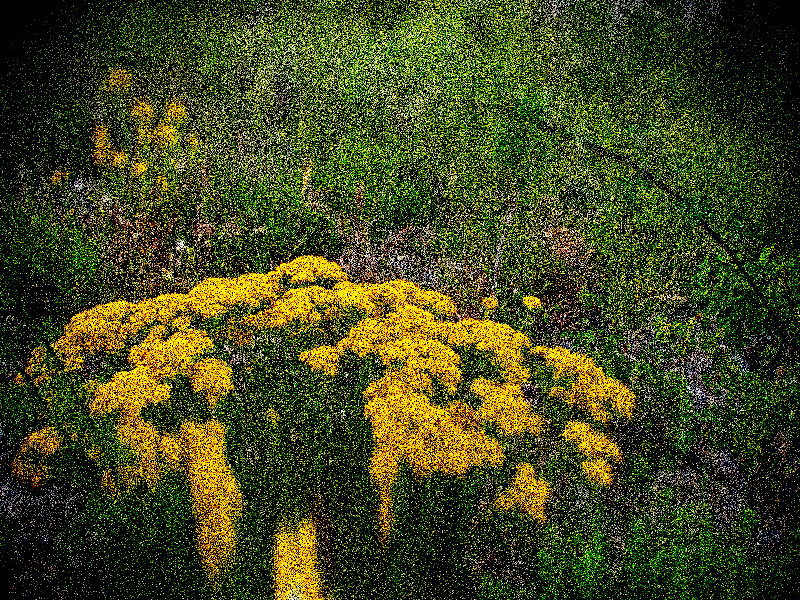

Court Painter & Alyssum murale 1