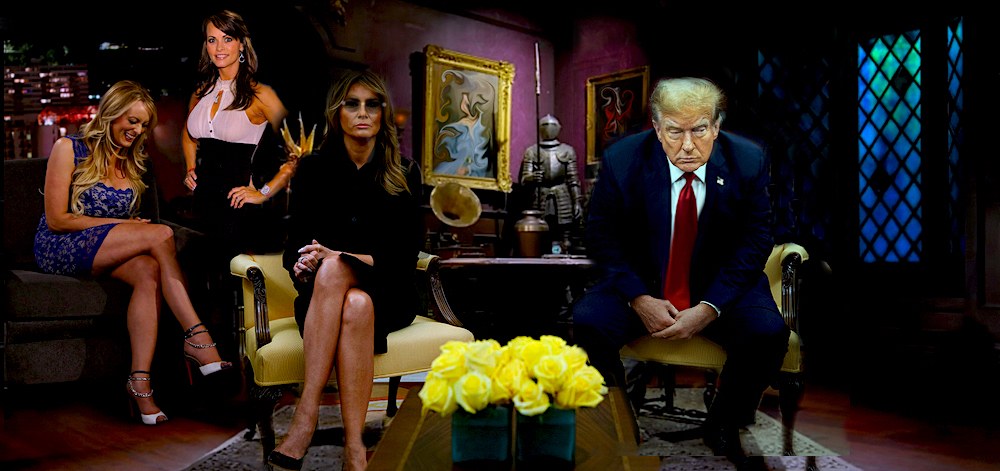
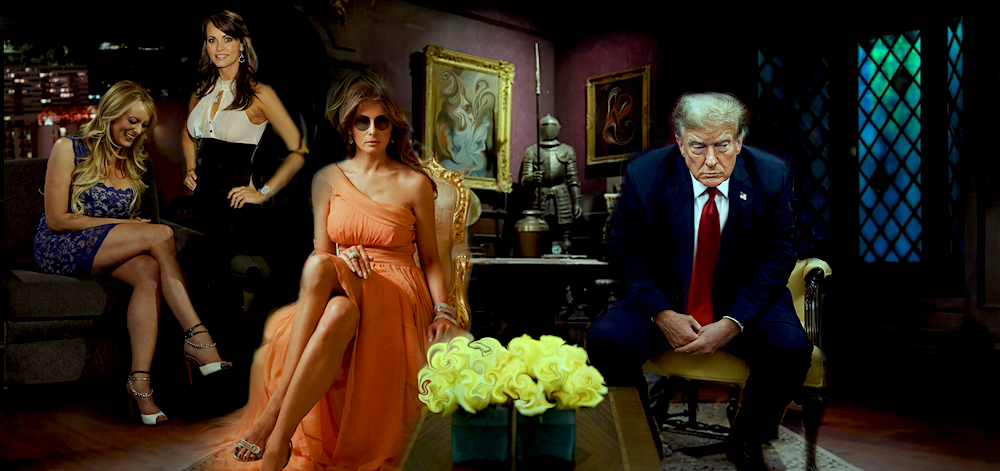
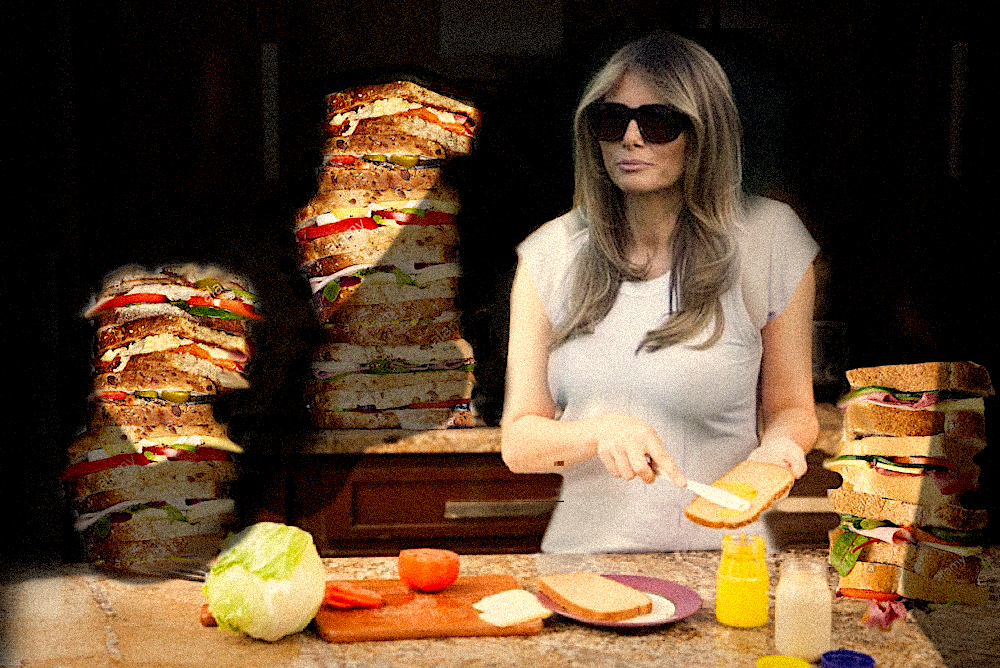
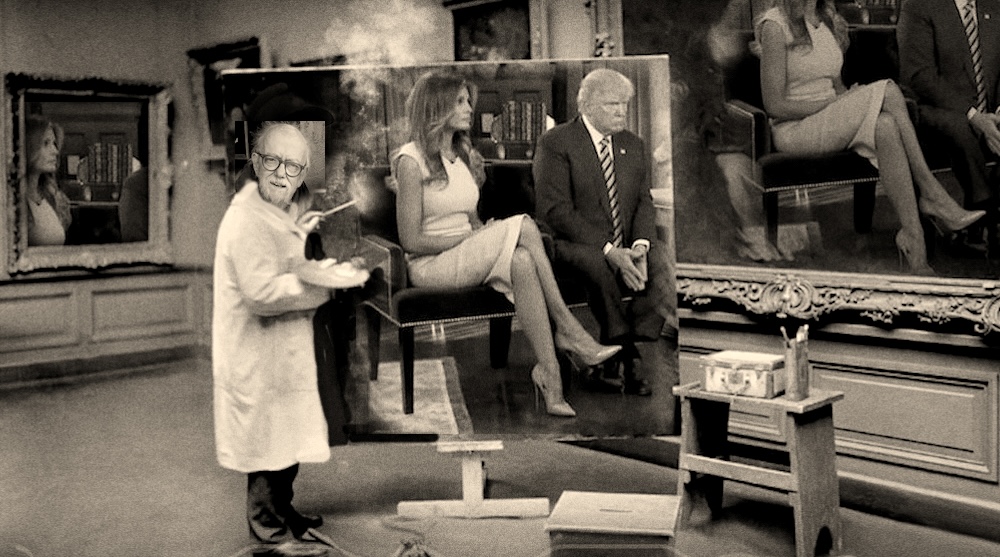
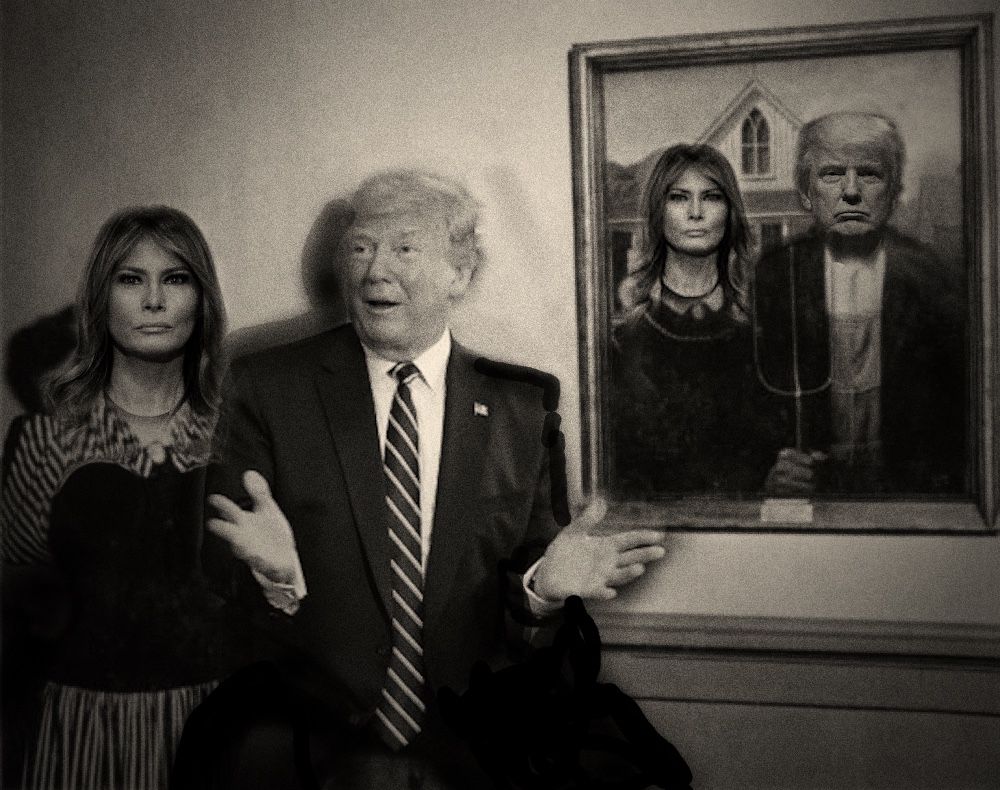
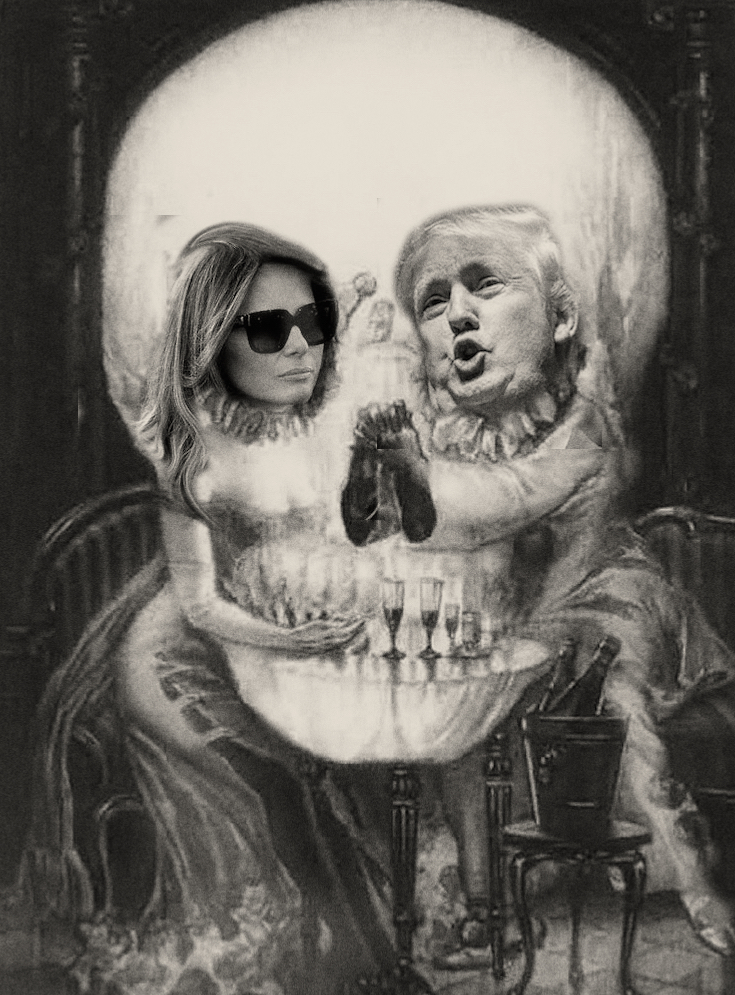
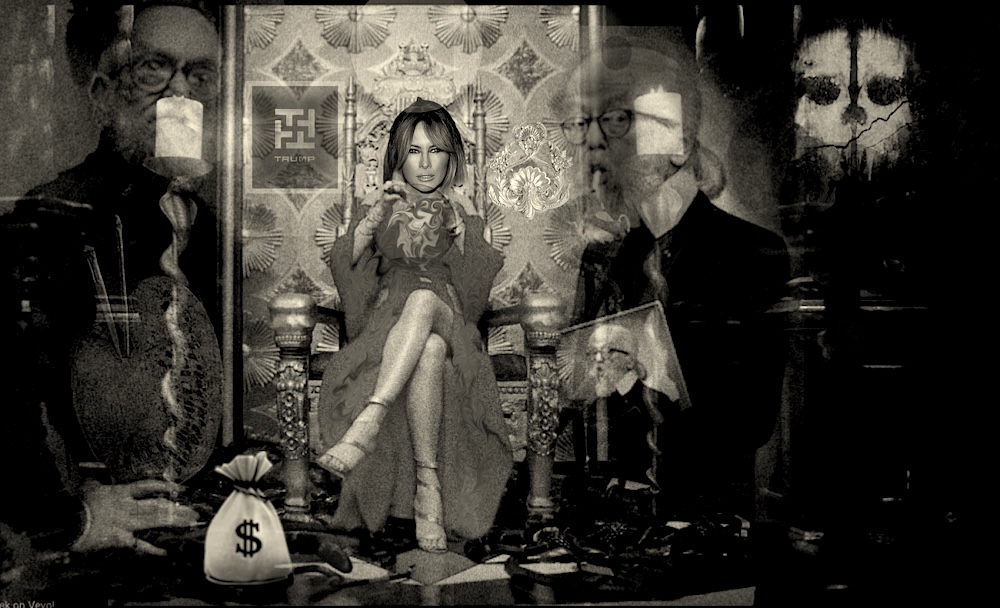
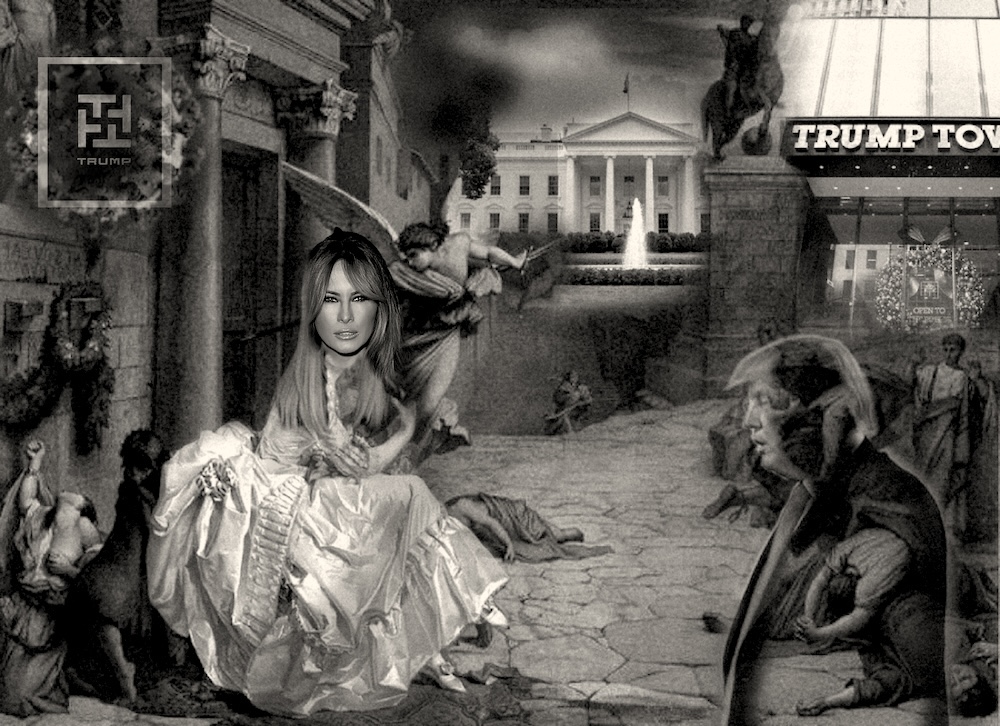
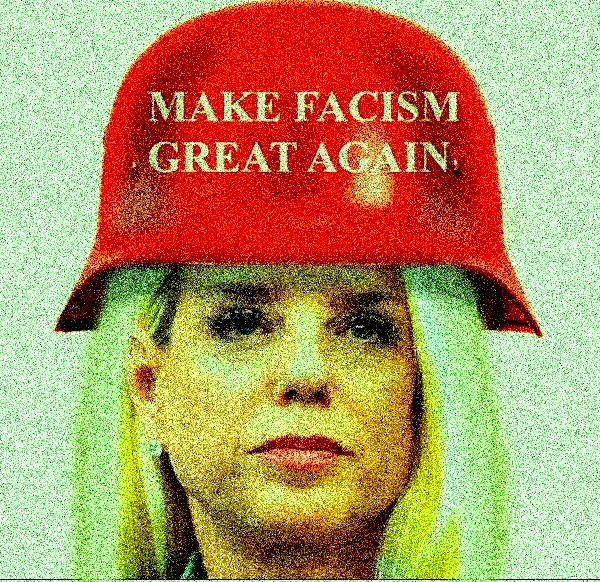
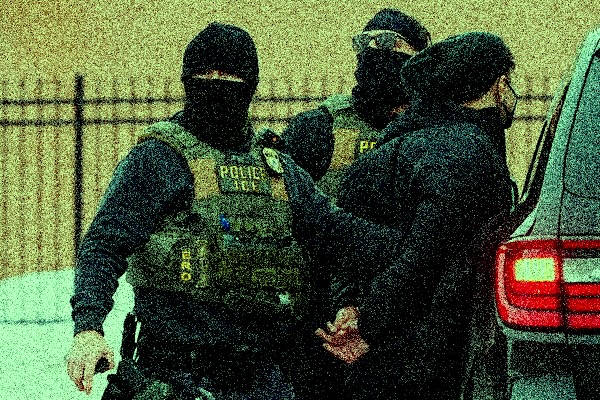
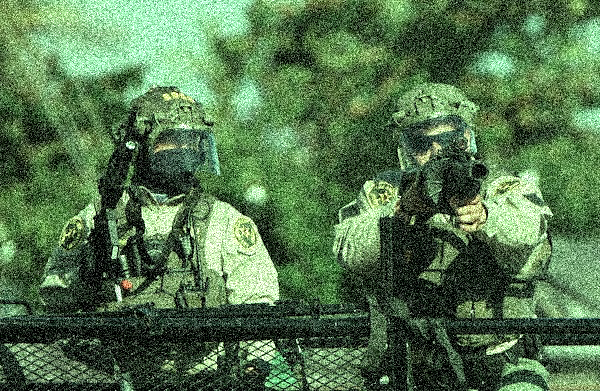
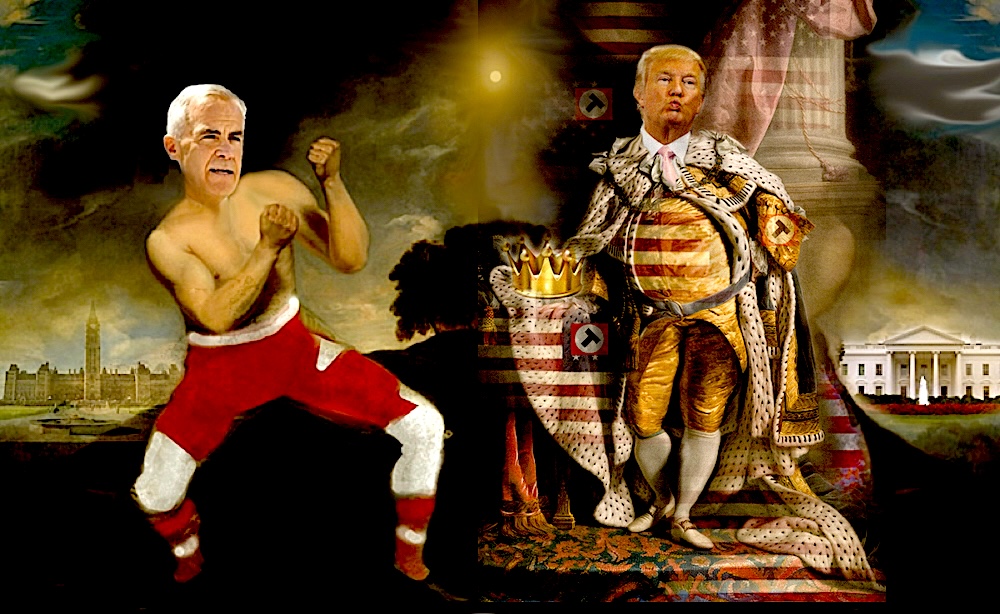
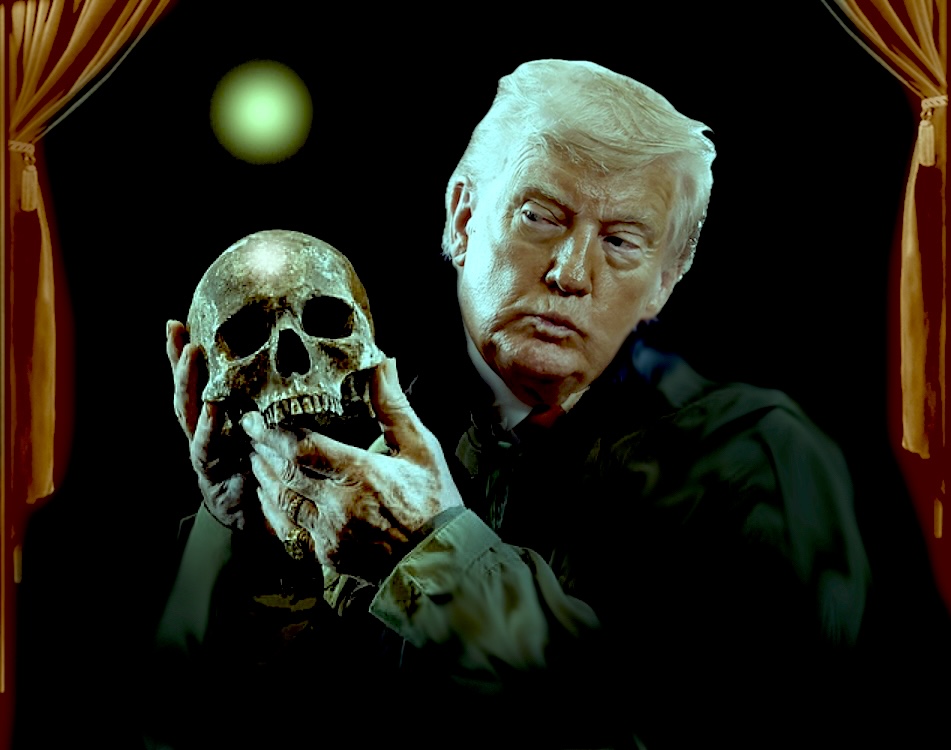
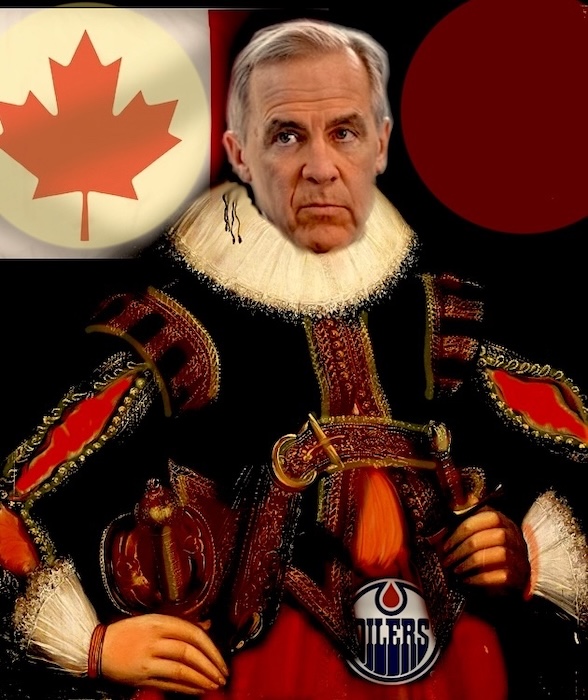
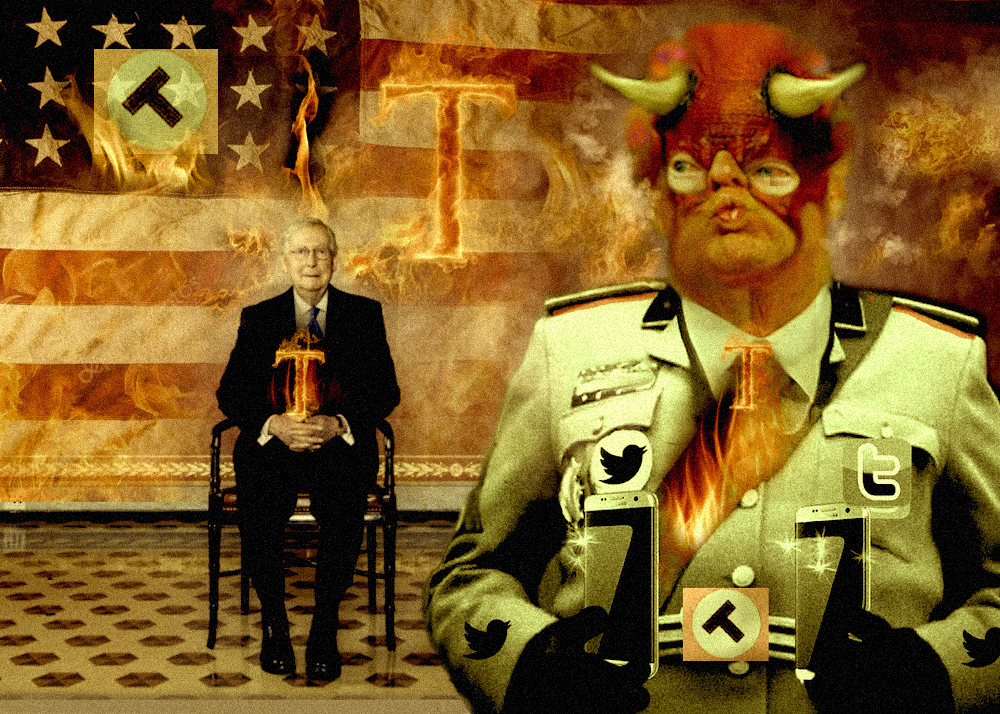
With the news that Melania Trump is now a movie star, and with most reviews now in, Court Painter felt compelled to remind the art loving public that his portraits of Melania over the years are poignant reflections of his search for capturing the elusive evidence of her soul , pursued through revelatory renderings and meticulously expository visualizations, in a variety of contexts.
Court Painter’s Press Attache and canvas stretcher AHM was tasked with selecting a number of paintings where Melania appears and where she steals every scene.
Many viewers of these works commented, “Melania is definitely straight from central casting and deserves to be in a self promotional film .”
Trump team has secret meetings with Alberta separatist group plotting to break up Canada
Adding fuel:
U.S. Treasury Secretary Scott Bessent said ““I think we should let them come down into the U.S., and Alberta’s a natural partner for the U.S…They have great resources. The Albertans are very independent people, adding there’s a “rumour that they may have a referendum on whether they want to stay in Canada or not.”
When asked if he knew something about it, Bessent said, “People (in Alberta) are talking. People (in Alberta) want sovereignty. They want what the U.S. has got.”
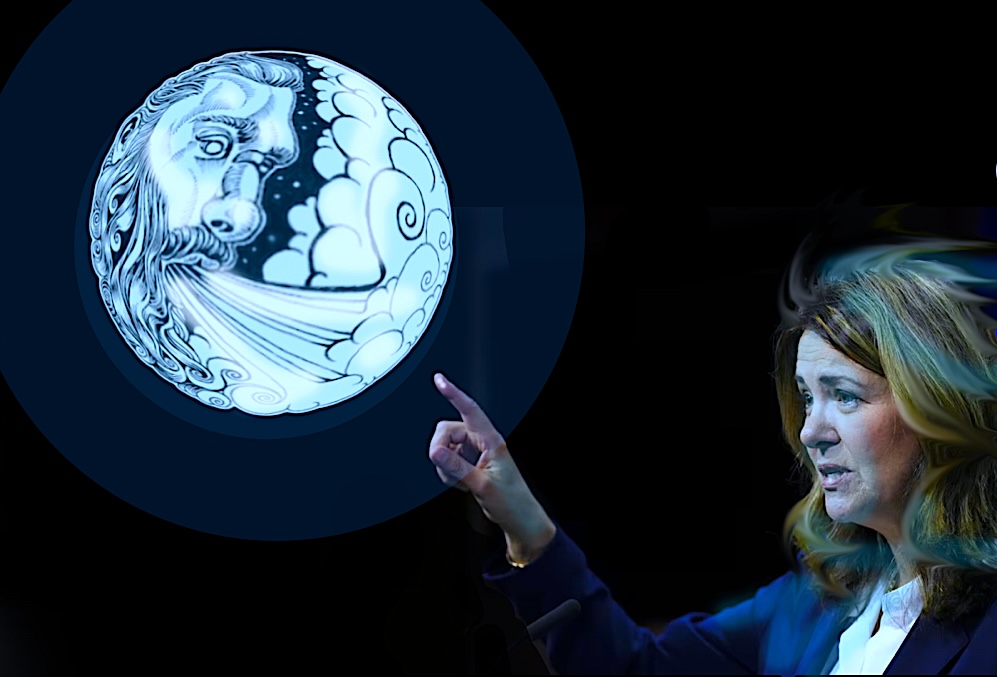
On Premier Danielle Smith’s Saturday radio show, Your Province, Your Premier, Smith was asked by host Wayne Nelson about her reaction to Bessent’s remarks, given that a petition was launched earlier this week by a group who want Alberta to hold a referendum on separating from Canada — as well as First Nations groups launching legal action against it because they believe it violates their constitutional rights.
Premier Smith asserted she doesn’t believe separatists have interest in being part of the U.S.
Trump officials have met with activists from the Alberta Prosperity Project, a separatist group that wants independence for its province.
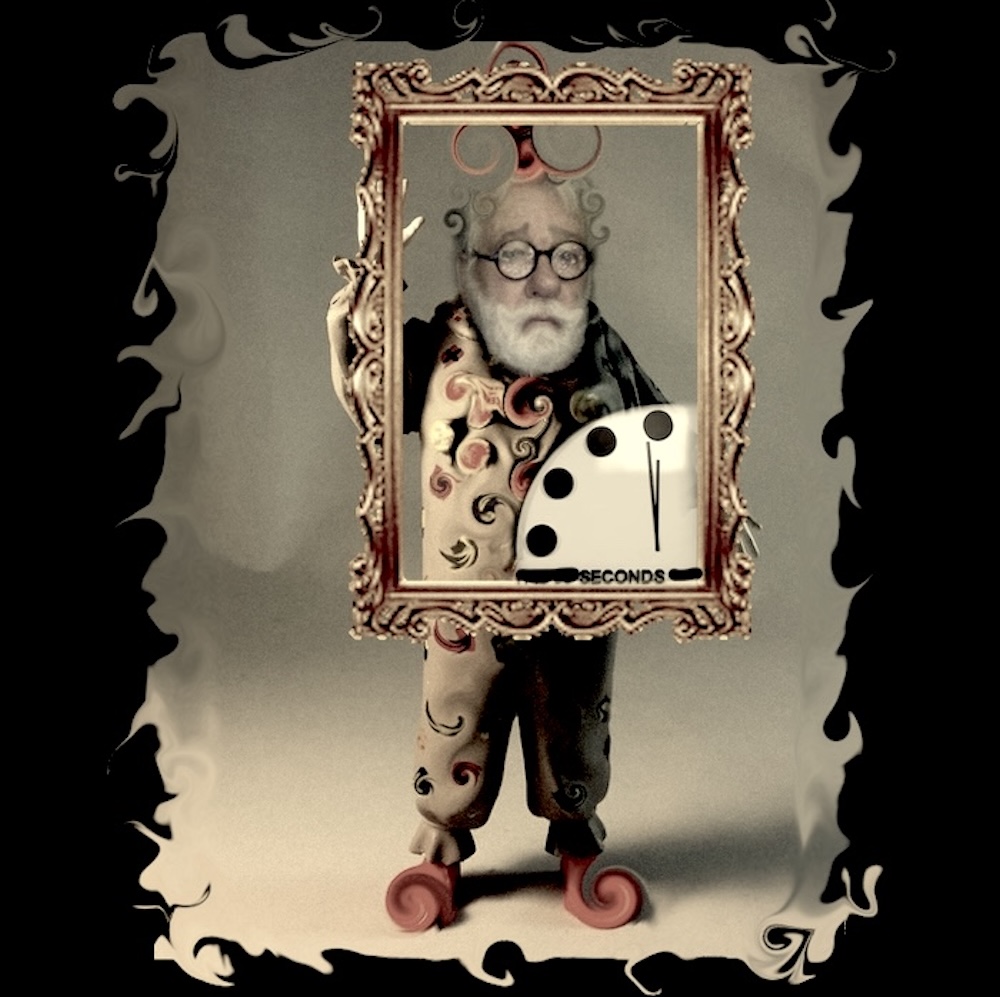
(News Nation) — Earth is moving closer to destruction, a science-oriented advocacy group said Tuesday January 17/26 as it advanced its “Doomsday Clock” to 85 seconds till midnight, the closest it has ever been.
The Bulletin of the Atomic Scientists made the annual announcement Tuesday — which rates how close humanity is to ending — highlighting that Russia, China, the United States and other countries have become “increasingly aggressive, adversarial and nationalistic.”
In 1947 ,at the dawn of the nuclear age, scientists created the Doomsday Clock as a symbolic representation of how close humanity is to destroying the world.
What do we know about the human mind? If you don’t understand the human mind, you cannot understand A.I.
We’re on this race to replace. Not just ultimately trying to replace all jobs. There’s a race to replace human relationships. The attention economy is shifting more towards an attachment economy.
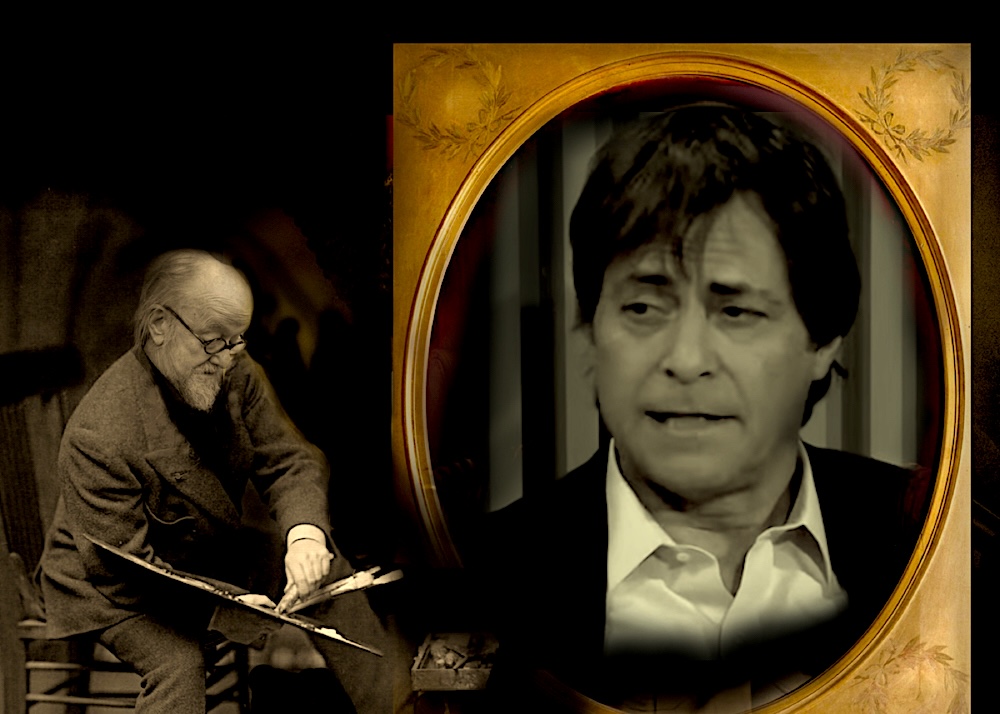
Court Painter & Max Tegmark
We don’t need to reinvent the wheel of how to put safety standards on an industry because we’ve done it in every American industry except A.I.
Harari and Tegmark on Humanity and A.I.
Yuval Noah Harari, Historian, Philosopher & Bestselling Author and Max Tegmark, Co-Founder, Future of Life Institute; Professor, Massachusetts Institute of Technology (MIT)discuss human agency, governing A.I. and the future of humanity with Bloomberg’s Francine Lacqua at Bloomberg House in Davos on the sidelines of the 2026 World Economic Forum.
Edited from video : spoken text by Yuval Noah Harari .
A.I. is the biggest psychological and social experiment in history and we are conducting it and nobody has any idea what the consequences will be.
To change the world, to change history, you don’t need superintelligence. Very dumb intelligence is still enough to change history.
Look at social media, which is controlled by very, very primitive A.I. and how social media changed society, politics, psychology over the last ten years or so. So we don’t really need, superintelligence, even quite primitive A.I. is sufficient to change history and society. I don’t know when we reach the point, but I’m sure that in the next decade or so, we will have to deal with a new wave of immigration… A.I. Immigration.
That we will have hundreds of millions of AI immigrants coming from only two countries, China and the US. And, you know, it’s strange, the U.S. still telling countries, close your borders to human immigrants, but open them wide to A.I. immigrants.
And the big question is, how does society, human society, adapt to a giant wave of immigration from a different species?
Democracy’s ideally suited to survive this because we are going to make mistakes with A.I., with the way we develop it, the way we deploy it. And we need a self-correcting mechanism. We need a mechanism that says, okay, we made a mistake. The best mechanism we know is democracy.
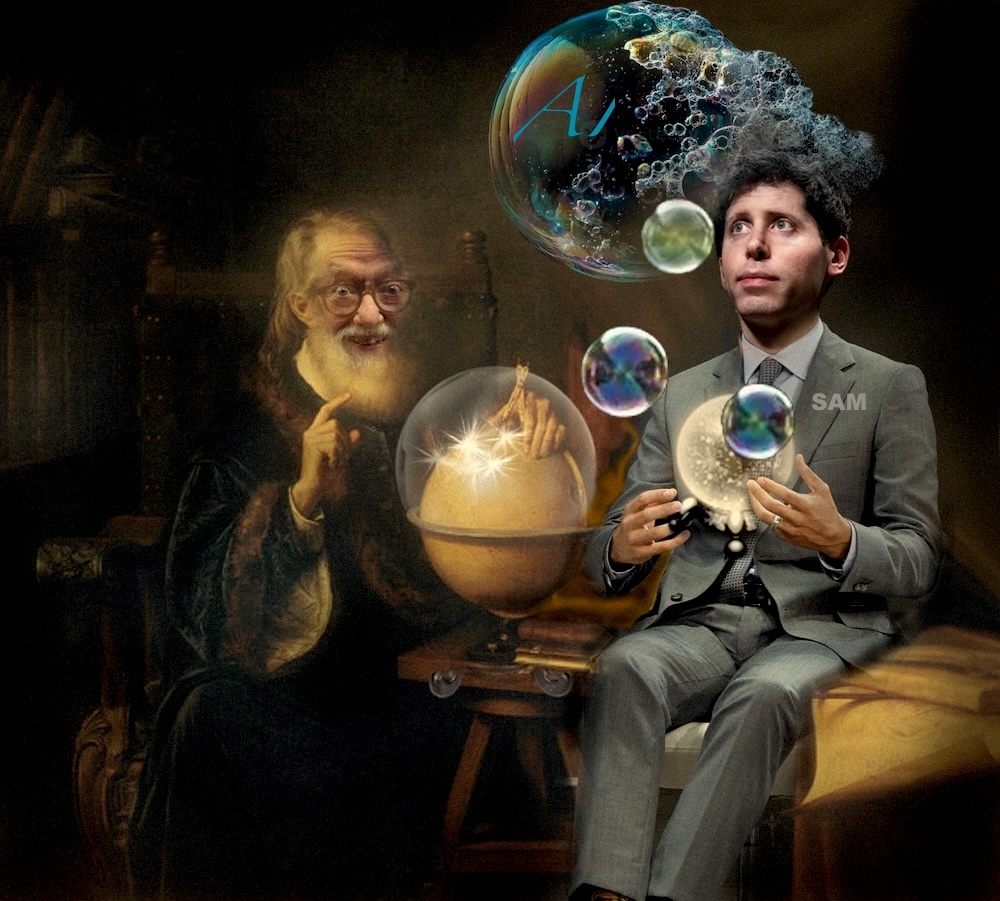
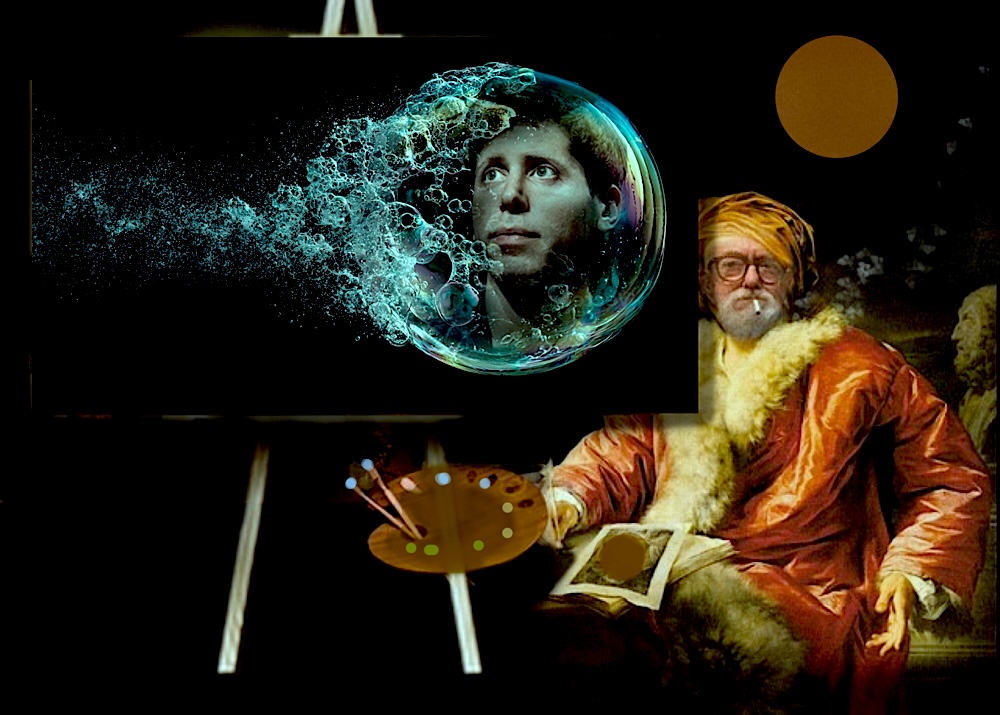
Court Painter & portraits of Sam Altman CEO of Open AI
With headlines proliferating in the wake of Prime Minister Mark Carney’s Davos speech, the Court Painter could not let the opportunity pass, so he assembled the latest local and international actual headlineswhile adding smart remarks for tone and texture with the help of a CP studio intern.
A Davos Chronicle
Carney bites back at Trump’s ‘Canada lives because of’ U.S.’ remarks at cabinet meeting ; Elbows up!
Lutnick calls Carney’s speech “political noise,” cautions Canada on China’s deal— thus buzz the flies when eagles take the air.
Carney risks wrath of Washington in Davos address.Thunder growls, as a menace hulks nearby .
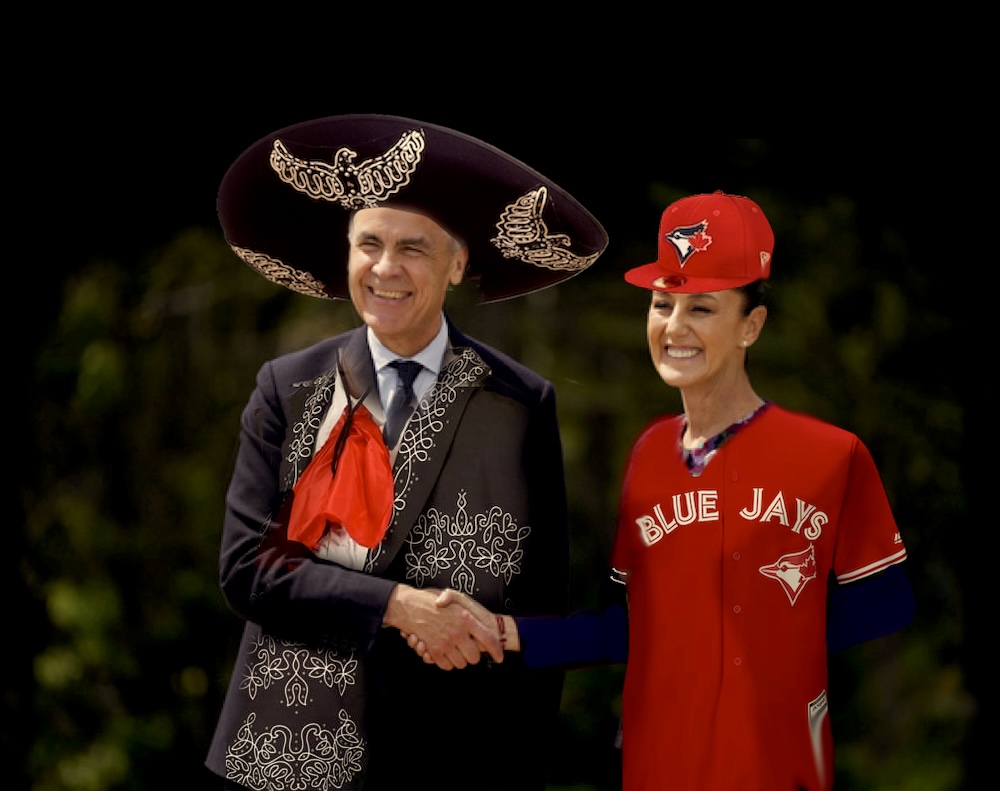
Carney’s Davos speech strikes a chord in Mexico; a welcome echo answers from the south.
The Carney Doctrine: proclaimed, yet still untested by the storm.
Carney’s China deal signals no confidence in Canada’s auto sector; the wheels turn hesitant, though gilded spokes abound.
After Davos, Conservatives ponder how Poilievre meets the foreign policy moment; they pace, they weigh, they measure doubt itself.
Carney must show force in the Arctic to ward off Trump’s designs; the ice bears witness, as claims drift north.
Carney should be skeptical of Trump’s “Board of Peace,” for peace once chaired often hides sharpening blades.
Carney takes a cautious approach to Trump’s invitation, reads, ponders, rereads the summons trice.
The speech marks an end to Canada’s era of American subordination— a tether cut, though menace remains.
Carney calls for resistance in a world of ravenous powers; the middle powers groan beneath the weight.
They say Mark Carney shook the world; the globe trembles, then resumes its spin.
Carney talked tough before the world— now words beg deeds, as flowers beg the sun.
For Carney, the cost of doing business is a price he’s willing to pay; coin rings louder if conviction grows thin.
New Rules: Carney changed the global conversation; the room remains, new sentiments enter the fray.
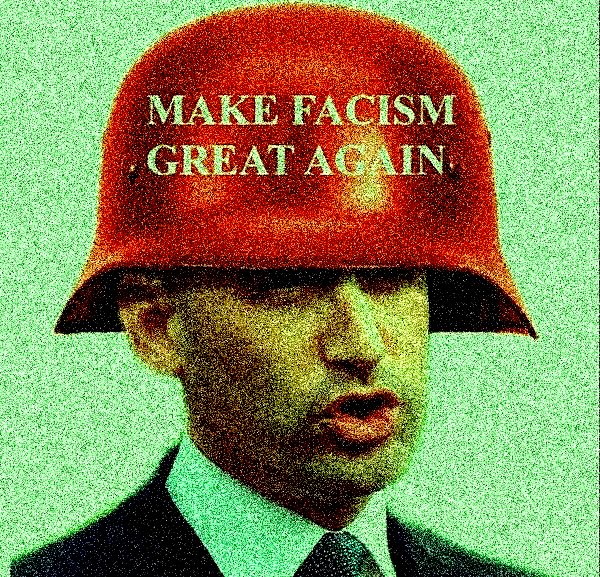
Jamil Jivani, close to JD Vance, waits as a shadow ally should he prove worthy.
Carney’s Davos speech was great— if he meant it.;The question hovers in the air like mist.
Prime Minister Mark Carney says great powers are using ‘economic integration as weapons’
‘The old order is not coming back,’ Carney says in provocative speech at Davos
Prime Minister Mark Carney delivered a frank assessment of how he views the world in a provocative speech in Davos, Switzerland, on Tuesday, where he said the longstanding U.S.-led, rules-based international order is over and middle powers like Canada must pivot to avoid falling prey to further “coercion” from powerful actors.
Source CBC News
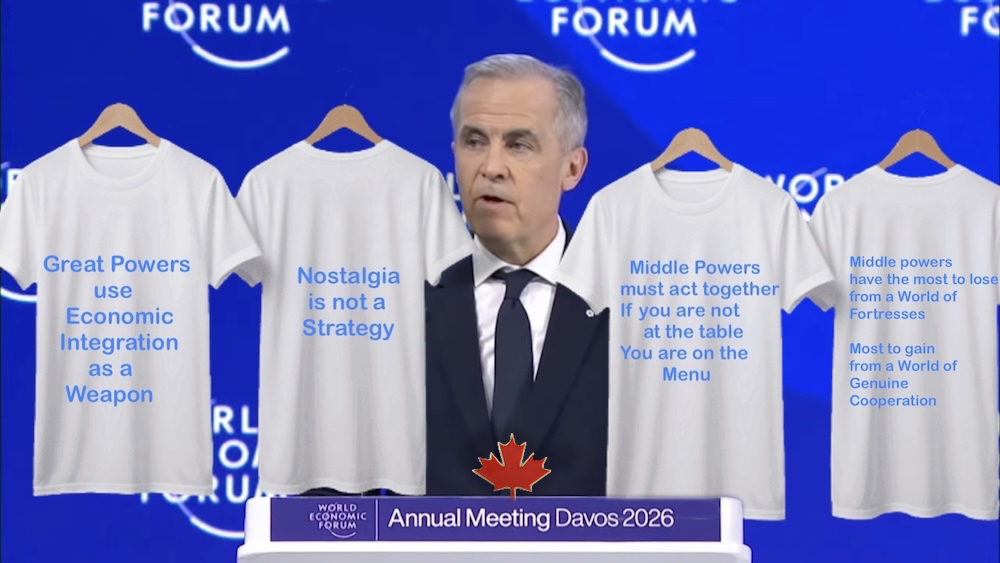
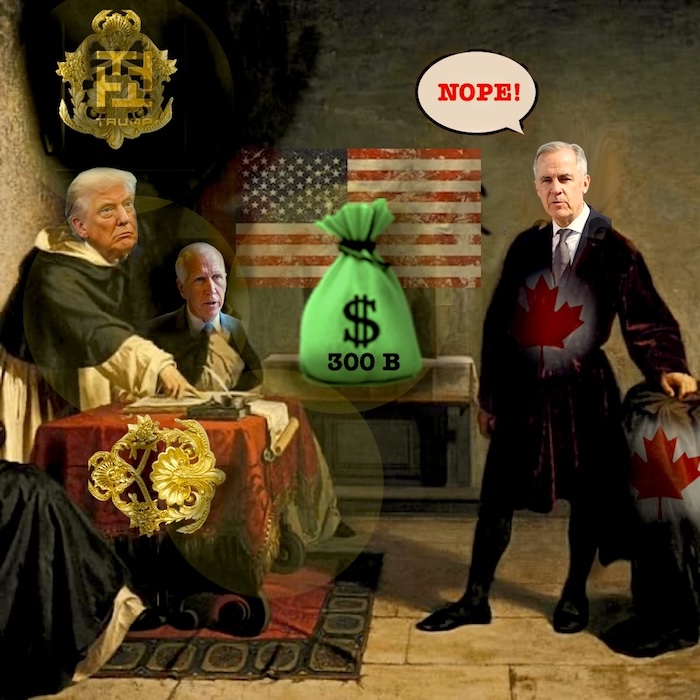
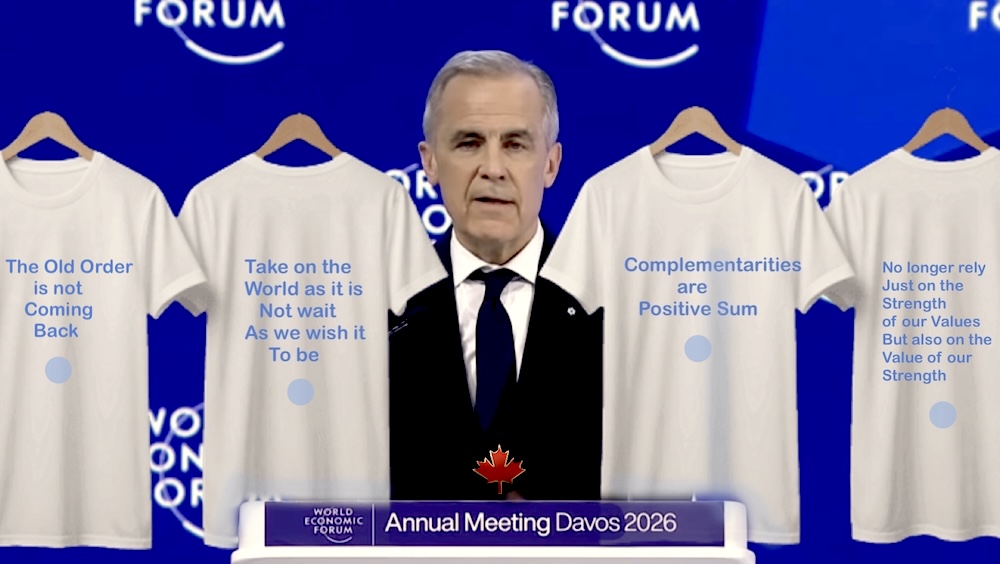
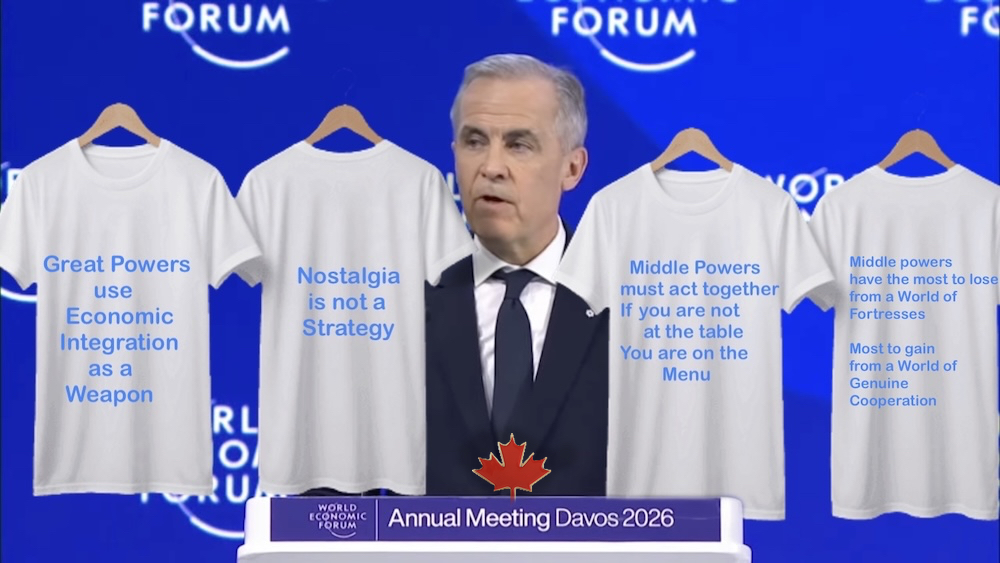
Court Painter, in a burst of enthusiastic entrepreneurship, grabbed a series of quotes from Prime Minister Carney’s historic Davos speech and got busy in the studio, screen-printing some of the Prime Minister’s favourites.
The Court Painter marketing strategy will be aimed squarely at Middle Power customers.
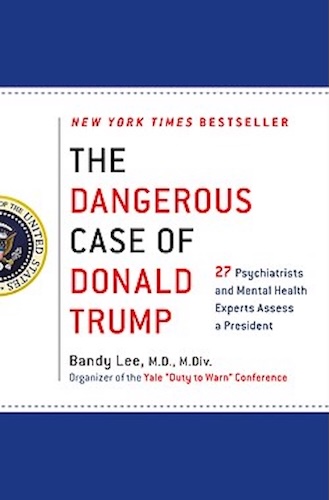
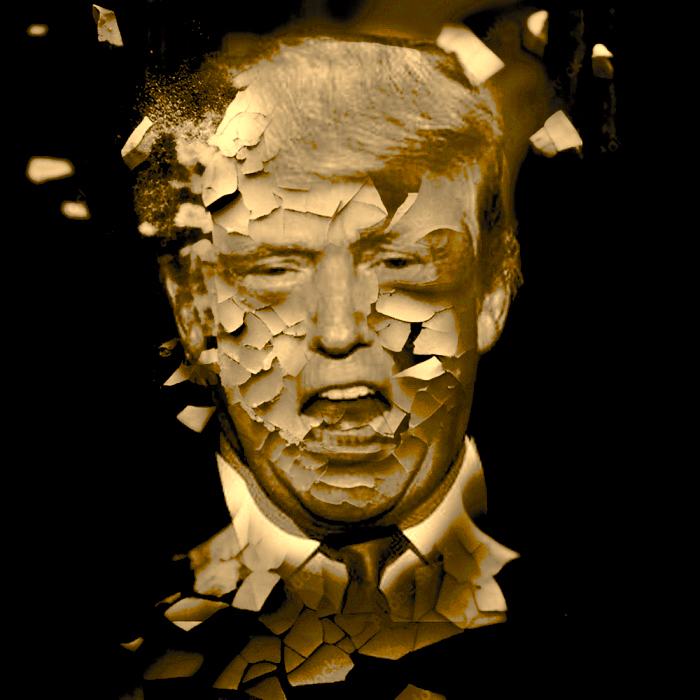
The Dangerous Case of Donald Trump first published in 2017
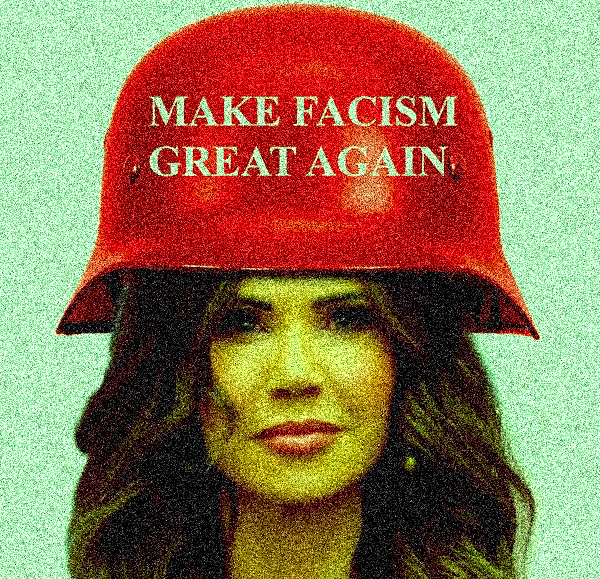
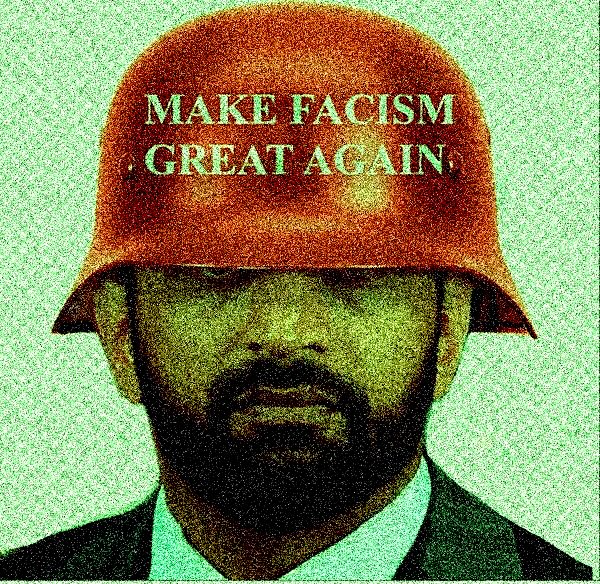
US Supreme Court Enablers
The following video was broadcast on October 6,2017, over 8 years ago.
1,947,958 views Oct 6, 2017
In the book, 27 psychiatrists and mental health experts assess President Donald Trump’s behavior. Do his impulses explain his decisions? The book’s editor Dr. Brandy Lee and Tony Schwartz, co-author of Trump’s “The Art of the Deal,” join Lawrence O’Donnell.
Fast Forward to January 2026.
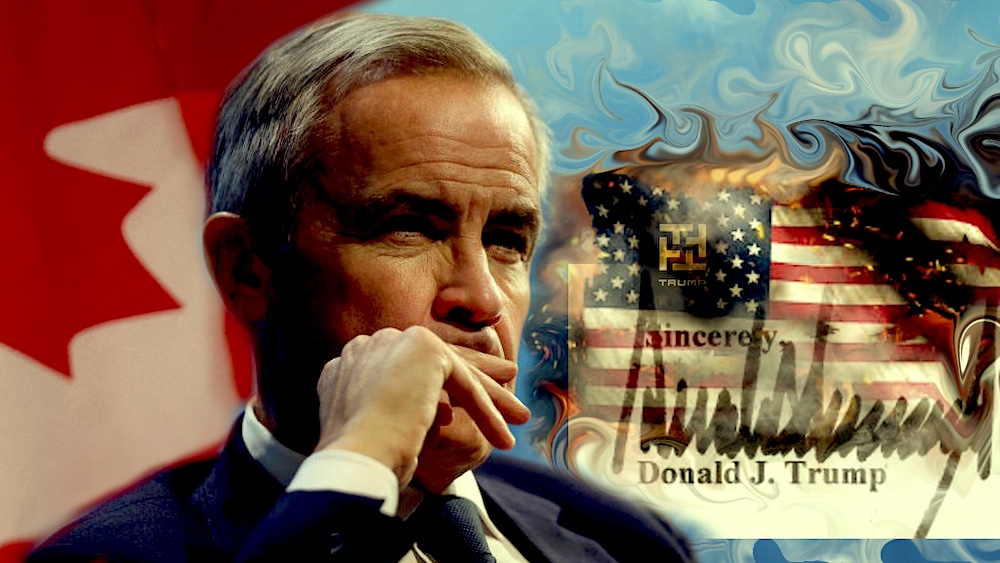
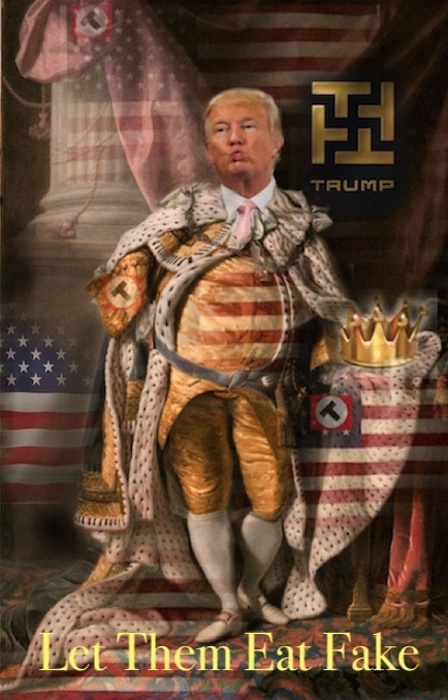
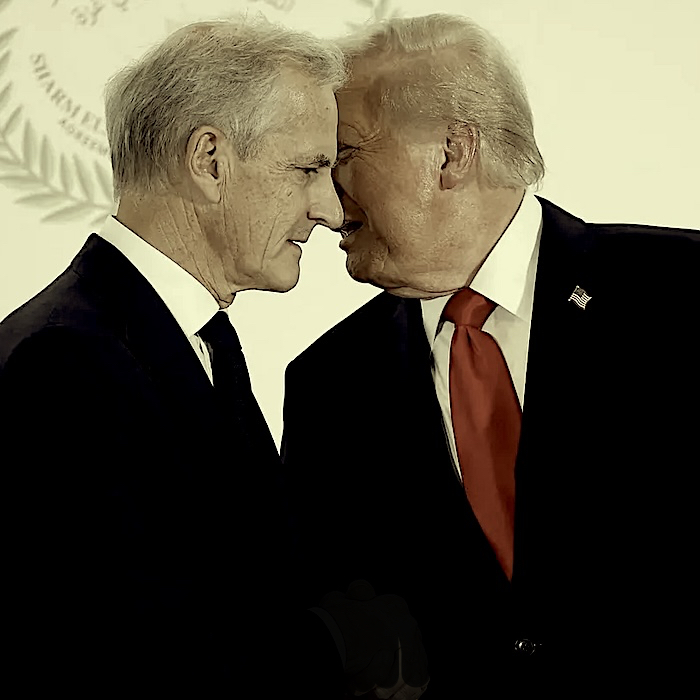
On Sunday,January 18,2026 President of the United States, Donald J Trump wrote a letter to the prime minister of Norway, Jonas Gahr Støre. The White House National Security Council distributed the text of the letter to foreign ambassadors in Washington.
Dear Jonas,
Considering your Country decided not to give me the Nobel Peace Prize for having stopped 8 Wars PLUS, I no longer feel an obligation to think purely of Peace, although it will always be predominant, but can now think about what is good and proper for the United States of America. Denmark cannot protect that land from Russia or China, and why do they have a “right of ownership” anyway? There are no written documents, it’s only a boat that landed there hundreds of years ago, but we had boats landing there, also. I have done more for NATO than any person since its founding, and now, NATO should do something for the United States. The World is not secure unless we have Complete and Total Control of Greenland.
Thank you! President DJT
Gahr Støre responded;
“Norway’s position on Greenland is clear. Greenland is a part of the Kingdom of Denmark, and Norway fully supports the Kingdom of Denmark on this matter.As regards the Nobel Peace Prize, I have clearly explained, including to president Trump what is well known, the prize is awarded by an independent Nobel Committee and not the Norwegian Government.”
According to a well-connected source, the Court Painter diplomatically relayed through back channels , advice to Prime Minister Carney to avoid former prime minister Trudeau’s penchant for drawing undue attention to himself while visiting foreign destinations. Trudeau’s famous fashion bomb was an effort to blend in during his 2018 trip to India. (seen here with fashion coach Court Painter who was subsequently fired while Trudeau has moved on to date celebrity Katy Perry)
Prime Minister Justin Trudeau and fashion coach Court Painter Feb. 20, 2018.
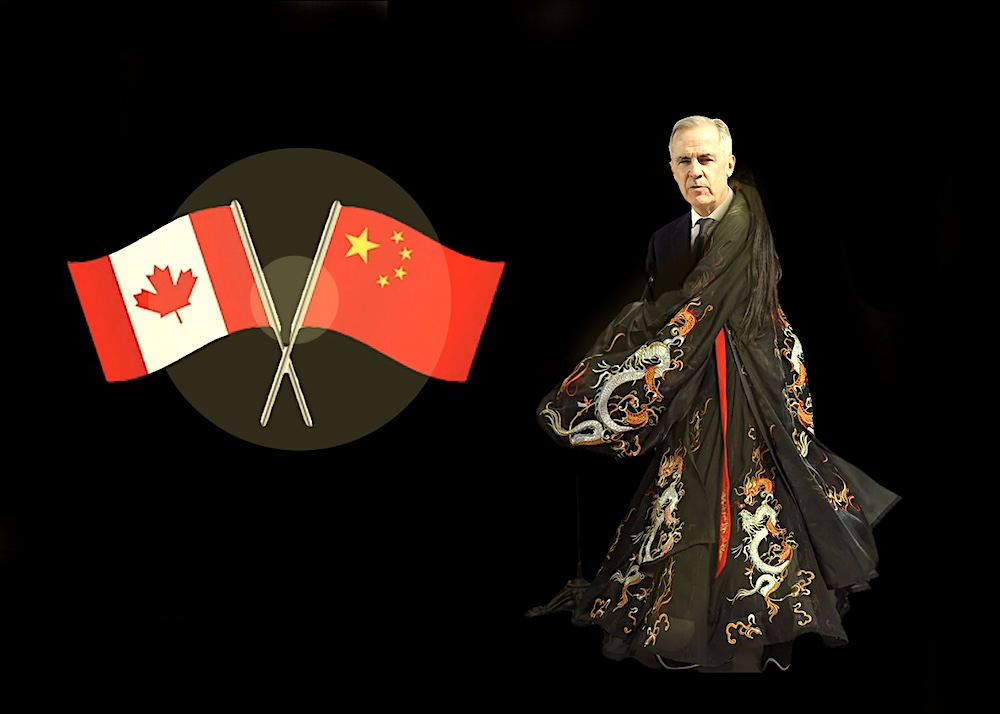
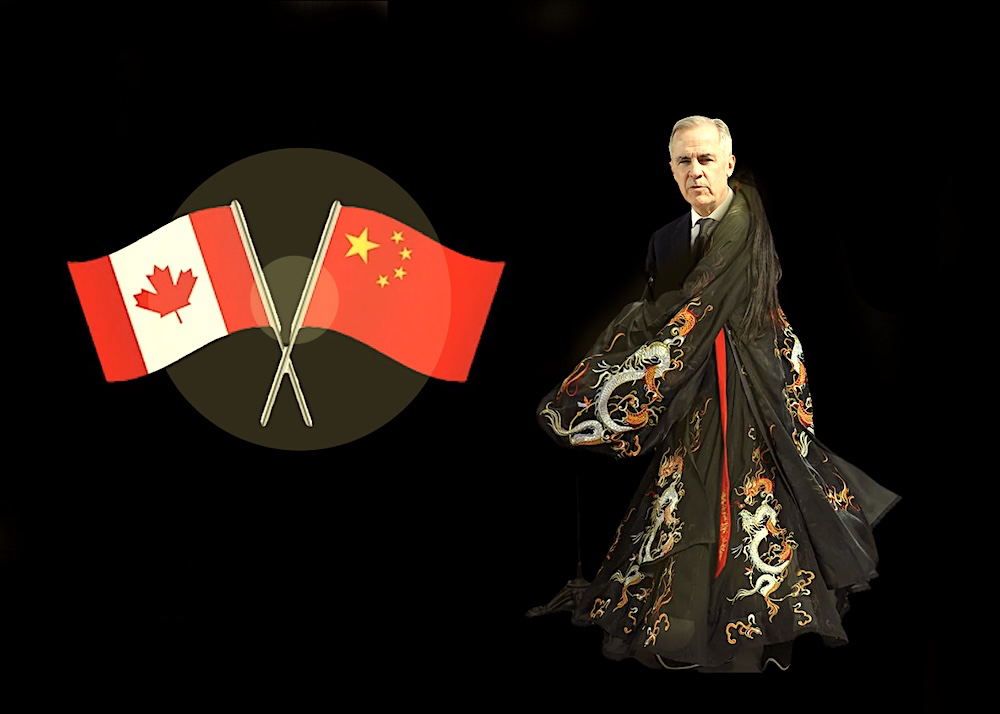
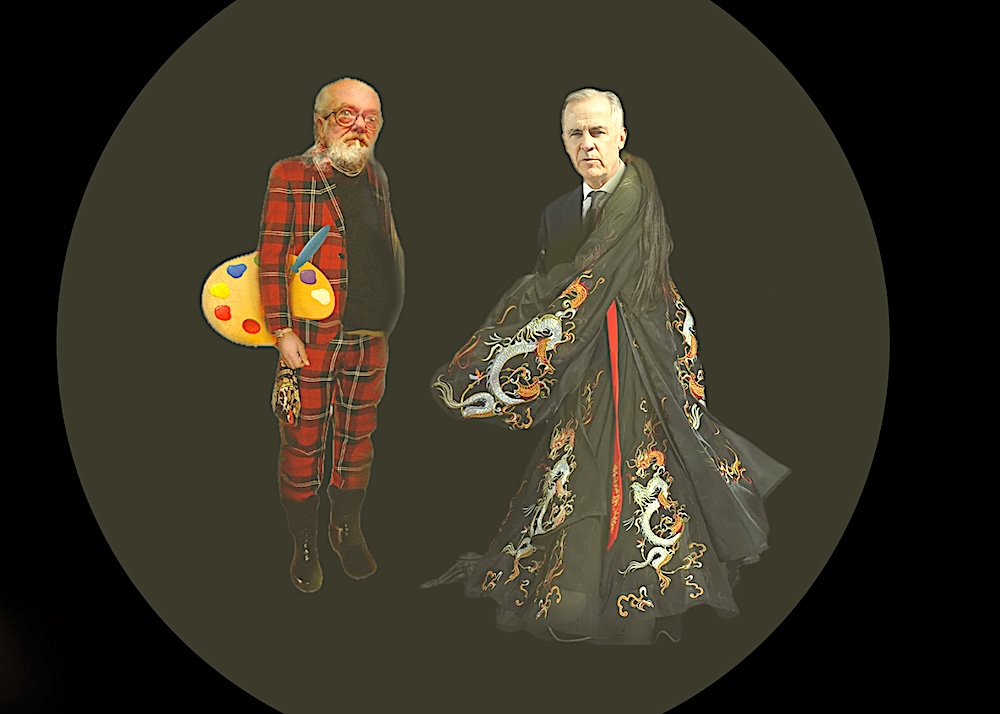
So following Trudeau’s fashion overstatement and with Carney’s ascension , never say die fashion coach Court Painter took another run at it by boldly suggested a wardrobe power suit solution for Carney’s current journey to China: fashionable, yet decidedly understated; guaranteed to land a deal!
Editor’s note: In the play Hamlet, the pompous, fastidious Polonius proclaims:
“The apparel oft proclaims the man”
Fashion at work!
Prime Minister Carney and President Xi secured a preliminary agreement-in-principle with landmark measures to remove trade barriers and reduce tariffs:
By March 1, 2026, Canada expects that China will lower tariffs on Canadian canola seed to a combined rate of approximately 15%. China is a $4 billion canola seed market for Canadian producers, and this change represents a significant drop from current combined tariff levels of approximately 85%.
Canada expects that Canadian canola meal, lobsters, crabs, and peas will not be subject to relevant anti-discrimination tariffs from March 1, 2026, until at least the end of this year.
Together, these results will help unlock nearly $3 billion in export orders for Canadian workers and businesses as they realise the full potential of the massive Chinese market of 1.4 billion people.
Finally, to build on this momentum, Canada has set an ambitious goal to increase exports to China by 50% by 2030. To achieve this outcome, Prime Minister Carney and President Xi discussed increasing two-way investment in clean energy and technology, agri-food, wood products, and other sectors.