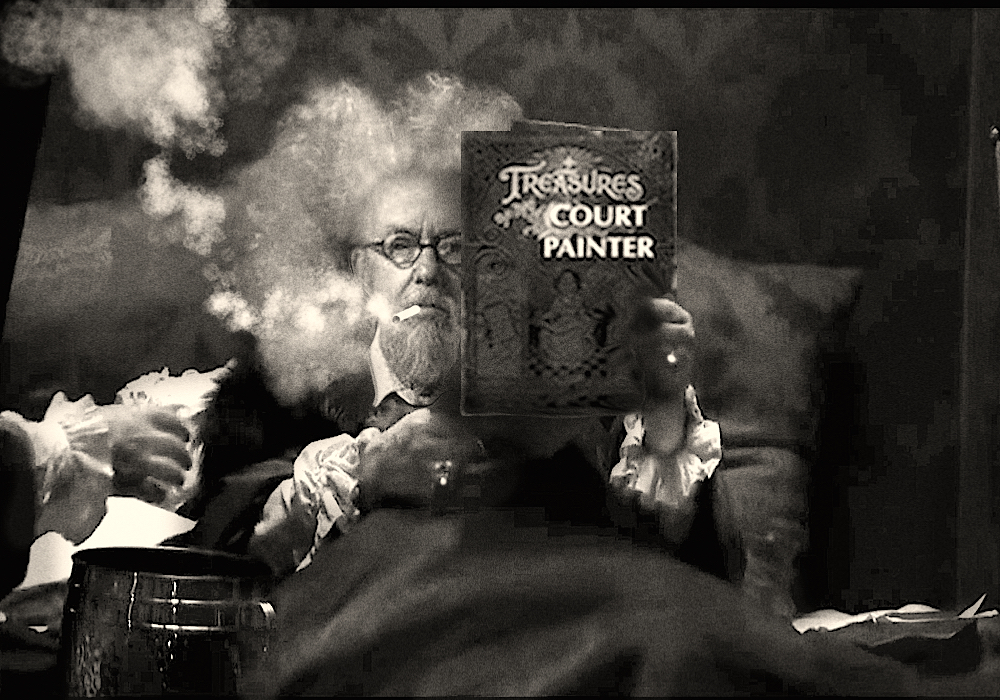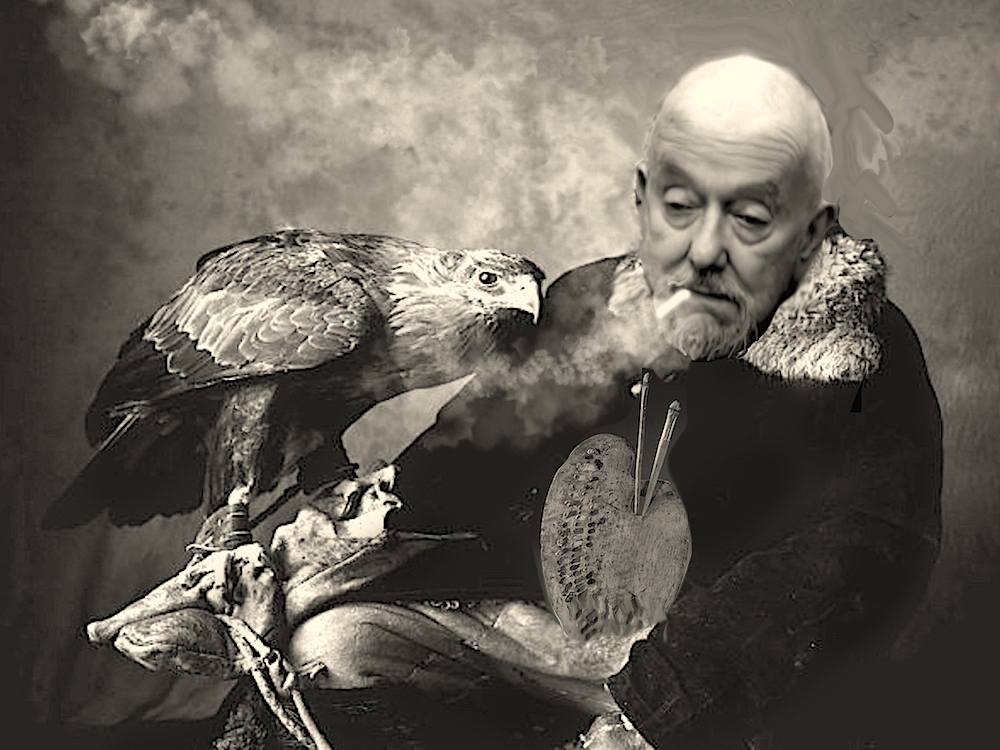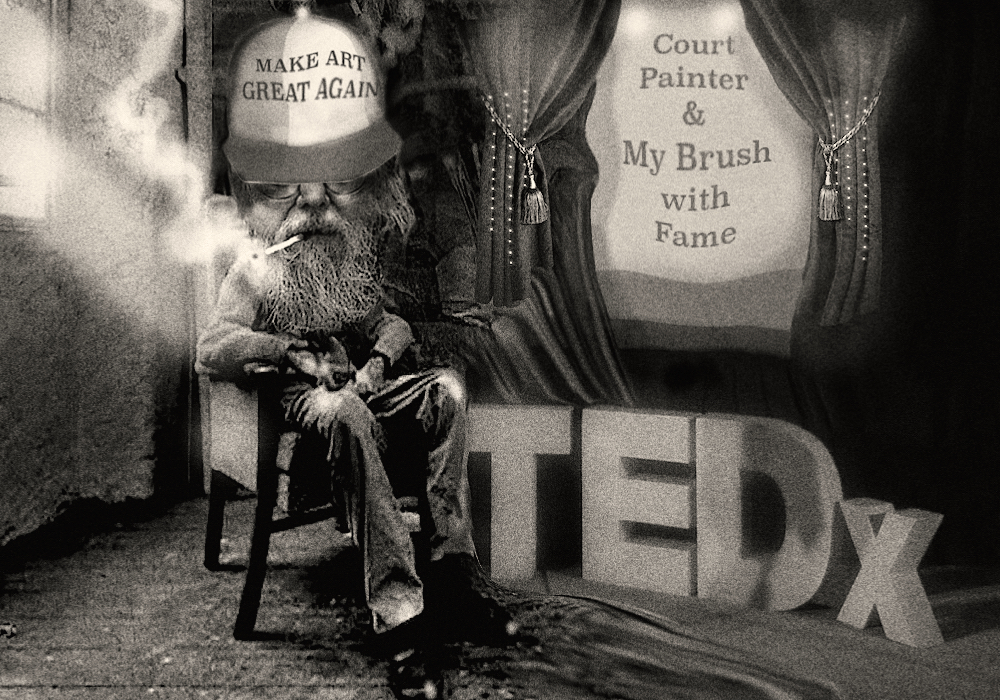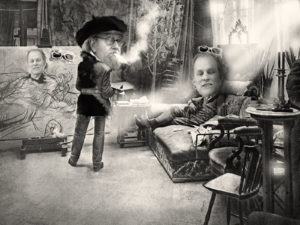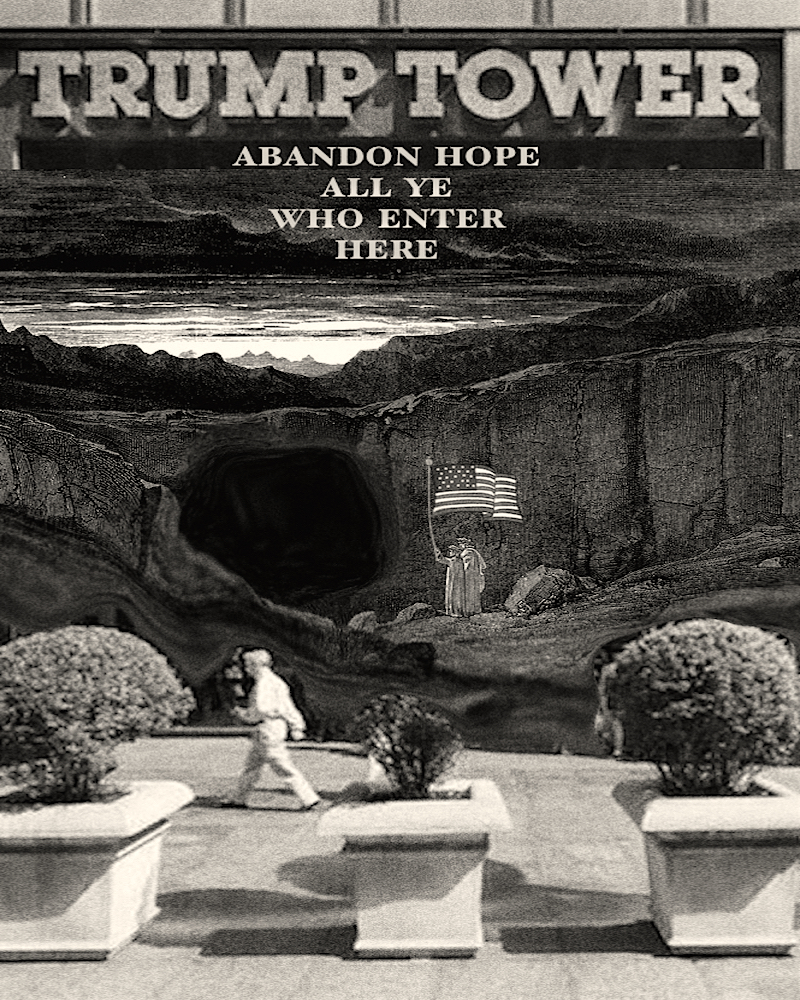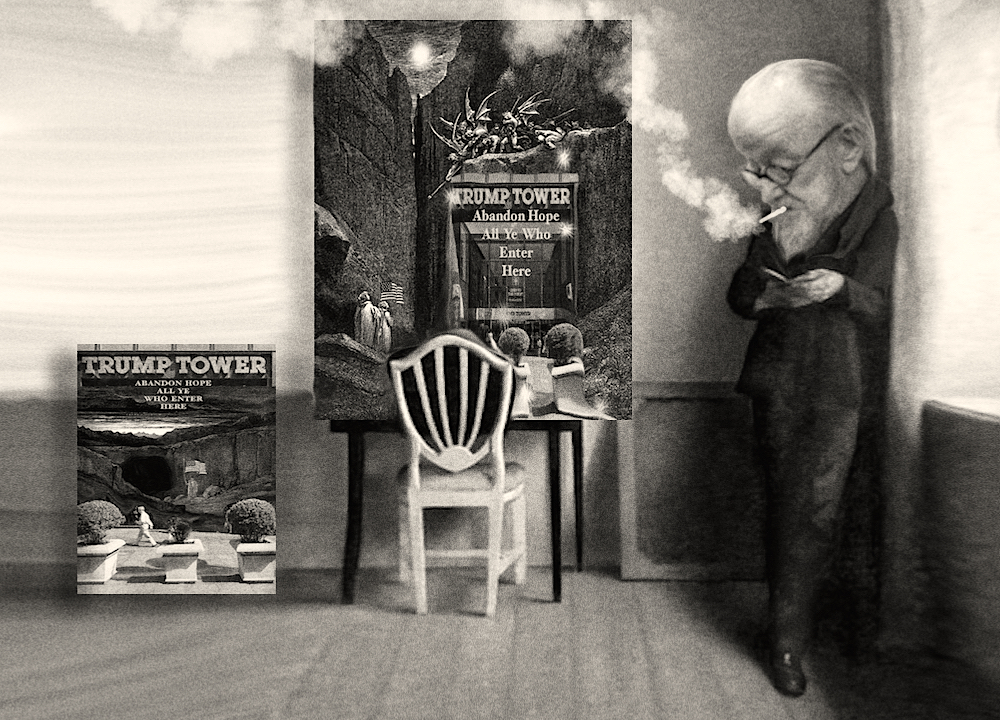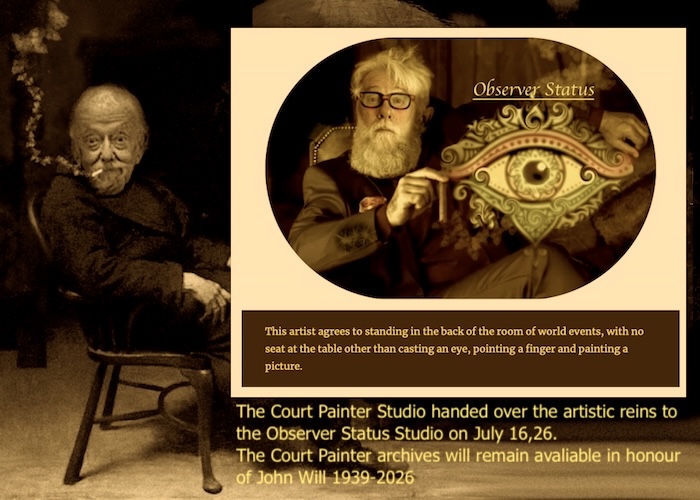
Court Painter’s is not above money grubbing

(Editors note: Any resemblance to an article by Margaret Wente is a figment of your imagination)
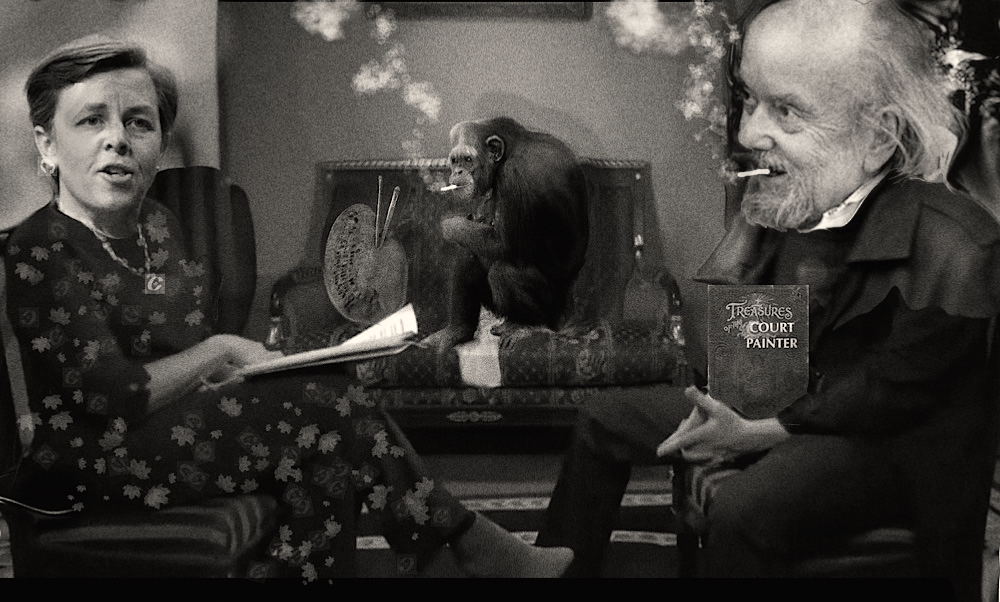
Money is the oxygen of art. And artists are always in need of money. Just the other day, the Court Painter himself sent out an e-mail. “Absolutely urgent,” he said. “My studio only has until midnight tonight to reach $1-million in grassroots online donations. But we won’t make it without you.”
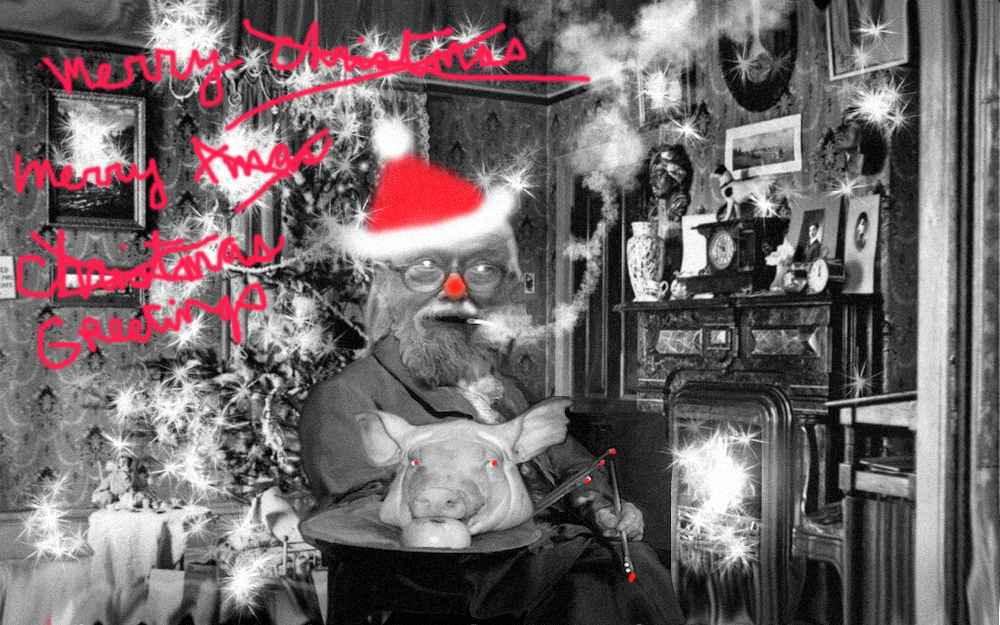
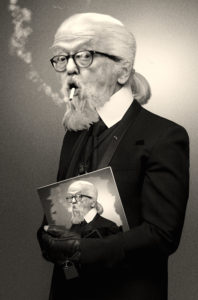
You get something too. For $99, an ash tray emblazoned with the Court Painter’s logo. For $199, a monogramed smoking jacket Plus a faux fur hat!

The trouble with Court Painter’s elite fundraisers isn’t so much that he has them. Every celebrity artist has them, in one form or another. Studio Access is always on offer to those conversant in art speak and/or look like they have money. The trouble was pretending that, unlike every other artist who ever lived, he is above art politics and money grubbing.


The Court Painter studio’s own rules state, “There should be no preferential access to the studio, or appearance of preferential access” for party animals or royalty stand ins. That is a mistake. Not even saints could meet this standard – and the Court Painter is no saint.
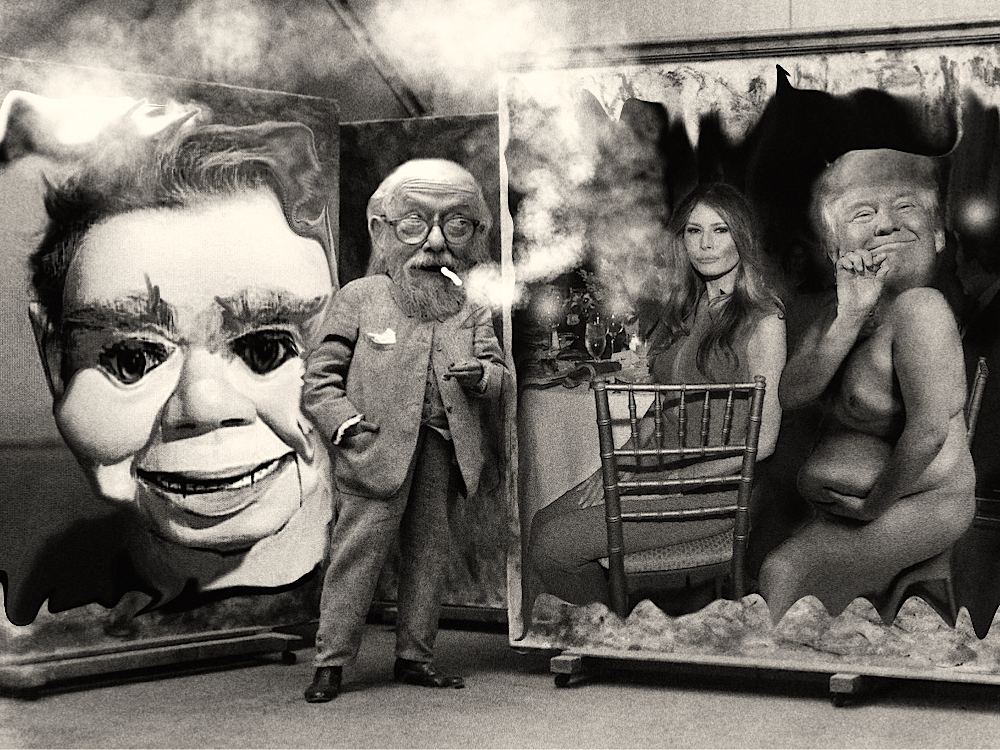
There is always a quid pro quo for generous donors to the studio party, even if it’s just a quick sketch souvenir of you by the Master that will impress your friends.What got Court Painter into his present predicament was his ludicrous efforts to deny what every intelligent person knows except for Court Painter’s Press attache A Hardon MacKay who declared last month. “Studio fundraising events are ‘party till you drop’ functions where we do not discuss the portrait business or monetization opportunities”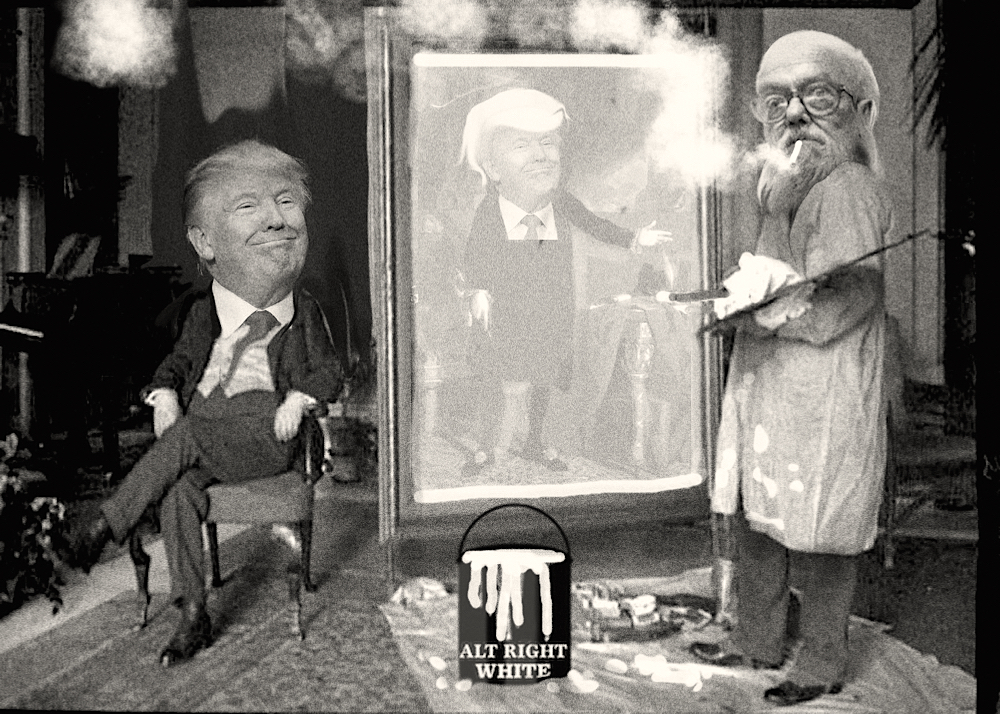
This week, Court Painter finally conceded that guests who pay for studio access to his presence do occasionally wish to talk about something other than the weathered barn-boards on his studio door. But ordinary minions of the Great Dominion do too, he pointed out. His studio door is open to everyone as long as they “shut the damn door” behind them and fork over some cash.
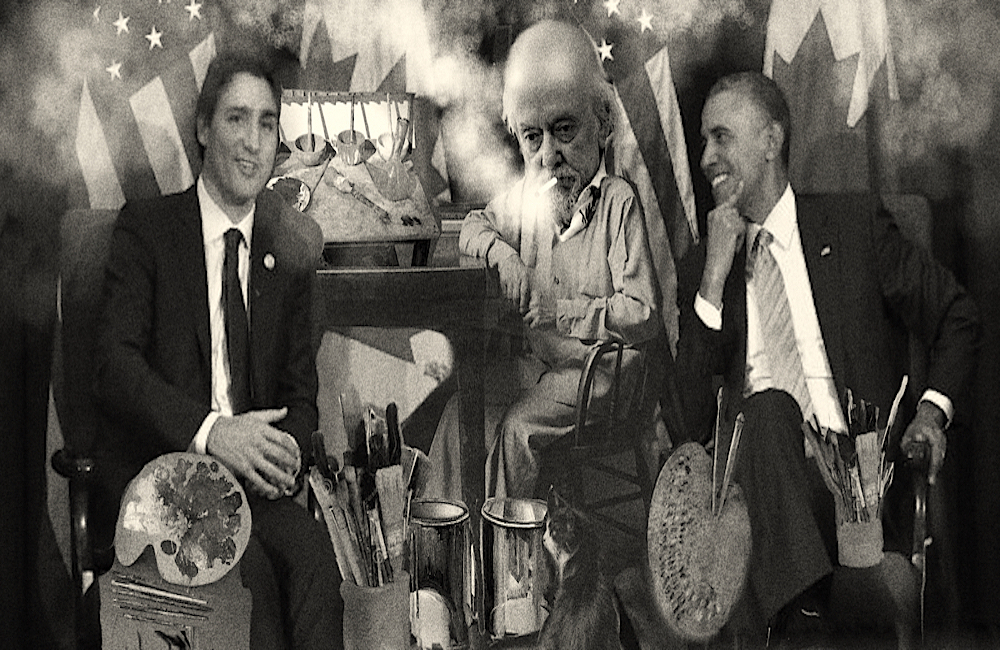
Also, it is a mistake to think that the subject matter of his magnificent canvases can be swayed by a mere donation to the ‘party till you drop party.’ Also, the only thing he ever talks about at those intimate yet noisy fundraisers is not what’s good for his bottom line but the eloquence of his painted line. So really, there’s no difference between elites and ordinary Great Dominion minions.
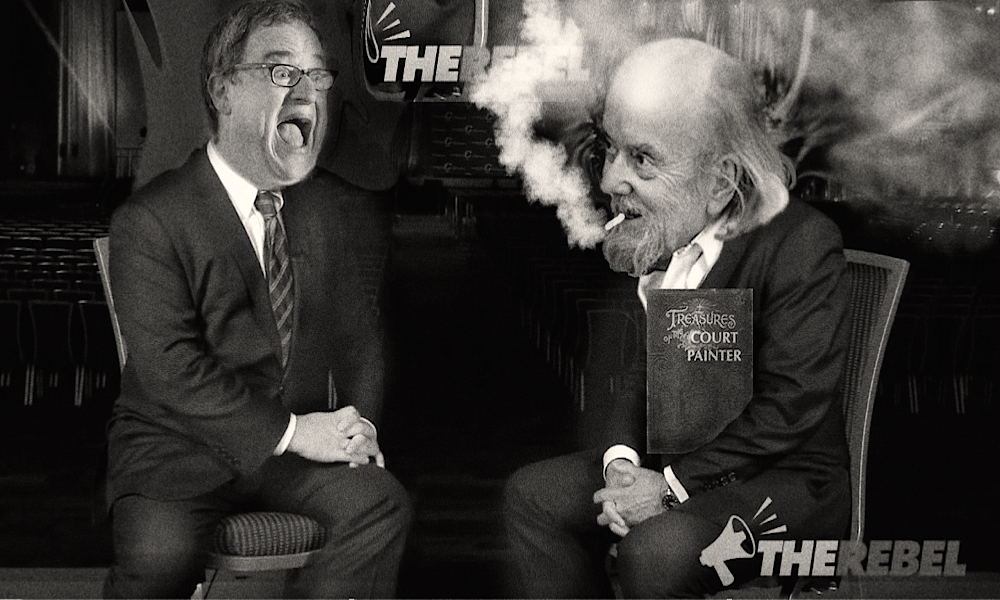
You can sleep tight citizens of the Great Dominion! All is above board in the Inglewood studio of the gregarious and aspiring free enterprise money grubber: Court Painter!